Car Electrical Problems: Which Cars, Recalls and Warning Signs
Which cars and model years draw the most electrical complaints to NHTSA, the ignition-switch, power-module and alternator recalls that match, the years with no recall, and the warning signs.
Key takeaways
- 233,680 owner complaints to NHTSA name the electrical system, 15.3% of all complaints, and the share is highest for the newest cars.
- Chrysler, Dodge and Jeep models dominate the worst model years: the 2008 and 2010 Town and Country, 2008 Grand Caravan, 2009–2010 Journey and 2005–2007 and 2011–2012 Grand Cherokee. For several of them, more than half of all complaints are electrical.
- The recalls that match are mostly for ignition switches that can turn the engine off, and for power-module relays and alternators that can make the vehicle stall. Several high-complaint years, including the 2013 Ford Edge and 2004 Chevrolet Trailblazer, have no electrical recall at all.
- 622 electrical recalls fix stalling or loss of drive power, covering 16.7 million vehicles. Check your VIN: the repair is free.
The cars with the most electrical problems reported to NHTSA are older Chrysler and Dodge minivans, the Dodge Journey and the Jeep Grand Cherokee. For the 2008 Chrysler Town and Country, nearly two-thirds of all owner complaints name the electrical system. Most guides to car electrical problems explain batteries, alternators and fuses. This one shows which models and years draw the most electrical complaints, which of them were recalled, and which faults are a safety defect rather than wear.
How common are electrical complaints?
NHTSA’s “electrical system” category covers batteries, alternators, wiring, ignition switches, power modules, lighting and, on newer cars, much of the software that runs them. It is the largest single category in the complaint file:
| Model year | Complaints naming it | All complaints | Share |
|---|---|---|---|
| 2008 | 12,036 | 63,555 | 18.9% |
| 2009 | 7,405 | 42,631 | 17.4% |
| 2010 | 7,693 | 49,326 | 15.6% |
| 2011 | 9,315 | 52,599 | 17.7% |
| 2012 | 9,446 | 52,754 | 17.9% |
| 2013 | 10,402 | 60,543 | 17.2% |
| 2014 | 8,877 | 54,325 | 16.3% |
| 2015 | 8,138 | 51,372 | 15.8% |
| 2016 | 8,069 | 50,596 | 15.9% |
| 2017 | 8,137 | 49,575 | 16.4% |
| 2018 | 8,168 | 47,071 | 17.4% |
| 2019 | 7,498 | 39,712 | 18.9% |
| 2020 | 5,644 | 28,897 | 19.5% |
| 2021 | 5,196 | 26,553 | 19.6% |
| 2022 | 5,367 | 24,253 | 22.1% |
| 2023 | 4,849 | 20,856 | 23.2% |
| 2024 | 3,987 | 15,624 | 25.5% |
| 2025 | 2,658 | 9,808 | 27.1% |
| 2026 | 639 | 3,137 | 20.4% |
One complaint can name several components. Recent model years are still collecting reports. Source: NHTSA owner complaints file, retrieved Oct 6, 2026; computed by PlainVIN.
The share has climbed with each generation of cars, which carry more modules, sensors and software than older ones. For the full ranking of problem areas, see the most common car problems, and for engines, cars with engine problems.
Cars with the most electrical complaints
| Model | Model years | Complaints naming it | Share of the model’s complaints |
|---|---|---|---|
| Jeep Grand Cherokee | 1988–2026 | 7,620 | 25.7% |
| Chrysler Town and Country | 1984–2016 | 5,216 | 38.4% |
| Chevrolet Malibu | 1997–2025 | 4,803 | 24.6% |
| Dodge Grand Caravan | 1989–2020 | 4,351 | 32.2% |
| Ford Focus | 1999–2018 | 4,341 | 19.6% |
| Honda Accord | 1981–2026 | 4,120 | 16.8% |
| Ford F-150 | 1982–2026 | 4,070 | 10.5% |
| Chevrolet Impala | 1981–2020 | 3,437 | 33.0% |
| Jeep Wrangler | 1987–2026 | 3,400 | 18.4% |
| Dodge Durango | 1998–2026 | 2,734 | 19.7% |
| Chevrolet Silverado 1500 | 1997–2026 | 2,726 | 15.0% |
| Ford Edge | 2004–2024 | 2,619 | 18.6% |
| Ford Escape | 2000–2026 | 2,520 | 9.2% |
| Honda CR-V | 1997–2026 | 2,501 | 15.6% |
| Chevrolet Trailblazer | 2000–2026 | 2,396 | 32.9% |
Counts of owner reports, not verified defects or rates; models that sold in larger numbers draw more complaints. The share compares with all complaints for that model over the same model years. Source: NHTSA owner complaints file, retrieved Oct 6, 2026; computed by PlainVIN.
Counts favor best-sellers, so look at the share column. The Chrysler Town and Country stands out, with more than a third of its complaints electrical, followed by the Chevrolet Impala, Chevrolet Trailblazer and Dodge Grand Caravan at about a third each, against about 15% across the whole file.
The worst model years, and which were recalled
| Vehicle | Complaints naming it | Share of that year’s complaints |
|---|---|---|
| 2000 Ford Focus | 1,343 | 36% |
| 2008 Chrysler Town and Country | 1,242 | 64% |
| 2010 Chrysler Town and Country | 978 | 63% |
| 2005 Jeep Grand Cherokee | 927 | 45% |
| 2013 Ford Edge | 854 | 35% |
| 2012 Jeep Grand Cherokee | 837 | 51% |
| 2008 Dodge Grand Caravan | 815 | 63% |
| 2009 Dodge Journey | 814 | 51% |
| 2011 Jeep Grand Cherokee | 780 | 48% |
| 2006 Jeep Grand Cherokee | 764 | 59% |
| 2015 Chrysler 200 | 754 | 38% |
| 2006 Jeep Commander | 753 | 42% |
| 2011 Ford Edge | 687 | 38% |
| 2004 Chevrolet Impala | 681 | 63% |
| 2007 Jeep Grand Cherokee | 658 | 59% |
Source: NHTSA owner complaints file, retrieved Oct 6, 2026; computed by PlainVIN.
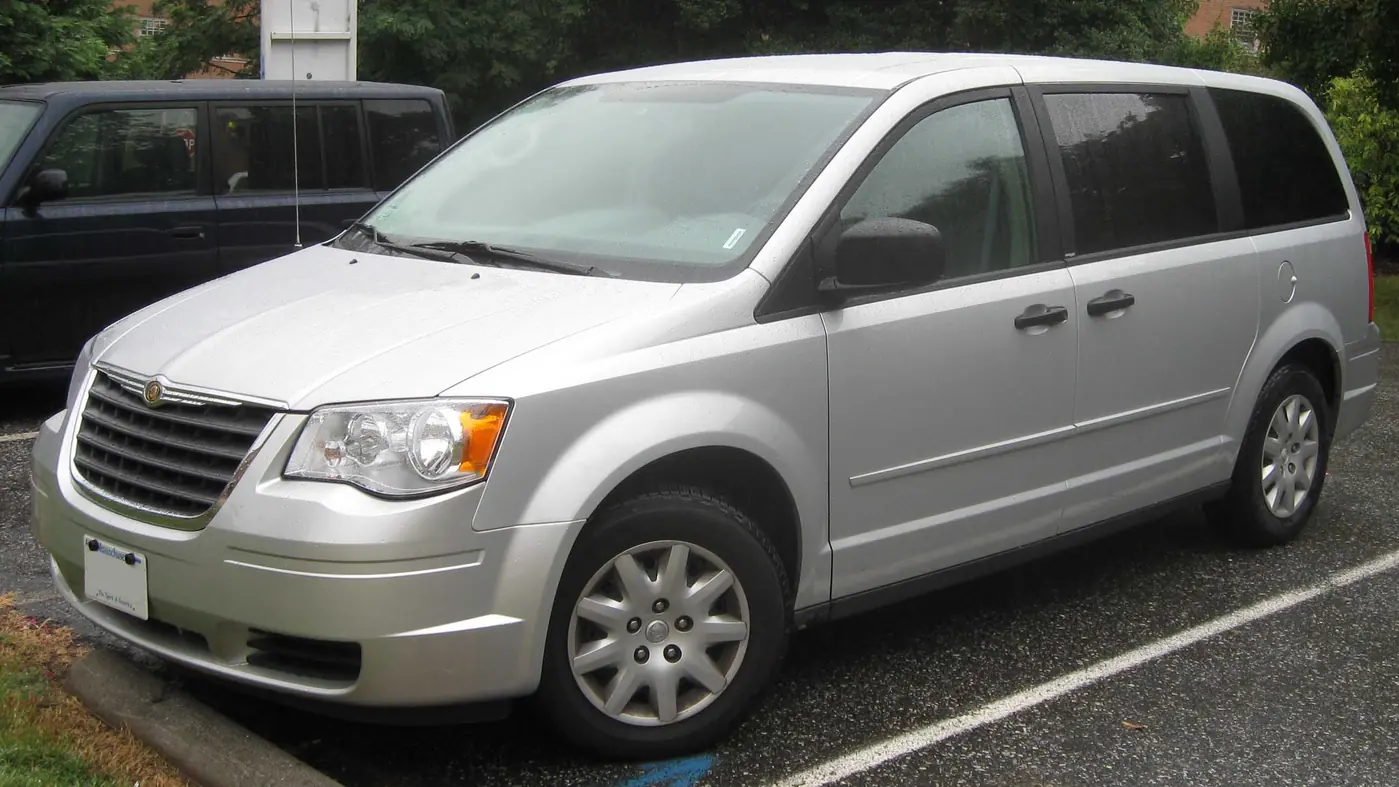
- Chrysler Town and Country and Dodge Grand Caravan 2008–2010, Dodge Journey 2009–2010: recalled in 2014 because the ignition key could move out of the run position and turn the engine off (14V373). About 58% of those vehicles are reported repaired. We found no recall for the power module or other electrical faults that would explain the rest of these years’ complaints.
- Jeep Grand Cherokee 2005–2007 and Jeep Commander 2006–2007: recalled in 2014 because the driver’s knee could knock the ignition key off (14V438). Only about half have been repaired.
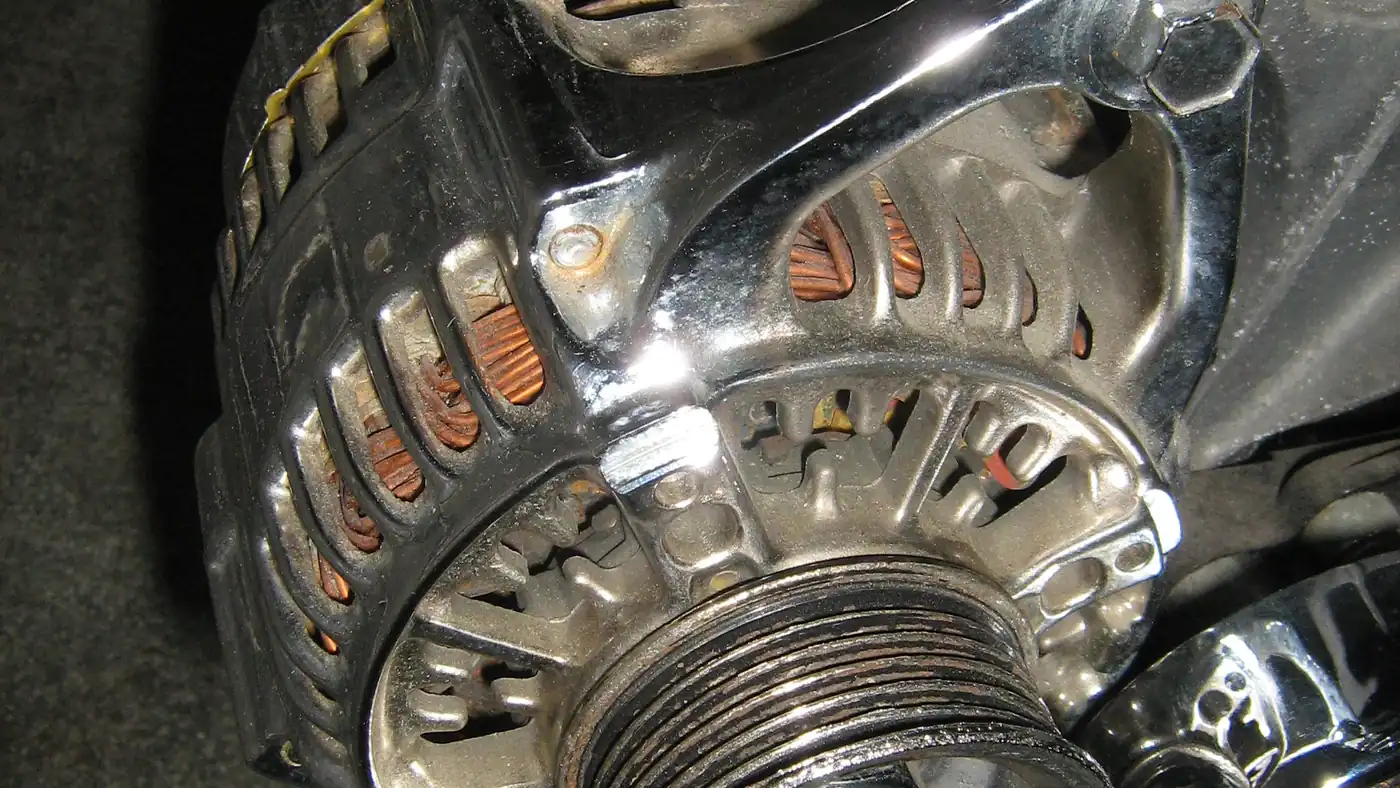
- Jeep Grand Cherokee and Dodge Durango 2011–2013: recalled three times because the fuel pump relay inside the power module (the TIPM) could fail and stall the engine (14V530, 15V115, and 19V813, which also covered vehicles already repaired). 2012–2014 Grand Cherokees, with 2011–2014 Chrysler 300, Dodge Charger, Challenger and Durango models, were also recalled for alternators that could fail and stall the engine (14V634, 17V435).
- Chevrolet Impala 2004: part of GM’s 2014 recall of about 5.9 million cars, including the 2000–2005 Impala and 1997–2003 Malibu, for ignition switches that could turn off (14V400). Only about 37% are reported repaired.
- Ford Edge 2011 and 2013, Chevrolet Trailblazer 2004: high electrical complaint counts, but no electrical recall for the 2013 Edge or the 2004 Trailblazer, and only a body control module recall of about 8,000 vehicles for the 2011 Edge.
Lighting control modules and relays are electrical faults too; see our headlight problems and recalls guide for the cars and years involved. Each model’s best and worst years page shows its problem areas year by year, and our guide to TSBs and recalls explains why many faults get a service bulletin rather than a recall.
Electrical recalls: stalls, fires and batteries
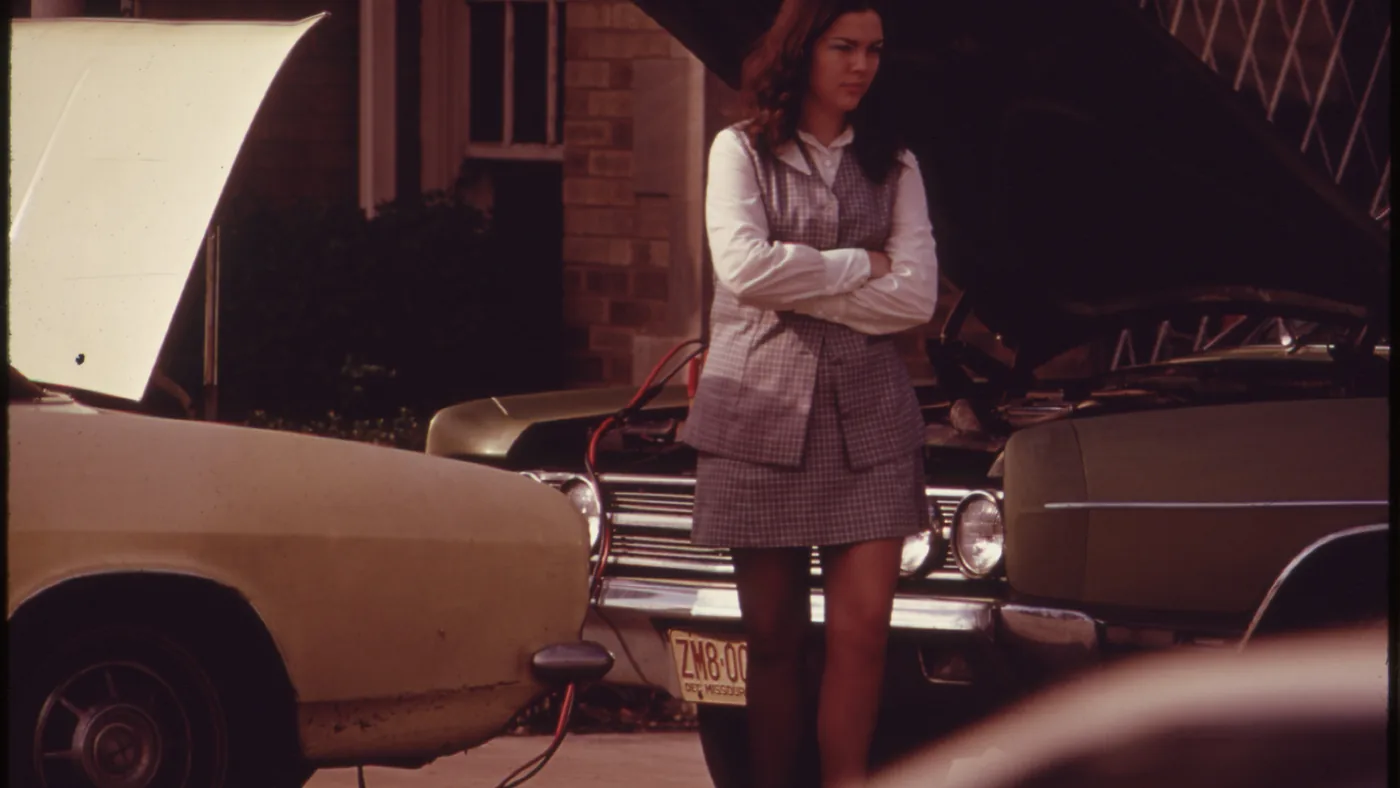
An electrical fault becomes a safety recall when it can stop the car, start a fire or disable safety equipment. The ignition-switch recalls are a clear example, because turning the engine off also turns off much more than the engine. NHTSA’s record for the minivan recall explains:
“If the ignition key inadvertently moves into the OFF or ACCESSORY position, the engine will turn off, which will then depower various key safety systems including but not limited to air bags, power steering, and power braking.”NHTSA recall record for Chrysler campaign 14V373, nhtsa.gov
Newer recalls more often involve the 12-volt battery and the software that manages it. In 2024 Ford recalled 2021–2024 Bronco Sport and 2022–2023 Maverick models because the control modules might not detect a low battery:
“An undetected low battery charge can result in a loss of electrical accessories such as hazard lights, or cause a loss of drive power, increasing the risk of a crash.”NHTSA recall record for Ford campaign 24V267, nhtsa.gov
| Filed | Vehicles (NHTSA wording) | Problem | Units | Repaired |
|---|---|---|---|---|
| Nov 2019 19V813000 | Certain 2011-2013 Dodge Durango and Jeep Grand Cherokee vehicles equipped with a 3.6, 5.7, or 6.4 liter engine and previously recalled under NHTSA Recall 14V530 or 15V115 | Fuel Pump Relay May Fail Resulting In a Stall | 528,594 | 59% |
| Apr 2021 21V264000 | Certain 2017-2019 Subaru Impreza and 2018-2019 Crosstrek vehicles | ECM Software May Cause Stall | 466,205 | 94% |
| Oct 2019 19V743000 | Certain 2017-2019 Impreza and 2018-2019 Crosstrek vehicles | ECM Software May Cause Stall | 466,205 | 93% |
| Apr 2024 24V267000 | Certain 2021-2024 Bronco Sport and 2022-2023 Maverick vehicles | Loss of Drive Power from Undetected Low Battery | 456,565 | 91% |
| Jul 2017 17V435000 | Certain model year 2011-2014 Dodge Challenger, Dodge Charger, Chrysler 300, Dodge Durango, and 2012-2014 Jeep Grand Cherokee vehicles | Alternator may Fail Resulting in Engine Stall | 442,214 | 70% |
| Dec 2019 19V888000 | Certain 2019-2020 Chevrolet Silverado 1500 and GMC Sierra 1500 trucks | Poor Alternator Connection may cause Crash or Fire | 350,371 | 95% |
| Jan 2025 25V031000 | Certain 2022-2025 Acura MDX Type-S, 2023-2025 Honda Pilot, and 2021-2025 Acura TLX Type-S vehicles | Engine Stall from Software Error | 294,612 | 94% |
| Jan 2025 25V019000 | Certain 2021-2023 Bronco Sport and 2022-2023 Maverick vehicles | Loss of Drive Power from Battery Failure | 272,817 | 78% |
| Nov 2025 25V785000 | Certain 2023-2025 Honda Accord Hybrid vehicles | Loss of Drive Power from Software Error | 256,603 | 78% |
| Nov 2018 18V773000 | Certain 2018 Subaru Legacy and Outback vehicles | Incorrect Fuel Range Display May Cause Stall | 228,648 | 93% |
Vehicle descriptions are NHTSA’s own summary wording; “repaired” is the share the manufacturer reports as fixed, and new campaigns start near zero. Source: NHTSA recalls file and US DOT completion data, retrieved Oct 6, 2026.
Fire is the other big group: shorted wiring, overheating switches and connectors, and batteries. In 2023 Toyota recalled 2013–2018 RAV4s because some replacement 12-volt batteries could move in the tray and short circuit (23V734). See car fire statistics and the park-outside recall list for fire recalls, and electric vehicle recalls for high-voltage battery problems.
Warning signs of an electrical fault
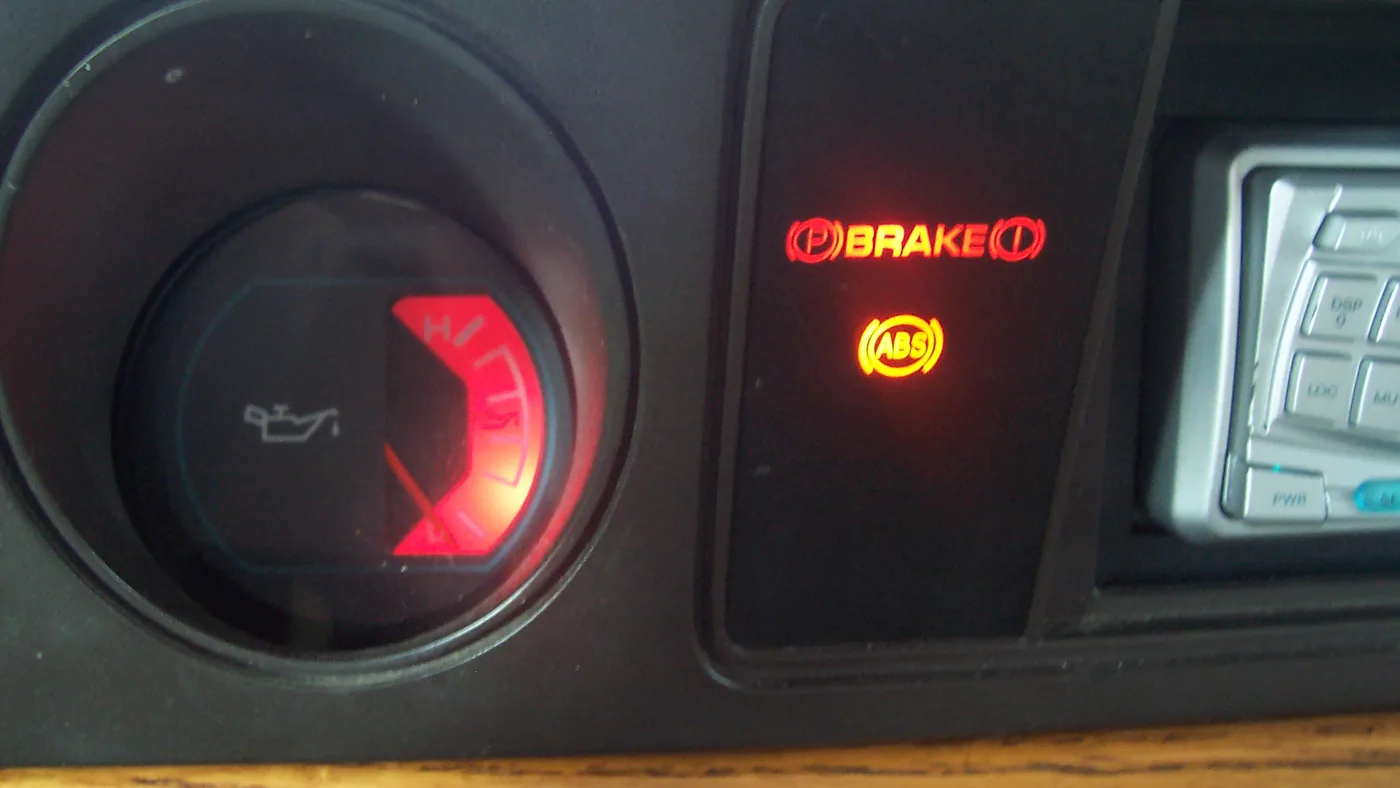
- the battery or charging warning light comes on while driving;
- headlights or dash lights dim or flicker, especially at idle;
- power windows, locks, wipers or the radio work on and off, or the dash resets;
- the engine stalls, or cranks but won’t start, with a battery that tests good;
- the same fuse keeps blowing;
- a smell of hot plastic or burning insulation.
A battery warning while driving means the car is running on battery power alone and may soon stop, so head somewhere safe and get it checked. A burning smell or smoke means stop, switch off and get out. If the car stalls or the lights fail while driving, report it to NHTSA: complaint patterns are how investigations start.
What to do
- Check for open recalls with your VIN. Ignition-switch, power-module and alternator recalls are free, and many older vehicles still have them open.
- Look up your model year’s complaints to see whether owners report the same symptom. Our VIN decoder links to the exact model year.
- Have the battery and charging system tested first. Many intermittent faults trace back to a weak battery or a poor ground connection.
- Ask about service bulletins if the fault isn’t covered by a recall; a known fix may already exist.
For recalls of the ignition switch and key themselves, including GM’s 2014 series, see our ignition switch and key recalls guide.
For the battery and its cables see our car battery recalls guide, and for window switches that overheat see our power window recalls guide.
For recalls of the starter and alternator see our starter and alternator recalls guide, and for dashboard displays that go blank our instrument cluster recalls guide.
For the cooling side of engine fires see our water pump and cooling system recalls guide.
Complaint and recall figures are PlainVIN’s analysis of NHTSA’s files and update when we refresh the data; complaints are owner reports, not verified defects. This guide is general information, not repair advice.
Frequently asked questions
Which car brand has the most electrical problems?
In NHTSA’s complaint file, Chrysler, Dodge and Jeep models fill most of the worst model years for electrical complaints: the 2008 and 2010 Chrysler Town and Country, 2008 Dodge Grand Caravan, 2009–2010 Dodge Journey and several Jeep Grand Cherokee years. Counts also reflect how many of each model were sold.
What is the most common electrical problem in cars?
Batteries, alternators, fuses and wiring are the everyday causes. The electrical faults most often recalled are ignition switches that can turn the engine off, power-module relays and alternators that can stall the engine, and wiring or connectors that can overheat and start a fire.
Was there a recall for the Jeep Grand Cherokee TIPM?
Yes, for the fuel pump relay inside the power module on 2011–2013 Grand Cherokee and Dodge Durango models, which could fail and stall the engine. It was recalled in 2014 (2011 models), 2015 (2012–2013) and again in 2019 (14V530, 15V115, 19V813). Check your VIN for an open recall.
Is there an ignition switch recall for Chrysler minivans?
Yes. In 2014 Chrysler recalled the 2008–2010 Town and Country and Grand Caravan and the 2009–2010 Dodge Journey because the ignition key could move to OFF or ACCESSORY while driving, turning off the engine and depowering the air bags, power steering and power brakes (14V373).
Can a bad battery cause a car to stall?
Yes. If the alternator fails, the car runs on the battery until it is drained, then stalls. Several recalls cover alternators that could fail, and Ford recalled some Bronco Sport and Maverick models because an undetected low battery could cause a loss of drive power.
Is it worth fixing electrical problems in a car?
Usually, yes: many faults come down to a battery, ground connection, fuse or a single module. Check first whether a recall covers the fault, because recall repairs are free, and ask about service bulletins.
How do I check if my car has an electrical recall?
Enter the 17-character VIN at nhtsa.gov/recalls or on the automaker’s owner site or app.
About the PlainVIN Recalls & Safety Desk
This desk covers recall campaigns and completion rates, owner complaints filed with NHTSA, and NHTSA 5-Star Safety Ratings.
Every figure in this guide links to its primary source. See our editorial policy, how we use AI and corrections log.
How this page was madeSources, processing, limits, review and changes
Data sources
- NHTSA owner complaints file (component: electrical system) and recalls file, including campaigns 14V373, 14V438, 14V530, 15V115, 19V813, 14V634, 17V435, 14V400, 11V128, 24V267 and 23V734
Retrieved Oct 6, 2026 - NHTSA recall record, Chrysler campaign 14V373
nhtsa.gov - NHTSA recall record, Ford campaign 24V267
nhtsa.gov
Processing
- Complaints are counted per component. One complaint can list several, so component totals add up to more than the total.
- Fuel cost = miles per year ÷ EPA combined mpg × EIA weekly price for your region.
Limitations
- Complaint counts are owner reports, not verified findings or failure rates. There is no sales denominator.
- Recall campaigns are listed for the model year. Only NHTSA and the automaker know whether a specific car was repaired.
- Recent model years are still collecting reports.
Review
Researched by Daniel B. and Olivia C., technical check by Ethan B., edited by Sophia M. (see the editorial team page). Drafted with AI assistance and checked against primary sources by the Recalls & Safety desk.
Changelog
- 2026-10-06 Data refreshed from the official files.
Keep reading