Alternator Recalls and Starter Recalls: Stalls and Fires
45 car recalls cover the starter or alternator. See Chrysler’s alternator stall recalls, BMW and Hyundai starter fires, park-outside notices and what to do.
Key takeaways
- NHTSA’s file holds 118 alternator, generator or voltage-regulator recalls and 53 starter recalls. Only 45 of them cover cars, SUVs, pickups and vans in our catalog (about 4.6 million vehicles, with overlap); the rest are trucks, buses, motorcycles and motor homes.
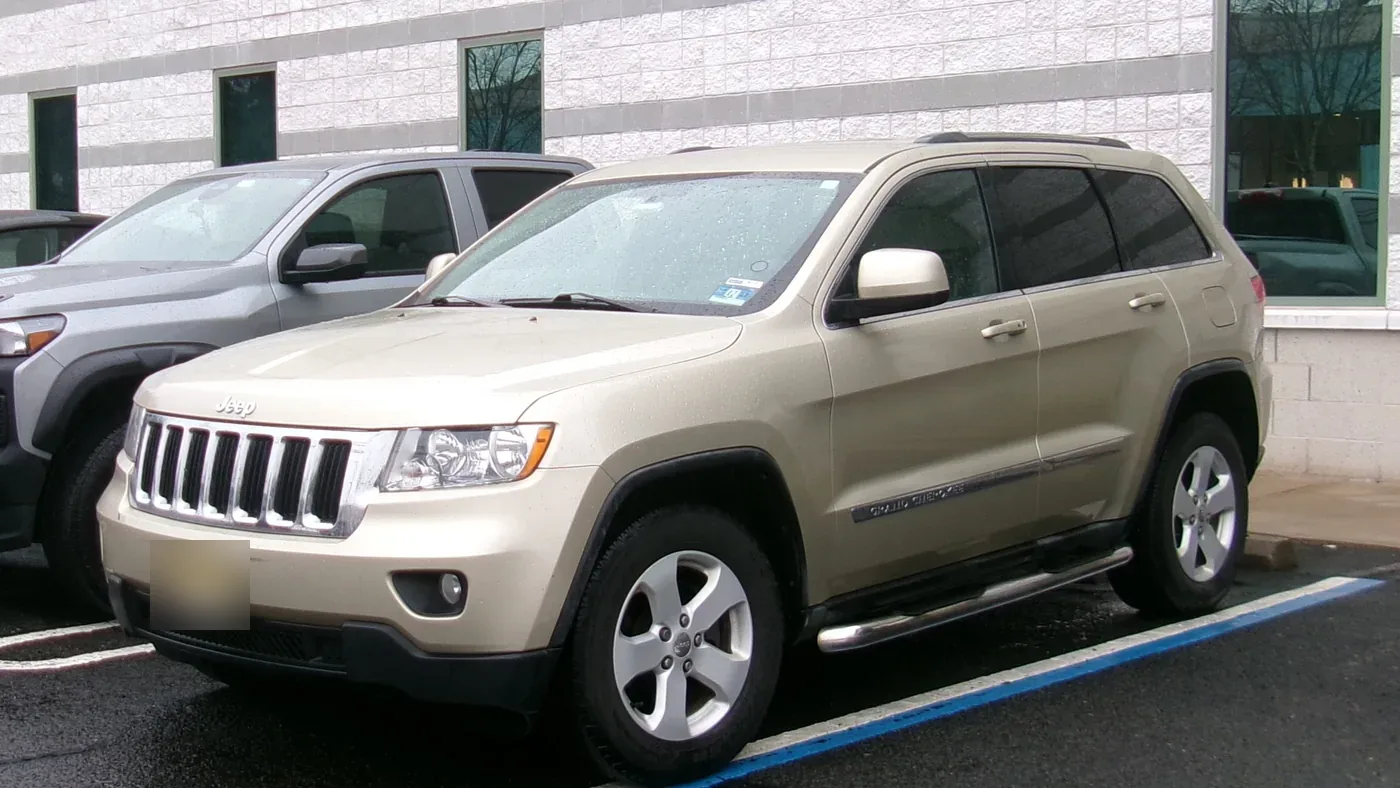
- The biggest alternator recalls are Chrysler’s: three campaigns for 2011–2014 Chrysler 300, Dodge Charger, Challenger, Durango and 2012–2014 Jeep Grand Cherokee models whose alternator “may suddenly fail” and stall the engine (14V634, 17V435, 17V741). About 263,000 notices across Chrysler’s four alternator recalls are still unrepaired.
- Starter recalls are mostly recent and about fire. BMW filed five recalls from 2024 to 2026 for car starters that can overheat or catch fire (two also cover the Toyota Supra), and one of them recalls cars already repaired under an earlier one. About 212,000 notices in the four with repair data are not yet fixed.
- Three starter recalls tell owners to park outside until the repair is done: BMW 25V636 and 26V441 and Hyundai/Genesis 24V107. Check your VIN at nhtsa.gov/recalls: all repairs are free.
An alternator recall usually means the alternator can fail suddenly and the engine can stall once the battery runs down, while a starter recall today usually means the starter or its relay can overheat and start a fire. This guide compares every car starter and alternator recall in NHTSA’s file: what failed, which models, the repair rates, and the cases where a first repair was not enough.
Starter and alternator recalls: the big picture
Both NHTSA groups are wider than passenger cars, so we read every record. Of the alternator recalls, 29 cover a car, SUV, pickup or van in our catalog (2.6 million vehicles); the rest are buses, heavy trucks, motor homes and motorcycles, and at least 10 are not about a charging alternator at all (motor-home generators, fire-truck generator pumps, a kickstand). Of the starter recalls, 18 cover cars (about 2 million vehicles), counting BMW’s 2026 plug-in hybrid recall 26V441, which is not yet linked to our model pages; three crankshaft-sensor recalls filed under the starter are left out. Two recalls are in both groups, so the total is 45.
The two groups have different histories. Alternator recalls for cars are mostly older: 26 of the 29 were filed before 2020. Starter recalls are the reverse: 11 of the 18 were filed in 2020 or later, nearly all of them about overheating or fire.
Alternators that fail and stall the engine
When an alternator stops charging, the car runs on the battery until the voltage drops, then it can lose steering assist, brake and stability systems, and finally the engine. We count 12 car alternator recalls whose record names a stall or the engine stopping (1.4 million vehicles, with overlap).
Chrysler’s 3.6-liter V6 alternators. The largest alternator story in NHTSA’s file began with owner complaints. In July 2014 NHTSA opened a preliminary evaluation (PE14-022) after 14 complaints of alternator failure and engine stall in 2011–2012 Dodge Chargers; with Chrysler’s own reports, it counted 146 such incidents. Chrysler then told NHTSA why the part fails:
“the silicone diodes in the alternator rectifier bridge may experience thermal fatigue due to cyclic loading from the Electric Hydraulic Power Steering (EHPS) system, eventually resulting in no output, reduced output, or a fully shorted to ground condition.”NHTSA Office of Defects Investigation, PE14-022 closing resume, reporting Chrysler’s explanation, November 2014
NHTSA closed the probe when Chrysler recalled the cars, and the recall did not end there. Each campaign below says the alternator “may suddenly fail” and the vehicle “may stall without warning”:
| Recall | Vehicles (NHTSA wording) | What it covers | Units | Repaired |
|---|---|---|---|---|
| 14V634 (Oct 2014) | 2011–2014 Chrysler 300, Dodge Charger, Challenger, Durango; 2012–2014 Jeep Grand Cherokee | 3.6L engine, 160 amp alternator, built Apr 22, 2010 to Jan 2, 2014; alternator replaced | 435,081 | 77% |
| 17V435 (Jul 2017) | Same five models and years | Electro-hydraulic power steering, 5.7L or 3.6L engine, 160, 180 or 220 amp alternator; inspected, replaced by part number; record adds a fire risk | 442,214 | 70% |
| 17V741 (Nov 2017) | 2014 Challenger, Charger, Durango, 300, Grand Cherokee | 3.6L, 160 amp alternator; built Jan 2 to Feb 14, 2014, right after the 14V634 range ends | 17,116 | 64% |
| 16V739 (Oct 2016) | 2011–2014 Charger Police; 2007–2013 Ram 3500, 4500, 5500 Cab Chassis; 2013 Ram 2500, 3500 | 220 amp alternator; replaced with a revised alternator; stall or fire | 74,811 | 67% |
Source: NHTSA recalls file and US DOT completion data, retrieved Oct 6, 2026; build dates from NHTSA’s vehicle lists for each campaign; compiled by PlainVIN. The campaigns cover some of the same models and years, so a car can be in more than one; units are not additive.
Together these four leave an estimated 263,000 recall notices not reported repaired. PE14-022 notes that 98 complaints mentioned fire or smoke, but found no damage beyond the alternator assembly. For the 2014 Grand Cherokee there is a fifth campaign: 13V483 (90,981 vehicles, 93% repaired) fixed loose alternator ground wires and a computer communication fault that could switch off the anti-lock brakes and stability control. Our Dodge Charger and Jeep Grand Cherokee pages show every recall by model year.
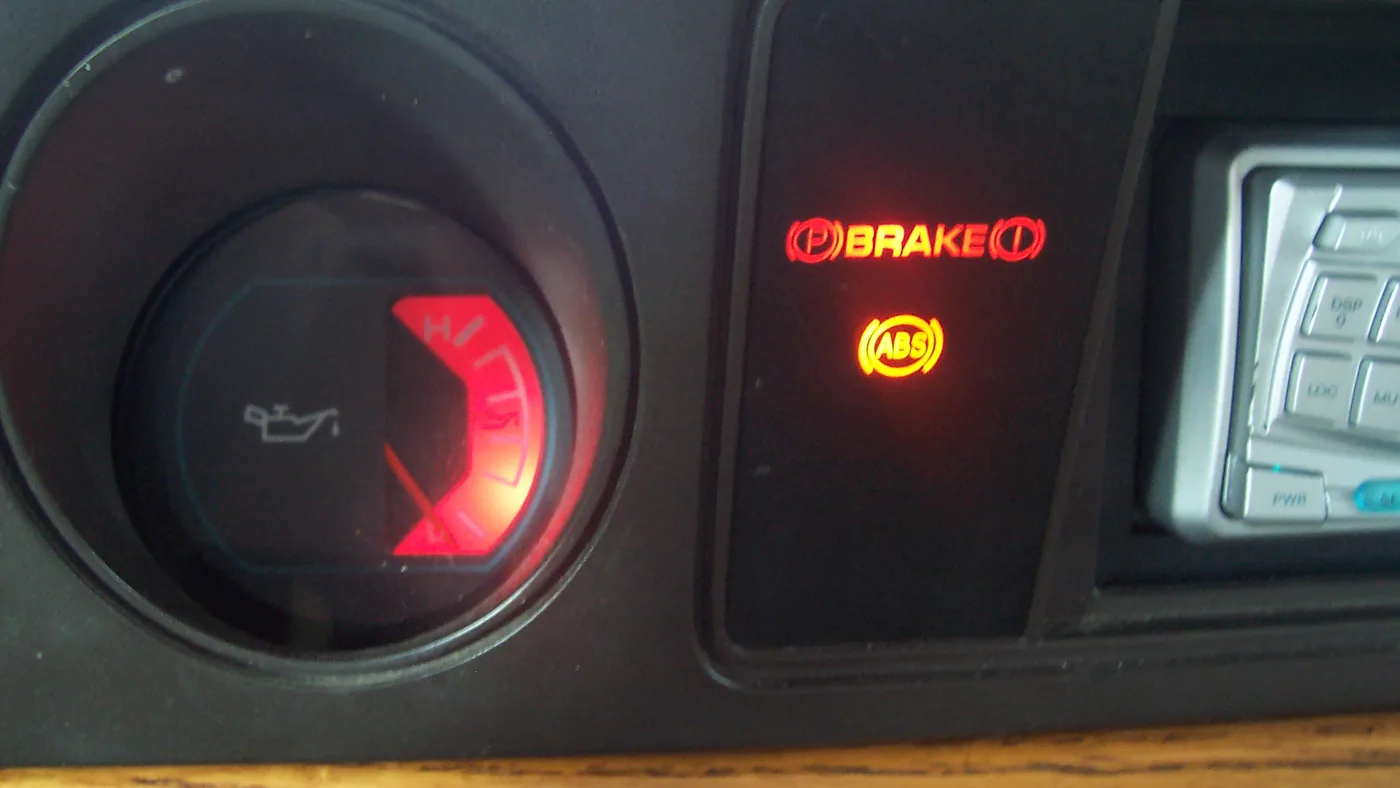
Other alternator stall recalls. Nissan’s 2005 recall of 2003–2005 Murano SUVs (05V319, 125,466 vehicles) gives the clearest description of the warning signs. A wire breaking inside the alternator can stop the battery charging; the charge and brake warning lamps come on, the battery discharges, the engine goes into a fail-safe mode that limits speed, and then it stops. Nissan’s 2019 recall of 2017–2019 Titan pickups (19V495, 91,319, 83% repaired) says the alternator harness may have been damaged when the engine was installed, and a short may stall the engine or cause a fire. Kia’s 2023 Sportage recall (22V651, 19,701, 97% repaired) is for a loose alternator battery terminal nut, which can cause a stall or an electrical surge.
Alternator and charging-wire fires
Seventeen car alternator recalls name a fire risk, 1.5 million vehicles with overlap, and most are about a connection rather than the alternator itself. The heavy output cable runs from the alternator to the battery or a fuse box, and when its nut or clamp is loose it can arc:
- Chrysler pickups, 1990s–2000s. Recalls 95V237, 98V019 and 02V042 (268,740 2001 Ram pickups) describe the generator cable or fuse loosening at the power distribution center, with arcing and a possible engine compartment fire.
- Kia Sedona 2020 (20V399, 5,385). The alternator B+ terminal nut may not have been tightened properly, and arcing may result.
A few describe a fire with the engine off. GM’s 1999 recall of 1998–1999 Cadillac Seville (99V070) says a short “can develop in the generator, even when the engine is off”, and its 1993 Saturn recall (93V132, 352,833 cars) warns of an underhood fire “with or without the engine running”. Nissan and Infiniti replaced alternators on 1997–1998 Maxima, I30 and Q45 models (02V171, 161,000) because a damaged diode could melt the plastic housing. None of these older records carries NHTSA’s park-outside flag. For fires in general see our car fire statistics.
Starters that overheat or catch fire
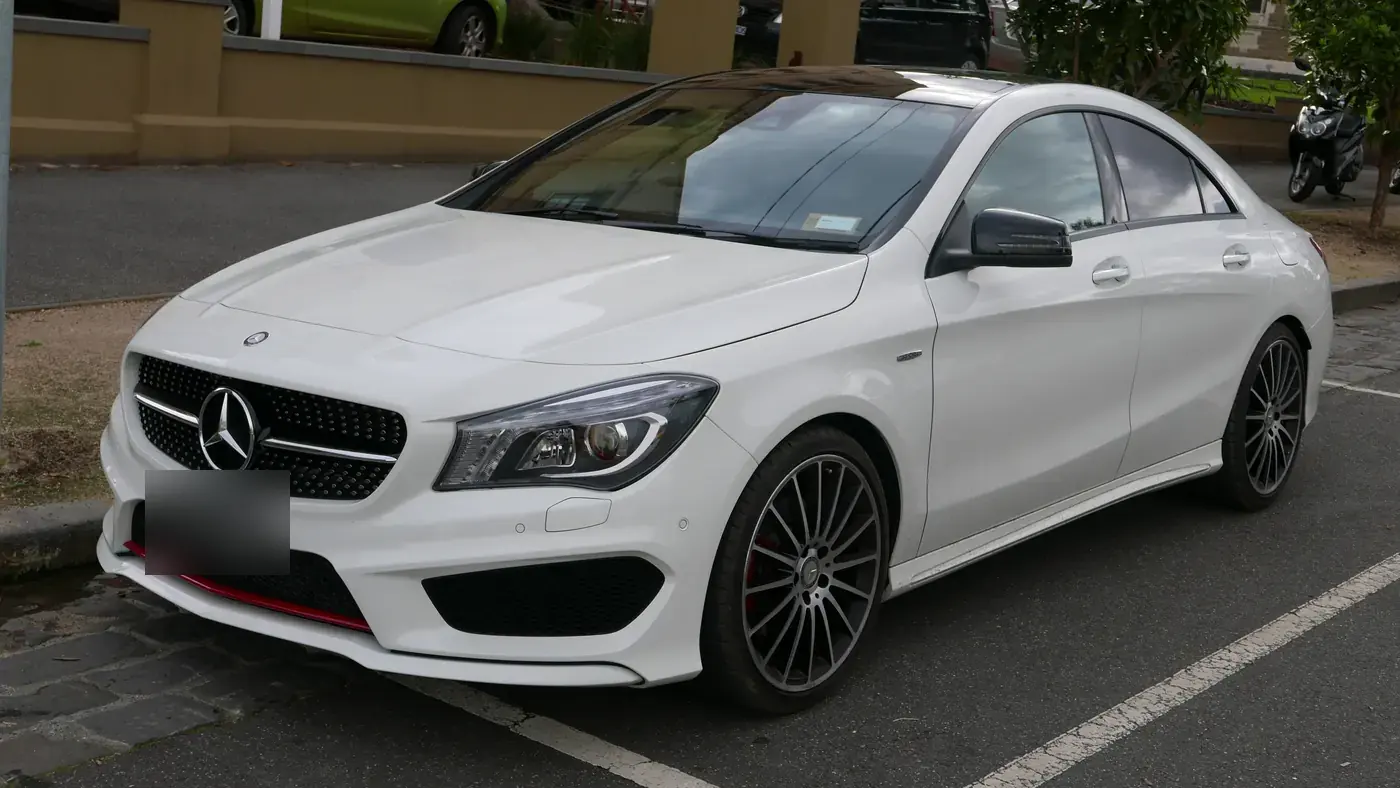
A starter draws a very large current for a few seconds. If it keeps drawing it, because the engine will not turn over or a relay sticks, it heats up. Of the 18 car starter recalls, 16 name a fire risk, about 1.9 million vehicles with overlap. Several are about what happens when the driver keeps trying to start the car. Mercedes-Benz recalled 307,629 2015–2017 C-Class, CLA, E-Class, GLA and GLC models in 2017:
“In the event that the engine or transmission cannot turn over, the starting current limiter may overheat from the repeated attempts of the starter motor attempting to start the vehicle.”NHTSA recall record 17V114, Mercedes-Benz, nhtsa.gov
Dealers fit an extra fuse in the starter line; 99% are reported repaired.
Hyundai has two starter fire recalls with different causes. In 2024 it recalled 90,907 2015–2016 Genesis, 2017–2019 Genesis G80 and G90 and 2019 G70 sedans (24V107) because water may enter the starter solenoid and short, which “can result in an engine compartment fire while parked or driving”; dealers install a relay kit in the engine junction box, and 70% are reported repaired. Its 2025 recall of 135,386 2024–2025 Santa Fe SUVs (25V659) is about a crash: the B+ terminal cover on the starter may be installed improperly and can short in a crash. Dealers inspect and reinstall the cover; 87% are reported repaired.
| Filed | Vehicles (NHTSA wording) | Problem | Units | Repaired |
|---|---|---|---|---|
| Feb 2017 17V114000 | Certain 2015-2017 C300 4Matic, C300, CLA250, CLA250 4Matic and CLA45 AMG vehicles, 2017 C300 4Matic Cabrio, C300 4Matic Coupe, C300 Cabrio, C300 Coupe, E300, E300 4Matic and others | Starting Current Limiter may Overheat | 307,629 | 99% |
| Sep 2025 25V636000 | Certain 2019-2021 BMW 330i, 2019-2022 BMW Z4, 2020-2022 BMW 530i, X3, X4, Toyota Supra, 2021-2022 BMW 430i, 430i Convertible, and 2022 BMW 230i vehicles | Engine Starter May Corrode and Overheat | 199,674 | 60% |
| Sep 2025 25V644000 | Certain 2020 340I, X6, 2020-2025 840I, 2020-2022 740LI, 2019-2020 X7, and X5 vehicles | Starter Motor May Fail and Overheat | 145,102 | 59% |
| Oct 2025 25V659000 | Certain 2024-2025 Santa Fe vehicles | Fire Risk from Improper Starter Motor Wiring | 135,386 | 87% |
| Sep 2017 17V609000 | Certain 2015-2017 Outlander, 2015-2016 Lancer and Outlander Sport, and 2015 Lancer Evolution vehicles | Engine may Stall or Overheat | 132,552 | 71% |
| Aug 2024 24V576000 | Certain 2019-2020 X5, X7, 2020 3 Series Sedan, X6, 2020-2021 7 Series Sedan, 2020 8 Series Convertible, 8 Series Coupe, and 2020 8 Series Gran Coupe vehicles | Starter Motor May Fail and Overheat | 105,588 | 87% |
| Feb 2024 24V107000 | Certain 2015-2016 Genesis, 2017-2019 Genesis G80, Genesis G90, and 2019 Genesis G70 vehicles | Water Damage to Starter Solenoid May Cause Fire | 90,907 | 70% |
| Jan 2026 26V056000 | Certain 2021-2023 Toyota Supra, 2022-2023 2 Series Coupe, 2021-2024 5 Series (xDrive), 2021-2022 Z4, 2022-2024 4 Series (Gran Coupe) and others | Starter Motor May Overheat and Cause a Fire | 87,394 | 32% |
| Mar 2020 20V153000 | Certain 2019-2020 Audi A6 vehicles equipped with mild-hybrid technology and 2.0TFSI engines | Moisture May Enter Starter Generator | 5,471 | 99% |
| Apr 2025 25V202000 | Certain 2025 330i, 330i xDrive, 530i, 530i xDrive, 4 Series Coupe (430i, 430i xDrive), 4 Series Convertible (430i, 430i xDrive), 4 Series Gran Coupe (430i and others | Starter-Generator Electrical Connection May Fail | 4,557 | 97% |
| Mar 2016 16V181000 | Certain 2016 Frontier V6 vehicles manufactured February 29, 2016, to March 7, 2016 | Starter Motor Wire Harness may Short | 1,554 | 99% |
| Aug 2020 20V467000 | Certain 2020 F-150 vehicles | Power Supply Cable Incorrectly Attached to Starter | 431 | 100% |
Vehicle descriptions are NHTSA’s own summary wording; “repaired” is the share the manufacturer reports as fixed, and new campaigns start near zero. Source: NHTSA recalls file and US DOT completion data, retrieved Oct 6, 2026.
BMW’s chain of starter recalls
Read in order, BMW’s starter records describe a fix that did not hold, a second cause and an expansion:
- 24V576 (August 2024, 105,588 vehicles). 2019–2020 X5, X7, 2020 3 Series, X6, 2020–2021 7 Series and 2020 8 Series. If the starter fails, repeated attempts to start the car can overload and overheat it. The remedy was a software update; 87% are reported repaired.
- 25V644 (September 2025, 145,102). 2020 340i, X6, 2020–2025 840i, 2020–2022 740Li, 2019–2020 X7 and X5, same failure. This time dealers replace the starter, and the record says it includes vehicles repaired under 24V576, whose owners need the repair again. 59% are reported repaired.
- 25V636 (September 2025, 199,674). 2019–2021 330i, 2019–2022 Z4, 2020–2022 530i, X3, X4 and Toyota Supra, 2021–2022 430i and 2022 230i. A different cause: the starter relay may corrode, overheat and short circuit. Owners are told to park outside; 60% are reported repaired.
- 26V056 (January 2026, 87,394). 2021–2024 3 Series, 4 Series (some body styles to 2023), 5 Series xDrive and X3, 2021–2023 X4 and Supra, 2022–2023 2 Series Coupe and 2021–2022 Z4: the starter may overheat and catch fire “due to wear on an internal component”. Letters went out in July 2026, and 32% are reported repaired so far.
- 26V441 (July 2026, 29,119). The relay corrosion of 25V636 again, now in plug-in hybrids: 2016–2018 330e, 2018–2020 530e and 2017–2019 740Le xDrive. Park outside; letters were mailed September 30, 2026, so no repair rate is reported yet.
BMW filed 25V636 and 26V056 for the Toyota Supra as well, and the 26V056 record gives Toyota’s customer-service number too. A 2021–2022 X3, X4, Z4, 430i, 530i or Supra, or a 2021 330i, may be in both. Across the four campaigns with repair data, about 212,000 recall notices are not yet reported repaired. See our BMW recalls page for every campaign.
When the recall is about a car that won’t start
A car that won’t start is almost always a worn battery, starter or connection, not a recall. A few records do name a no-start: Toyota’s 1998 recall of 1995–1997 Lexus LS400 and SC400 (98V016) says road splash with de-icing salt can short the starter’s magnetic switch, causing “a starter motor no-start condition or an underhood fire”, and Volvo’s 2005 recall of 2005 S80 and XC90 (05V529) says a battery terminal touching the starter solenoid may short, so the car may not start and smoke may appear.
The Mercedes and BMW records add a practical point: their fire risk comes from repeated attempts to start the car. If a car under one of these recalls won’t start, stop cranking and call the dealer. GM’s 2000 recall of 1994–1995 Skylark, Grand Am and Achieva models (00V287, 699,617) warns that holding the key in “start” when the starter fails to engage can melt the ignition switch. Our ignition switch recalls guide covers GM’s later switch recalls, and the car battery recalls guide covers battery and cable faults that cut power.
Which ones say park outside
Three car recalls in these two groups carry NHTSA’s park-outside flag, all starter recalls: BMW 25V636 and 26V441 and Hyundai/Genesis 24V107. NHTSA’s BMW record states it plainly:
“Owners are advised to park their vehicles outside and away from structures until the remedy is complete.”NHTSA recall record 25V636, BMW, nhtsa.gov
The other starter fire recalls and all car alternator recalls do not carry the flag, and none in either group is flagged do-not-drive. Our park-outside recall list covers every component.
What to do if your car has one
- Check your VIN at nhtsa.gov/recalls or with our VIN decoder. Model names are not enough: Chrysler’s recalls depend on the engine and alternator size, and BMW’s on build dates.
- Park outside if the notice says so, until the repair is done.
- Don’t keep cranking a recalled car that won’t start; call the dealer.
- Ask whether a later recall applies. BMW 25V644 recalls cars already repaired under 24V576, and Chrysler filed three campaigns for the same alternator. A service bulletin is not a recall.
- Report a stall or a burning smell in a complaint to NHTSA. The Chrysler recall started with 14 complaints.
Our car electrical problems guide lists the warning signs of a charging fault and the models with the most complaints.
Recall figures are PlainVIN’s analysis of NHTSA’s files and update when we refresh the data. “Reported repaired” is the automaker’s figure; recalls filed in 2026 usually have little or none yet. Car-only counts, and the stall, fire and park-outside counts, are PlainVIN’s own reading of each record; a recall can be in more than one group and vehicles overlap. This guide is general information, not mechanical advice for a specific vehicle.
Frequently asked questions
Which cars have an alternator recall?
The largest are Chrysler’s recalls of 2011–2014 Chrysler 300, Dodge Charger, Challenger and Durango and 2012–2014 Jeep Grand Cherokee models (14V634, 17V435, 17V741), whose alternator may suddenly fail and stall the engine. Others include 2017–2019 Nissan Titan (19V495), 2003–2005 Nissan Murano (05V319) and 2023 Kia Sportage (22V651).
Can a bad alternator make the engine stall?
Yes. When the alternator stops charging, the car runs on the battery until the voltage drops, and NHTSA’s records describe a stall without warning. Nissan’s Murano recall says the charge and brake warning lamps come on first.
Which starter recalls are a fire risk?
BMW’s 24V576, 25V636, 25V644, 26V056 and 26V441, Hyundai/Genesis 24V107 and 25V659 and Mercedes-Benz 17V114 all say the starter, its relay or its wiring can overheat or short and increase the risk of a fire.
Do I need to park outside for a starter recall?
Only if the notice says so. BMW 25V636 and 26V441 and Hyundai/Genesis 24V107 tell owners to park outside and away from structures until the repair is done; the other starter and alternator recalls do not.
My BMW was already repaired. Can it be recalled again?
Yes. BMW’s 2025 recall 25V644 includes vehicles repaired under 24V576, which only updated the software; dealers now replace the starter. Check your VIN even if a dealer did a recall repair before.
Should I keep trying to start a car that won’t start?
Not if it is under one of these recalls. The Mercedes and BMW records say repeated attempts to start the car can overheat the starter or current limiter, so stop and call the dealer.
About the PlainVIN Recalls & Safety Desk
This desk covers recall campaigns and completion rates, owner complaints filed with NHTSA, and NHTSA 5-Star Safety Ratings.
Every figure in this guide links to its primary source. See our editorial policy, how we use AI and corrections log.
How this page was madeSources, processing, limits, review and changes
Data sources
- NHTSA recalls file, including campaigns 00V287, 02V042, 02V171, 05V319, 05V529, 13V483, 14V173, 14V634, 16V739, 17V114, 17V435, 17V609, 17V741, 18V548, 19V495, 20V399, 22V651, 24V107, 24V576, 25V202, 25V636, 25V644, 25V659, 26V056, 26V441, 93V132, 94V223, 95V237, 98V016, 98V019 and 99V070
Retrieved Oct 6, 2026 - NHTSA Office of Defects Investigation, PE14-022 closing resume (alternator failure, 2011–2012 Dodge Charger)
static.nhtsa.gov, November 2014 - NHTSA recall record, Mercedes-Benz campaign 17V114
nhtsa.gov - NHTSA recall record, BMW campaign 25V636
nhtsa.gov - NHTSA recall record, Chrysler campaign 14V634
nhtsa.gov - NHTSA recall record, BMW campaign 25V644
nhtsa.gov - NHTSA, Report a Safety Problem
nhtsa.gov
Processing
- Complaints are counted per component. One complaint can list several, so component totals add up to more than the total.
- Fuel cost = miles per year ÷ EPA combined mpg × EIA weekly price for your region.
Limitations
- Complaint counts are owner reports, not verified findings or failure rates. There is no sales denominator.
- Recall campaigns are listed for the model year. Only NHTSA and the automaker know whether a specific car was repaired.
- Recent model years are still collecting reports.
Review
Researched by Daniel B. and Olivia C., technical check by Ethan B., edited by Sophia M. (see the editorial team page). Drafted with AI assistance and checked against primary sources by the Recalls & Safety desk.
Changelog
- 2026-10-06 Data refreshed from the official files.
Keep reading