Car Battery Recalls: Shorts, Cables and Stalling Risks
336 NHTSA recalls involve the car battery or its cables. See Toyota’s RAV4 and Honda’s Accord, BMW cable recalls, hybrid and EV 12V faults and what to do.
Key takeaways
- NHTSA’s file holds 336 recalls filed under the 12V/24V/48V battery component, covering 7.7 million vehicles (with overlap), 68% reported repaired. Only 77 of them cover cars, SUVs, pickups or vans in our catalog; the rest are trucks, buses, motor homes, motorcycles and equipment.
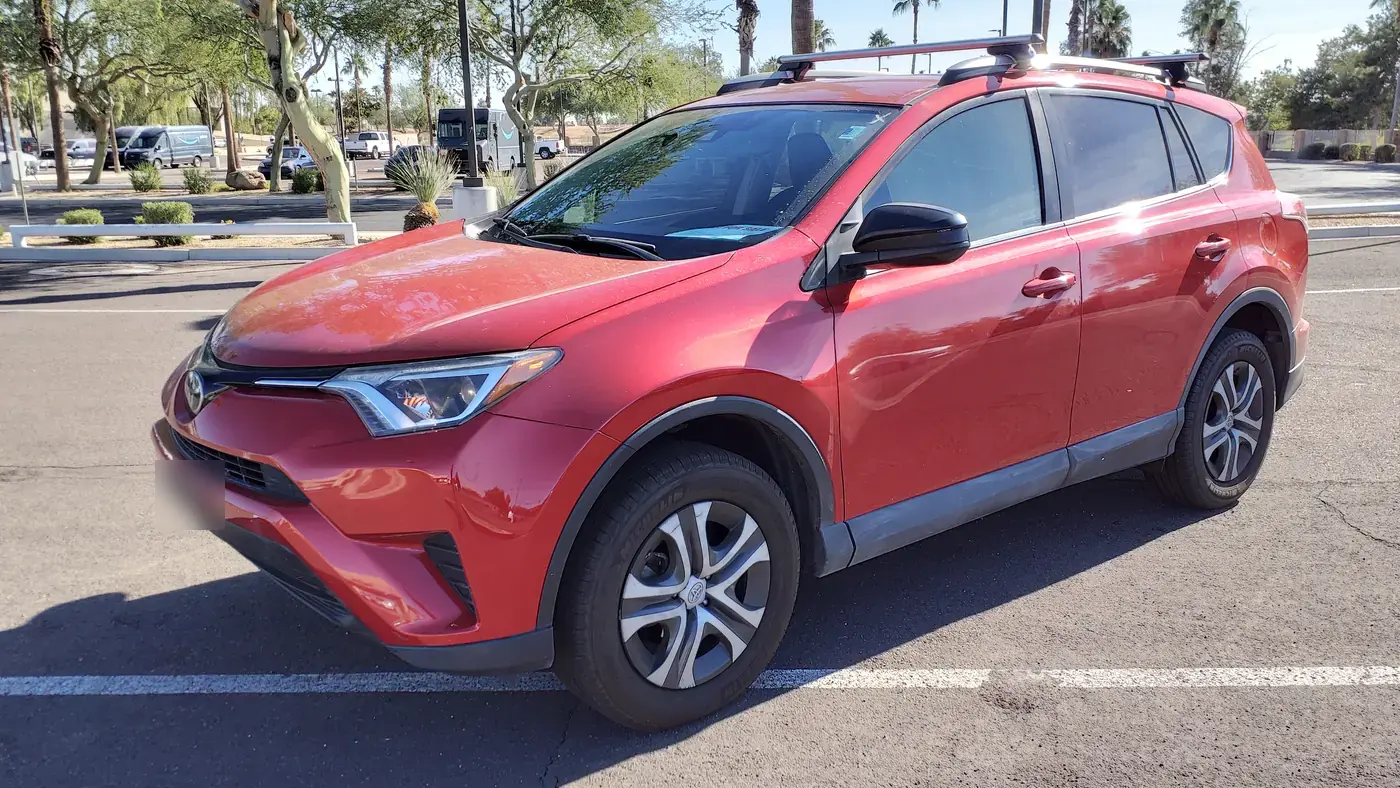
- Two recalls dominate the car list: Toyota’s 2013–2018 RAV4 (23V734, 1,853,568 vehicles, 41% repaired) and Honda’s 2013–2016 Accord (17V418, 1,148,550 vehicles, 83% repaired) together are 44% of all car, SUV, truck and van battery-recall vehicles. The RAV4 alone is about 1.1 million vehicles still unrepaired.
- Most battery recalls are not about a bad battery. They are about the cable, terminal, ground, sensor or mounting around it: a loose connection can overheat, short or cut power, and BMW’s positive-cable recalls (12V126, 13V044) say the car may stall or the connection may overheat.
- Four car recalls in this group tell owners to park outside until the repair is done. Check your VIN at nhtsa.gov/recalls: all repairs are free.
A car battery recall is often about the parts around the battery rather than the battery itself, and the biggest ones in NHTSA’s file are about a loose battery that can short out, a sensor that water can reach, and a cable connection that can overheat or fail. Most coverage reports one recall at a time; this guide puts them side by side with NHTSA’s data.
Car battery recalls: the big picture
NHTSA files these recalls under its “12V/24V/48V battery” component, and just over half carry the sub-label “cables”. The group is wider than passenger cars: of the 336 recalls, 77 cover a car, SUV, pickup or van in our catalog (6,786,861 vehicles, about 68% reported repaired), and the rest cover school and transit buses, fire trucks, heavy trucks, motor homes, trailers and motorcycles. A handful, such as some plug-in hybrid and electric-vehicle campaigns, concern a high-voltage battery that NHTSA filed in the same group. The tables below show cars and light trucks only, and name any exceptions.
Of the 77 car recalls, 33 were filed before 2010, 19 from 2010 to 2019 and 25 since 2020. Here is who the recalls belong to, 2014 onward, all vehicle types:
| Automaker | Campaigns | Vehicles potentially affected | Repaired (vehicle-weighted) | Est. not yet repaired |
|---|---|---|---|---|
| Toyota | 1 | 1,853,568 | 41% | 1,098,610 |
| Honda | 4 | 1,332,922 | 84% | 214,451 |
| Ford | 4 | 463,014 | 83% | 80,629 |
| General Motors | 2 | 360,525 | 95% | 18,055 |
| Hyundai | 3 | 255,681 | 94% | 8,708 |
| Stellantis (FCA US) | 7 | 233,319 | 88% | 28,083 |
| Daimler Truck | 10 | 175,913 | 76% | 37,227 |
| Kia | 2 | 111,104 | 86% | 15,205 |
“Repaired” weights each campaign’s reported completion rate by its vehicle count; “not yet repaired” is the matching estimate. A vehicle in several campaigns is counted in each. Source: NHTSA recalls file and US DOT completion data, retrieved Oct 6, 2026; computed by PlainVIN.
Toyota has only one campaign in this period, but it is by far the largest, and it leaves an estimated 1.1 million vehicles unrepaired.
Batteries and sensors that short or start fires
A battery holds a large current and sits close to metal, so the recalls that worry NHTSA most describe a short circuit. Of the 336 recalls, 152 name a short, fire, overheating, melting or arcing in their subject or summary (we checked each one: 7 more matched only by accident, such as “March” in a date, and 2 were about a cable that was “too short”, so all 9 were dropped). Of those, 26 cover passenger vehicles, 4.1 million vehicles with overlap. Two recalls make up most of that total.
Toyota RAV4, 2013–2018 (23V734). Toyota recalled 1,853,568 vehicles in November 2023 because a replacement battery may not fit the tray properly. NHTSA’s record states the problem in one sentence:
“Certain replacement 12-volt batteries may not fit properly in the battery tray, allowing the battery to move and contact the hold-down bracket, possibly causing a short circuit.”NHTSA recall record 23V734, Toyota, nhtsa.gov
The record says the risk is a fire, and dealers replace the battery clamp, the battery tray and the positive terminal cover free of charge. Letters were phased: 2013–2014 owners first (December 2024), then later model years, and the phasing is one reason only 41% are reported repaired.
Honda Accord, 2013–2016 (17V418). NHTSA’s record for the 1,148,550 vehicles in this June 2017 recall says water can reach the battery sensor:
“The case for the battery sensor, part of the battery management system, may allow water to get in, potentially causing an electrical short.”NHTSA recall record 17V418, Honda, nhtsa.gov
An electrical short increases the risk of a fire. Dealers replace the sensor, and applied an interim sealing adhesive while parts were produced; 83% are reported repaired.
| Recall | Vehicles (NHTSA wording) | What may fail | Units | Repaired |
|---|---|---|---|---|
| 23V734 (Nov 2023) | 2013–2018 Toyota RAV4 | Replacement battery may move, contact hold-down, short | 1,853,568 | 41% |
| 17V418 (Jun 2017) | 2013–2016 Honda Accord | Battery sensor case may let water in, short | 1,148,550 | 83% |
| 12V126 (Mar 2012) | 2004–2010 BMW 5 and 6 Series, 2006–2010 M5, 2007–2010 M6 | Positive-cable bulkhead connector may loosen and overheat | 367,682 | not reported |
| 19V888 (Dec 2019) | 2019–2020 Chevrolet Silverado 1500, GMC Sierra 1500 | B+ cable ring made with excess glue; arcing may heat surroundings | 350,371 | 95% |
| 23V844 (Dec 2023) | 2020–2022 Honda CR-V Hybrid | 12-volt cable missing a fuse; may short or overheat in a crash | 106,030 | 87% |
| 21V189 (Mar 2021) | 2021 Chevrolet Express, GMC Savana (6.6L gas) | Positive cable terminals may touch the fuse block post | 10,154 | 92% |
Source: NHTSA recalls file and US DOT completion data, retrieved Oct 6, 2026; table compiled by PlainVIN from each campaign’s record. “Not reported” means NHTSA’s file has no completion figure, as for most pre-2015 recalls.
Our car fire statistics guide covers vehicle fires in general.
Cables, terminals and ground connections
The connection between the battery and the rest of the car is the weak point more often than the battery. We count 229 recalls whose text names a cable, terminal, connector, sensor, clamp, ground or harness, covering 4.8 million vehicles and reported 86% repaired. A few matches are incidental (a 1977 record is about batteries falling “to the ground”), but nearly all concern the battery’s own wiring; 50 cover cars and light trucks.
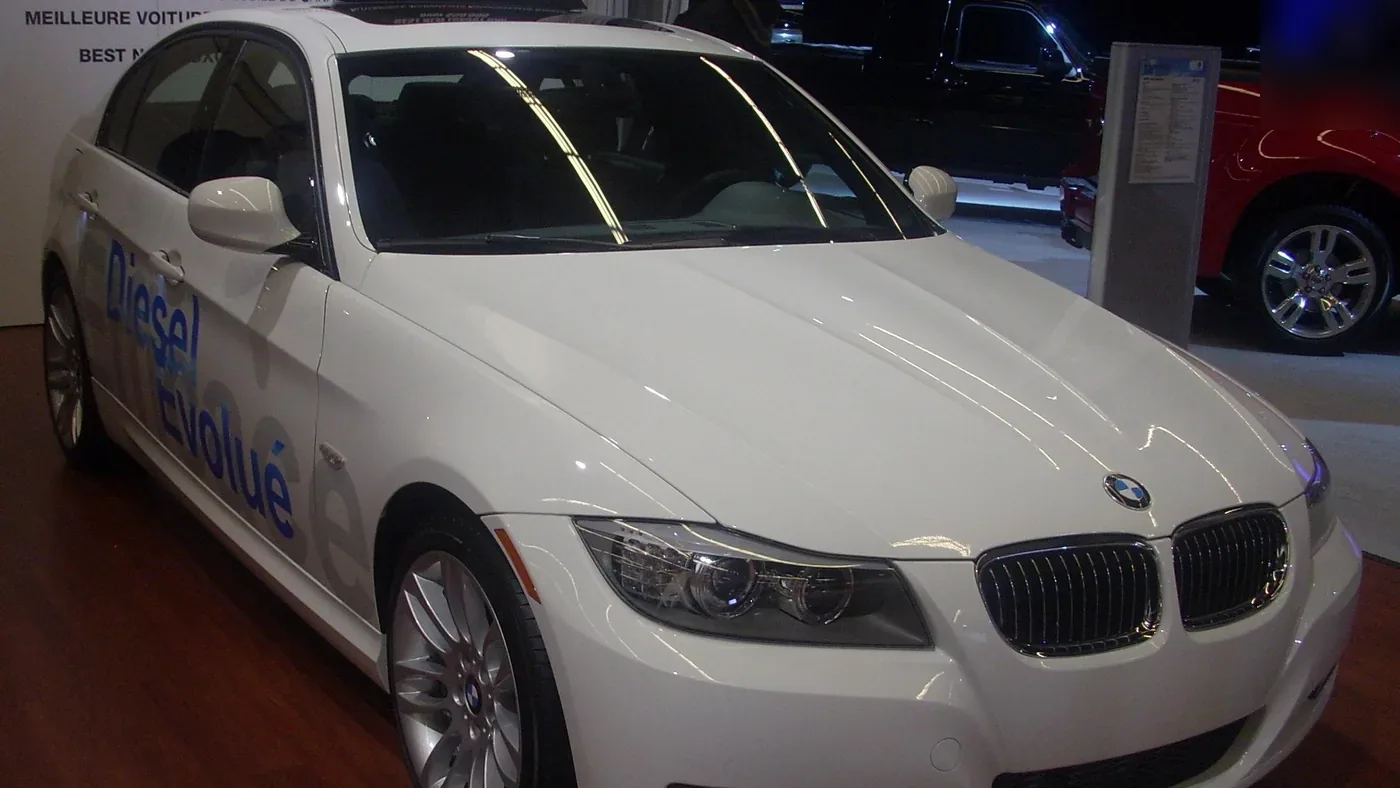
BMW’s positive-cable recalls. BMW’s March 2012 recall (12V126, 367,682 vehicles) says the bulkhead connector for the positive battery cable may have been attached incorrectly to the trunk floor, so the bolt loosens, electrical resistance rises and the connection could overheat. NHTSA’s record says overheating could lead to a fire even while the vehicle is not in use, and advised owners to park outside until the repair. A second BMW series is about the other end of the same cable. The connector at the fuse box can degrade over time:
“If there is a loss of electrical power to the vehicle, the vehicle may unexpectedly stall, increasing the risk of a crash.”NHTSA recall record 13V044, BMW, nhtsa.gov
That recall (13V044, February 2013) covers 516,791 1-Series, 3-Series and Z4 vehicles from 2007 to 2012, and dealers replace the connector and secure it differently. BMW returned to the same terminal in 18V314 (6,591 2010–2011 335d vehicles) and 19V472 (16,641 vehicles, which the record says expands 18V-314), so a 2008–2012 BMW may be in more than one campaign.
Terminals and grounds in other cars. Honda’s 2019 recall of 2018–2019 Odyssey minivans (19V299, 50,504 vehicles) says loose battery terminal connections or a degraded battery may cause the transmission control unit to reboot and move to Park, which can damage the parking rod and let the vehicle roll. Chrysler’s 2019 recall of 2017–2019 Pacificas with stop/start (19V348, 198,731 vehicles) says a loose battery ground may cause an intermittent loss of power steering assist or a stall. Ford’s 2019 recall of 2019–2020 F-150s (19V805, 135,725 vehicles) says excess sealant on the positive battery terminal may loosen the fastener, affecting displays and braking or steering assist, and could stall the engine.
See our car electrical problems guide for the wider pattern of warning lights and wiring faults; this guide covers only the battery’s own hardware.
Battery faults that cut power or stall the engine
When the battery or its connection fails, the first thing lost is electrical power, and modern cars use it for power steering assist, brake boost, lights and displays. We count 28 recalls whose text says loss of power, stall, shutdown or failure to start (16 of them for cars): about 1.7 million vehicles with overlap, 1.6 million of them in cars. We match whole words, because “stall” also appears inside “installed”.
| Recall | Vehicles (NHTSA wording) | What may fail | Units | Repaired |
|---|---|---|---|---|
| 13V044 (Feb 2013) | 2007–2012 BMW 1 Series, 3 Series, Z4 | Positive-cable connector at fuse box may break; power loss | 516,791 | not reported |
| 25V019 (Jan 2025) | 2021–2023 Ford Bronco Sport, 2022–2023 Maverick | 12-volt battery may degrade and suddenly fail | 272,817 | 78% |
| 19V348 (May 2019) | 2017–2019 Chrysler Pacifica with stop/start | Loose battery ground may cut steering assist or stall | 198,731 | 87% |
| 19V472 (Jun 2019) | 2008–2012 BMW M3, 2009 328i/328xi, 2009–2011 335d | Positive-cable connector at fuse box may degrade | 16,641 | 56% |
| 20V694 (Nov 2020) | 2019–2020 Land Rover Discovery | Loose battery ground stud; may shut down while driving | 11,084 | 98% |
Source: NHTSA recalls file and US DOT completion data, retrieved Oct 6, 2026; compiled by PlainVIN.
Ford’s Bronco Sport and Maverick case shows how a repair can be replaced. Ford’s first recall (24V267) recalibrated the body and power-train control modules because they might not detect a change in the 12-volt battery’s state of charge. NHTSA’s later record 25V019 says the battery itself may degrade and suddenly fail, and that “Vehicles in this recall were previously repaired under 24V-267 and will need to have the new remedy completed.” The fix is an inspection and, if necessary, a new battery. See TSB versus recall if a dealer mentioned only a service bulletin.
The 12-volt battery in hybrids and EVs
Hybrids and electric vehicles still have a 12-volt battery, and it runs the computers that close the high-voltage contactors, so a dead one can leave the car without drive power. The recalls here are mostly about whatever charges that battery:
- Hyundai, Kia and Genesis (24V200, 24V204, 24V867, 24V868). NHTSA’s records say the Integrated Charging Control Unit may become damaged and stop charging the 12-volt battery, which can result in a loss of drive power. The 2024 Hyundai recall 24V868 (145,642 vehicles, 94% repaired) “expands and replaces” 24V204, and vehicles repaired under the first notice need the new remedy. The Kia recalls cover 2022–2024 EV6 models (24V200, 48,232 vehicles, and 24V867, 62,872, which expands and replaces it).
- Honda (20V798, 2020). The DC-DC converter may shut down and prevent the 12-volt battery from recharging in 2020 CR-V Hybrid, Accord Hybrid and 2020–2021 Insight models (27,838 vehicles, 98% repaired); the remedy is a software update.
- Volkswagen (22V956 and 25V125). The 2023 ID.4 recall covers a 12-volt charging cable that may contact the steering column shaft and short circuit (1,042 vehicles); the 2025 recall (13,769 vehicles, 91% repaired) says the on-board charger on 2024–2025 Audi Q4 e-tron and 2024 ID.4 models may fail and stop charging the 12-volt battery, which can result in a loss of drive power.
Some recalls in the same NHTSA group concern a high-voltage battery (for example BMW’s 2020 hybrid battery short, 20V490, 713 vehicles). Those are covered in our electric vehicle recalls guide.
When a battery recall says park outside
Six battery recalls carry NHTSA’s park-outside flag, four for cars and light trucks: GM’s 2021 Express and Savana (21V189), Volkswagen’s 2023 ID.4 (22V956), and Chrysler’s 2023 Dodge Hornet and Alfa Romeo Tonale plug-in hybrids (23V623) and Pacifica plug-in hybrids (23V753). The 2023 Chrysler records say a fire could start while parked or driving, and BMW’s 12V126 record gives the same advice in its text. Our park-outside recall list has the full list across all components. No battery recall in this group is flagged do-not-drive for a car.
What to do if your battery has a recall
- Check your VIN at nhtsa.gov/recalls or with our VIN decoder. Several of these recalls are phased by model year, so a 2013 RAV4 may have a letter while a 2017 does not yet.
- Follow any interim instruction in the notice, especially a park-outside warning or a charging limit, until the repair is done.
- Mention a replacement battery. Toyota’s record is about replacement batteries; if a shop fitted one, say so when you book.
- Ask about the final repair: Honda’s Accord remedy started with sealant, with the sensor replacement to follow.
- Report it either way: a stall, a burning smell or a dead car with no warning belongs in a complaint to NHTSA, because complaints trigger investigations.
A car that will not start is usually just a worn battery; our most common car problems guide shows what owners report most.
When the battery is fine but the car still will not start or charge, see our starter and alternator recalls guide.
Recall figures are PlainVIN’s analysis of NHTSA’s files and update when we refresh the data. “Reported repaired” is the automaker’s figure, and repaired rates for 2026 filings are usually blank. Counts of subsets (short or fire, stall, car-only) are PlainVIN’s own text matches checked by hand; a recall can be in more than one group. This guide is general information, not mechanical advice for a specific vehicle.
Frequently asked questions
Which cars have been recalled for a battery problem?
The largest are Toyota’s 2013–2018 RAV4 (23V734, 1,853,568 vehicles, about 41% repaired), Honda’s 2013–2016 Accord (17V418, 1,148,550) and BMW’s positive-cable recalls (12V126, 13V044). Ford’s Bronco Sport and Maverick (25V019) are the main recent 12-volt battery failure recall.
Can a car battery recall cause a fire?
Yes. NHTSA’s records for the RAV4, Accord, Express and Savana and several plug-in hybrids say a short circuit or overheating connection increases the risk of a fire. Four car recalls in the group say to park outside until repaired.
What is the Toyota RAV4 battery recall?
Recall 23V734 covers 2013–2018 RAV4s where a replacement 12-volt battery may not fit the tray properly, so it can move, touch the hold-down bracket and short. Dealers replace the clamp, tray and positive terminal cover free of charge, with letters sent in phases.
Why did BMW recall battery cables?
12V126 says the positive cable’s bulkhead connector may loosen and overheat, and 13V044 says the fuse-box connector may degrade and cause a loss of electrical power and a stall. Dealers secure or replace the connector at no charge.
Is the 12-volt battery recalled in electric cars and hybrids?
Yes. Hyundai, Kia and Genesis recalled models whose charging control unit may stop charging the 12-volt battery, causing a loss of drive power, and Honda, Subaru and Volkswagen filed similar recalls.
Will a battery recall make my car stall?
Some say so. BMW’s 13V044, Ford’s F-150 recall 19V805 and Chrysler’s Pacifica recall 19V348 say a loose connection may cut power and stall the engine. Others describe only a short or fire risk.
Is a battery recall repair free?
Yes. The manufacturer pays, whether the fix is a clamp, cable, sensor or battery, and recalls do not expire. Check your VIN at nhtsa.gov/recalls.
About the PlainVIN Recalls & Safety Desk
This desk covers recall campaigns and completion rates, owner complaints filed with NHTSA, and NHTSA 5-Star Safety Ratings.
Every figure in this guide links to its primary source. See our editorial policy, how we use AI and corrections log.
How this page was madeSources, processing, limits, review and changes
Data sources
- NHTSA recalls file, including campaigns 12V126, 13V044, 17V418, 18V314, 19V299, 19V348, 19V472, 19V805, 19V888, 20V694, 20V798, 21V189, 22V956, 23V080, 23V623, 23V734, 23V753, 23V844, 24V200, 24V204, 24V267, 24V867, 24V868, 25V019 and 25V125
Retrieved Oct 6, 2026 - NHTSA recall record, Toyota campaign 23V734
nhtsa.gov - NHTSA recall record, Honda campaign 17V418
nhtsa.gov - NHTSA recall record, BMW campaign 13V044
nhtsa.gov - NHTSA recall record, BMW campaign 12V126
nhtsa.gov - NHTSA, Report a Safety Problem
nhtsa.gov
Processing
- Complaints are counted per component. One complaint can list several, so component totals add up to more than the total.
- Fuel cost = miles per year ÷ EPA combined mpg × EIA weekly price for your region.
Limitations
- Complaint counts are owner reports, not verified findings or failure rates. There is no sales denominator.
- Recall campaigns are listed for the model year. Only NHTSA and the automaker know whether a specific car was repaired.
- Recent model years are still collecting reports.
Review
Researched by Daniel B. and Olivia C., technical check by Ethan B., edited by Sophia M. (see the editorial team page). Drafted with AI assistance and checked against primary sources by the Recalls & Safety desk.
Changelog
- 2026-10-06 Data refreshed from the official files.
Keep reading