Cars With Engine Problems: Models and Years From NHTSA Data
Which cars and model years draw the most engine complaints to NHTSA, which were recalled for bearing wear and engine seizure, which were not, and what to check before buying used.
Key takeaways
- The engine is one of the most-reported problem areas in NHTSA’s complaint file: 273,546 owner complaints name the engine or engine cooling, 17.9% of all complaints.
- The model years with the most engine complaints include the 2013, 2014, 2017 and 2018 Ford Escape, the 2011 and 2013 Hyundai Sonata, the 2016 Honda Pilot, the 2016 Kia Sorento, the 2017 Hyundai Santa Fe and older cars such as the 1995 Ford Windstar and 1999–2000 Dodge Intrepid.
- Many Hyundai and Kia engine complaints line up with recalls for bearing wear and engine seizure; Honda recalled several V6 models in 2023 for connecting-rod bearing wear. Several high-complaint years have no engine-failure recall.
- Newer engines are not immune: Toyota’s twin-turbo V6 in the Tundra, GM’s 6.2-liter V8, Nissan’s VC-Turbo and the Jeep 4xe’s 2.0-liter turbo have all been recalled since 2024 for internal damage that can stall the engine.
- 93 recalls fix internal engine damage such as bearing wear, rod failure or machining debris, covering 5.7 million vehicles. Check your VIN; recall repairs are free.
The cars with the most engine problems reported to NHTSA include several Ford Escape years, Hyundai Sonata, Santa Fe and Kia Sorento and Optima years, and the 2016 Honda Pilot. For some of these model years, more than half of all owner complaints name the engine. This guide shows which models and years draw the most engine complaints, which of them were recalled for engine failure, and what to check before you buy.
How common are engine complaints?
NHTSA’s complaint form has used two engine categories over the years, “engine” and “engine and engine cooling”. Together they are one of the largest problem areas in the file, alongside the electrical system and the powertrain:
| Model year | Complaints naming it | All complaints | Share |
|---|---|---|---|
| 2008 | 7,761 | 63,555 | 12.2% |
| 2009 | 5,376 | 42,631 | 12.6% |
| 2010 | 7,615 | 49,326 | 15.4% |
| 2011 | 10,307 | 52,599 | 19.6% |
| 2012 | 11,183 | 52,754 | 21.2% |
| 2013 | 14,094 | 60,543 | 23.3% |
| 2014 | 12,006 | 54,325 | 22.1% |
| 2015 | 11,885 | 51,372 | 23.1% |
| 2016 | 13,224 | 50,596 | 26.1% |
| 2017 | 15,229 | 49,575 | 30.7% |
| 2018 | 12,796 | 47,071 | 27.2% |
| 2019 | 9,456 | 39,712 | 23.8% |
| 2020 | 6,288 | 28,897 | 21.8% |
| 2021 | 6,271 | 26,553 | 23.6% |
| 2022 | 4,932 | 24,253 | 20.3% |
| 2023 | 4,124 | 20,856 | 19.8% |
| 2024 | 3,017 | 15,624 | 19.3% |
| 2025 | 1,536 | 9,808 | 15.7% |
| 2026 | 572 | 3,137 | 18.2% |
One complaint can name several components. Recent model years are still collecting reports. Source: NHTSA owner complaints file, retrieved Oct 6, 2026; computed by PlainVIN.
The engine’s share is higher for 2010 and newer models, the years that include most of the engine families recalled for bearing wear in the sections below. For how engines compare with other problem areas, see the most common car problems.
Cars with the most engine complaints
| Model | Model years | Complaints naming it | Share of the model’s complaints |
|---|---|---|---|
| Ford Escape | 2001–2026 | 9,518 | 34.7% |
| Ford F-150 | 1983–2026 | 7,254 | 18.7% |
| Hyundai Sonata | 1987–2025 | 5,102 | 31.7% |
| Jeep Grand Cherokee | 1989–2026 | 4,384 | 14.8% |
| Kia Sorento | 2003–2026 | 4,223 | 41.5% |
| Ford Fusion | 2006–2020 | 4,061 | 18.1% |
| Ford Explorer | 1990–2026 | 4,052 | 11.7% |
| Ford Focus | 1999–2018 | 3,597 | 16.3% |
| Kia Soul | 2010–2025 | 3,537 | 63.7% |
| Kia Optima | 2001–2020 | 3,404 | 45.3% |
| Honda Accord | 1982–2026 | 3,386 | 13.8% |
| Ford Taurus | 1986–2019 | 3,376 | 18.5% |
| Nissan Altima | 1993–2024 | 3,371 | 21.8% |
| Ford Edge | 2007–2024 | 3,266 | 23.2% |
| Chevrolet Equinox | 2005–2026 | 3,185 | 34.8% |
Counts of owner reports, not verified defects or rates; models that sold in larger numbers draw more complaints. The share compares with all complaints for that model over the same model years. Source: NHTSA owner complaints file, retrieved Oct 6, 2026; computed by PlainVIN.
Counts favor best-sellers, so look at the share column too. For the Kia Soul, nearly two-thirds of all complaints name the engine, and for the Kia Optima and Sorento it is more than 40%, against fewer than one complaint in five across the whole file.
The worst model years, and which were recalled
| Vehicle | Complaints naming it | Share of that year’s complaints |
|---|---|---|
| 1995 Ford Windstar | 1,610 | 48% |
| 2017 Ford Escape | 1,575 | 59% |
| 2013 Ford Escape | 1,265 | 46% |
| 2018 Ford Escape | 1,158 | 64% |
| 2011 Hyundai Sonata | 967 | 29% |
| 2000 Dodge Intrepid | 785 | 74% |
| 2016 Honda Pilot | 771 | 45% |
| 2013 Hyundai Sonata | 736 | 39% |
| 2014 Ford Escape | 726 | 35% |
| 2010 Ford Fusion | 700 | 14% |
| 1999 Dodge Intrepid | 698 | 70% |
| 2016 Kia Sorento | 695 | 55% |
Source: NHTSA owner complaints file, retrieved Oct 6, 2026; computed by PlainVIN.
- Hyundai Sonata 2011–2014, Santa Fe Sport 2013–2014, Kia Optima 2011–2014, Sorento 2012–2014 and Sportage 2011–2013: recalled in 2015 and 2017 because metal debris from manufacturing, or machining errors, could cause bearing wear and engine seizure (15V568, 17V226, 17V224). See the Hyundai Sonata by year.
- Kia Soul 2012–2016: recalled in 2019 because high exhaust temperatures could damage the catalytic converter and then the engine (19V120). The 2014–2015 Soul, with the 2012–2013 Sorento, 2012–2015 Forte, 2011–2013 Optima Hybrid and 2012 Sportage, was recalled again in 2020 because engine damage could lead to an engine compartment fire (20V750).
- Honda Pilot 2016, 2018–2019 and other Honda and Acura V6 models: recalled in 2023 because a connecting-rod bearing could wear and seize, damaging the engine (23V751), covering the 2015–2020 Acura TLX, 2016–2020 MDX, Pilot, Ridgeline and 2018–2019 Odyssey.
- Ford Escape: the 2013 Escape with the 1.6-liter engine was recalled twice because the cylinder head could overheat and cause a fire (12V551, 13V583). In January 2026 Ford recalled 2013–2019 Escapes with the 2.0-liter engine because the block heater could crack, leak coolant and short circuit (26V011). We found no engine-failure recall for the 2017 or 2018 Escape, although more than half of their complaints name the engine.
- Kia Sorento 2016 and Hyundai Santa Fe 2017: the 2016 Sorento’s only engine-related recall is for a leaking high-pressure fuel pipe (18V907); a 2017 bearing-wear recall for the Santa Fe (17V578) covered only about 420 vehicles. Most owners of these years were not covered by an engine-failure recall.
- 1995 Ford Windstar, 1999–2000 Dodge Intrepid and 2017 Ford Edge: very high engine complaint shares, but no engine recall of any kind covering those years in NHTSA’s file.
As with transmissions, an engine that wears out early is often treated as a warranty or reliability problem rather than a safety recall, unless the failure creates a crash or fire risk. Our transmission guide explains that distinction, and each model’s best and worst years page shows its problem areas year by year.
Engine recalls: what fails
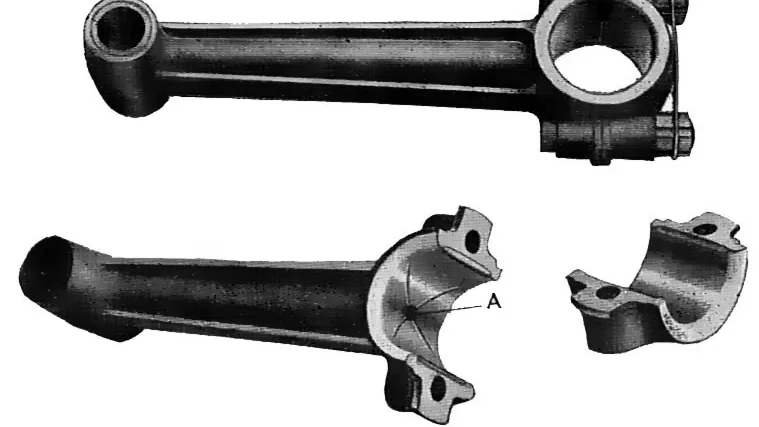
Engine recalls fall into two groups. Some fix internal damage that can make the engine fail or seize while driving, usually traced to manufacturing: debris left in the engine, machining errors or defective connecting rods and bearings. NHTSA’s record for the 2017 Hyundai recall puts the risk simply:
“Bearing wear may result in the engine seizing, increasing the risk of a crash.”NHTSA recall record for Hyundai campaign 17V226, nhtsa.gov
The other group are fire risks: oil or coolant leaking onto hot parts, overheating, or electrical faults such as block heaters and PCV heaters. Our car fire statistics cover those. Recent engine-failure recalls include GM’s 2025 recall of 2021–2024 trucks and SUVs with the 6.2-liter V8 (25V274) and Nissan’s 2026 recall of Rogue models with the VC-Turbo engine (26V080).
| Filed | Vehicles (NHTSA wording) | Problem | Units | Repaired |
|---|---|---|---|---|
| Mar 2017 17V224000 | Certain 2011-2014 Optima, 2012-2014 Sorento and 2011-2013 Sportage vehicles | Bearing Wear may result in Engine Seizure | 618,160 | 68% |
| Apr 2025 25V274000 | Certain 2021-2024 Cadillac Escalade and Escalade ESV, Chevrolet Silverado 1500, Suburban, and Tahoe, GMC Sierra 1500, Yukon and others | Engine Failure | 597,571 | 85% |
| Mar 2017 17V226000 | Certain 2013-2014 Sonata and Santa Fe Sport vehicles | Bearing Wear may result in Engine Seizure | 572,000 | 73% |
| Sep 2015 15V568000 | Certain model year 2011-2012 Sonata vehicles manufactured December 11, 2009, to April 12 and others | Connecting Rod Wear may Result in Engine Stall | 470,000 | 77% |
| Jun 2025 25V437000 | Certain 2021-2024 Rogue, 2019-2020 Altima, 2019-2022 Infiniti QX50 and others | Engine Failure | 443,899 | 69% |
| Feb 2019 19V120000 | Certain 2012-2016 Kia Soul vehicles equipped with 1.6L Gasoline Direct Injection (GDI) engines | Overheated Catalytic Converter May Damage Engine | 378,967 | 63% |
| Feb 2026 26V080000 | Certain 2023-2025 Rogue vehicles equipped with 3-cylinder 1.5L variable compression turbo (VC-Turbo) engines | Engine Failure | 323,917 | 70% |
| Dec 2020 20V750000 | Certain 2012-2013 Sorento, 2012-2015 Forte and Forte Koup, 2011-2013 Optima Hybrid, 2014-2015 Soul, and 2012 Sportage vehicles | Engine Damage May Cause Fire | 294,756 | 73% |
| Nov 2023 23V751000 | Certain 2015-2020 Acura TLX, 2016-2020 Acura MDX, 2016 and 2018-2019 Pilot, 2017 and 2019 Ridgeline, and 2018-2019 Odyssey vehicles | Engine Damage from Connecting Rod Bearing Wear | 248,999 | 78% |
| Apr 2021 21V301000 | Certain 2019-2020 Elantra, 2019-2021 Kona and Veloster vehicles equipped with 2.0L Nu MPI engines | Improperly Heat-Treated Piston Oil Rings | 158,493 | 91% |
Vehicle descriptions are NHTSA’s own summary wording; “repaired” is the share the manufacturer reports as fixed, and new campaigns start near zero. Source: NHTSA recalls file and US DOT completion data, retrieved Oct 6, 2026.
Newer engines with problems: the 2022–2026 recalls
Most of the high-complaint years above are a decade or more old, because complaints take years to build up. The recall file shows which newer engines have problems now. Five engine families stand out:
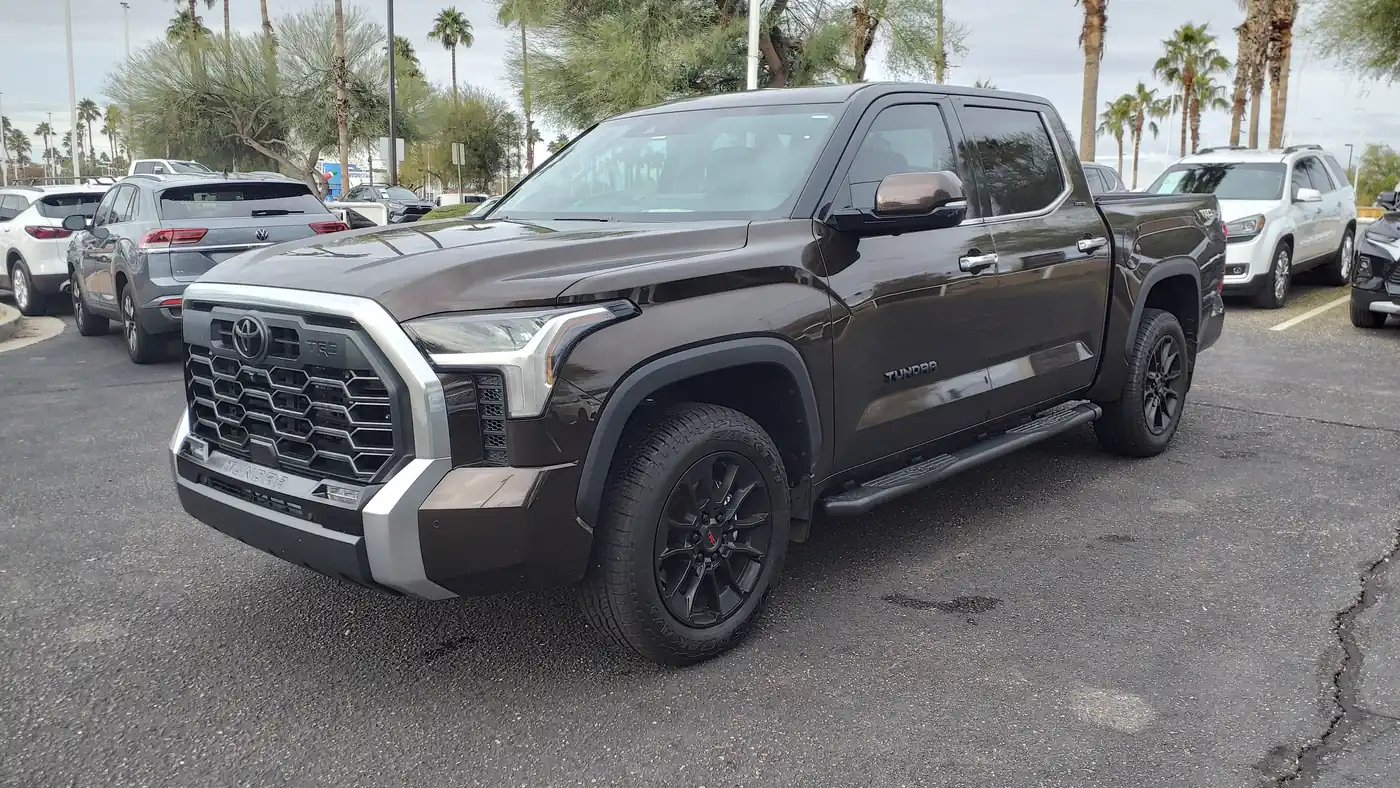
- Toyota’s 3.4-liter twin-turbo V6 (V35A): recalled three times because machining debris left in the engine can make the main bearings fail, causing a stall: 2022–2023 Tundra and Lexus LX 600 in 2024 (24V381), 2022–2024 Tundra, LX and 2024 GX in 2025 (25V767), and more 2024 Tundras in 2026 (26V320).
- GM’s 6.2-liter V8 (L87): about 598,000 2021–2024 Silverado 1500, Sierra 1500, Tahoe, Suburban, Yukon and Escalade models, recalled in 2025 for connecting-rod and crankshaft defects (25V274).
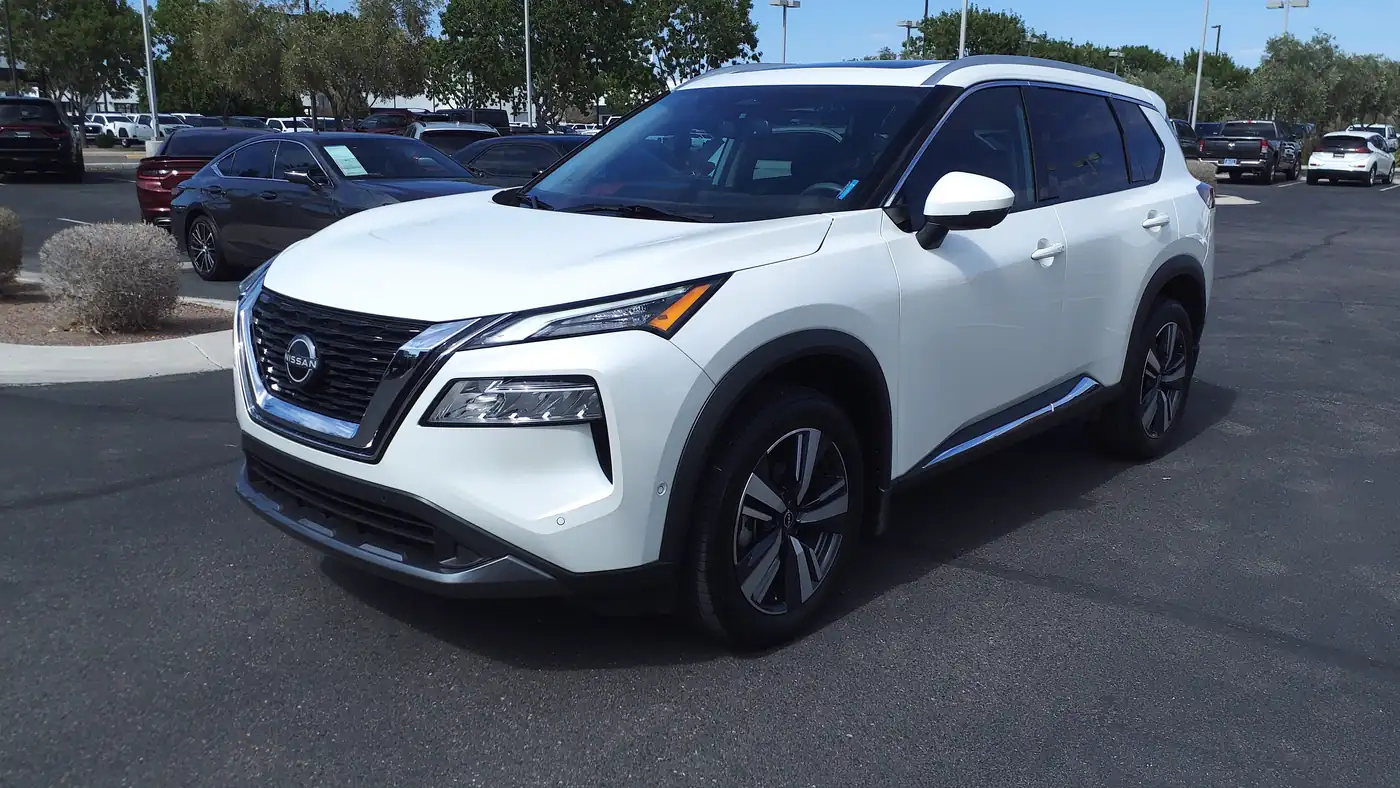
- Nissan’s VC-Turbo: 2019–2020 Altima, 2021–2024 Rogue and 2019–2022 Infiniti QX50 in 2025 (25V437), then 2023–2025 Rogues in 2026 because hot oil can break down and seize the bearings (26V080).
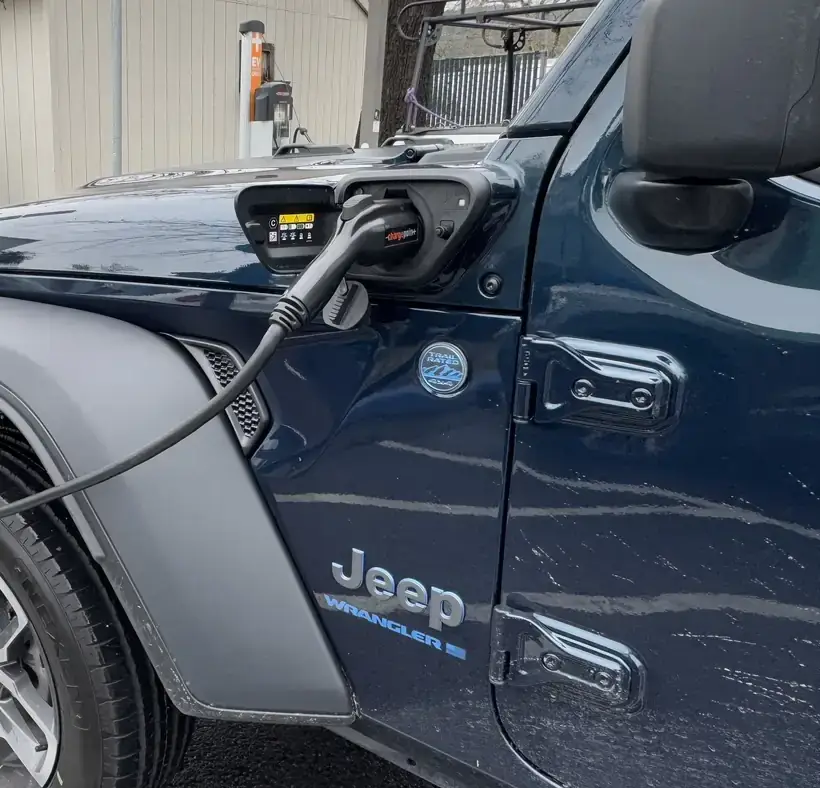
- Jeep’s 2.0-liter turbo in the 4xe plug-in hybrids: 2023–2025 Grand Cherokee 4xe and 2024–2025 Wrangler 4xe, recalled in late 2025 because debris inside the engine can cause engine failure (25V766). It is one of the least-repaired on this list.
- Honda’s 1.5-liter turbo: owner reports and lawsuits over oil dilution are widely covered, but we found no engine recall for it in NHTSA’s file.
The Jeep recall adds a fire risk to the stall risk. NHTSA’s record states:
“A loss of drive power increases the risk of a crash, and a vehicle fire can increase the risk of injury.”NHTSA recall record for Chrysler campaign 25V766, nhtsa.gov
For any of these, the repair is an inspection and, if needed, an engine replacement, at no charge. Parts shortages mean some owners wait; ask the dealer what to do in the meantime.
Warning signs of engine trouble
Most engine failures give some warning first. How urgently to act depends on the sign:
| Sign | What it can mean | What to do |
|---|---|---|
| Red oil-pressure light | Low oil or a failing oil supply to the bearings | Pull over and switch off as soon as it is safe |
| Temperature warning or steam | Overheating, coolant loss | Pull over and switch off; don’t open a hot radiator cap |
| Knocking that rises with engine speed | Bearing or connecting-rod wear, the failure behind many recalls | Stop driving; check for an open recall |
| Flashing check-engine light | Severe misfire, which can also overheat the catalytic converter | Drive gently to a shop straight away |
| Stalling or sudden loss of power | Many causes, including bearing seizure | Get it checked; report it to NHTSA |
| Burning smell, oil on the exhaust, blue or white smoke | Oil or coolant leaks, oil burning | Get it checked soon; leaks onto hot parts are a fire risk |
An engine run without oil pressure or coolant can be destroyed within minutes, so the red warnings matter most. If the engine stalls or loses power while driving, also report it to NHTSA: complaint patterns are how investigations start.
Buying used: checking the engine
- Check the model year’s engine complaints and recalls before you look at the car, and confirm any engine recall was completed. Our VIN decoder shows the engine fitted at the factory.
- Ask for oil-change records. Several of the recalls above involve bearing wear, and a gap in service history makes it harder to tell a manufacturing defect from neglect.
- Start it cold and listen for knocking or ticking, and check under the oil cap and dipstick.
- Get an independent inspection with a scan for stored codes. Our used car inspection checklist covers the rest.
For recalls of water pumps, coolant leaks and cooling fans see our water pump and cooling system recalls guide.
Complaint and recall figures are PlainVIN’s analysis of NHTSA’s files and update when we refresh the data; complaints are owner reports, not verified defects. This guide is general information, not mechanical advice.
Frequently asked questions
Which cars have the most engine problems?
In NHTSA’s complaint file, the Ford Escape, Ford F-150, Hyundai Sonata, Jeep Grand Cherokee and Kia Sorento have the most engine complaints by count. By share, the Kia Soul stands out: nearly two-thirds of its complaints name the engine.
Which model years of the Ford Escape have engine problems?
The 2013, 2014, 2017 and 2018 Escape draw the most engine complaints. The 2013 1.6-liter Escape was recalled for overheating and fire risk, and 2013–2019 2.0-liter models were recalled in 2026 for the block heater. We found no engine-failure recall for the 2017 or 2018 Escape.
Which newer engines have been recalled for failure?
Since 2024: Toyota’s 3.4-liter twin-turbo V6 in the 2022–2024 Tundra and Lexus LX and GX (24V381, 25V767, 26V320), GM’s 6.2-liter V8 in 2021–2024 trucks and SUVs (25V274), Nissan’s VC-Turbo in the Rogue, Altima and Infiniti QX50 (25V437, 26V080), and the 2.0-liter turbo in 2023–2025 Jeep 4xe plug-in hybrids (25V766).
Is there a recall for Hyundai and Kia engine failure?
Yes. Hyundai recalled 2011–2012 Sonatas in 2015 and 2013–2014 Sonata and Santa Fe Sport models in 2017, and Kia recalled 2011–2014 Optima, 2012–2014 Sorento and 2011–2013 Sportage models in 2017, because bearing wear could make the engine seize. Check your VIN for open recalls.
Which Honda models were recalled for engine bearing problems?
Honda’s 2023 recall 23V751 covers the 2016 and 2018–2019 Pilot, 2017 and 2019 Ridgeline, 2018–2019 Odyssey, 2015–2020 Acura TLX and 2016–2020 Acura MDX, because a connecting-rod bearing could wear and damage the engine.
What are the signs of engine failure?
Knocking that rises with engine speed, an oil-pressure or temperature warning, a flashing check-engine light, heavy oil use or smoke, and stalling or loss of power. Stop as soon as it is safe if a red warning comes on.
Will a recall replace my engine for free?
If your vehicle is covered by an open safety recall, the dealer will inspect it and repair or replace the engine as the recall requires, at no charge. Engine failures not covered by a recall depend on your warranty.
How do I check if my car has an engine recall?
Enter the 17-character VIN at nhtsa.gov/recalls or on the automaker’s owner site. Our VIN decoder also shows the factory engine, which matters because many engine recalls cover only one engine size.
About the PlainVIN Recalls & Safety Desk
This desk covers recall campaigns and completion rates, owner complaints filed with NHTSA, and NHTSA 5-Star Safety Ratings.
Every figure in this guide links to its primary source. See our editorial policy, how we use AI and corrections log.
How this page was madeSources, processing, limits, review and changes
Data sources
- NHTSA owner complaints file (components: engine; engine and engine cooling) and recalls file, including campaigns 15V568, 17V224, 17V226, 17V578, 19V120, 20V750, 23V751, 25V274, 25V437, 26V080, 12V551, 13V583, 18V907, 26V011, 24V381, 25V767, 26V320 and 25V766
Retrieved Oct 6, 2026 - NHTSA recall record, Hyundai campaign 17V226
nhtsa.gov - NHTSA recall record, Honda campaign 23V751
nhtsa.gov - SlashGear, These 5 Engines Made By Big-Name Brands Are Having Major Issues In 2026 (Mike Garrett, June 19, 2026)
slashgear.com
Processing
- Complaints are counted per component. One complaint can list several, so component totals add up to more than the total.
- Fuel cost = miles per year ÷ EPA combined mpg × EIA weekly price for your region.
Limitations
- Complaint counts are owner reports, not verified findings or failure rates. There is no sales denominator.
- Recall campaigns are listed for the model year. Only NHTSA and the automaker know whether a specific car was repaired.
- Recent model years are still collecting reports.
Review
Researched by Daniel B. and Olivia C., technical check by Ethan B., edited by Sophia M. (see the editorial team page). Drafted with AI assistance and checked against primary sources by the Recalls & Safety desk.
Changelog
- 2026-10-06 Data refreshed from the official files.
Keep reading