Fuel Pump Recalls and Problems: Which Cars, From NHTSA Data
Which cars draw the most fuel system complaints to NHTSA, the Honda, Toyota and Ford fuel pump recalls that can stall an engine, the 2026 recalls, and which are still unrepaired.
Key takeaways
- A failing fuel pump can stall the engine while you are driving. 312 NHTSA recalls name a fuel pump, delivery module or pump relay, covering 23.6 million vehicles; 79% are reported repaired.
- Honda and Acura have the largest fuel pump recall total, and four separate campaigns since 2019 (19V060, 20V314, 21V215 and 23V858). Toyota and Lexus recalled about 1.8 million and 1.5 million vehicles in two campaigns in 2020, and Ford recalled about 850,000 trucks and SUVs in 2025.
- The cars with the most fuel-system complaints to NHTSA include the Chevrolet Trailblazer, Jeep Wrangler, Nissan Xterra, Ford Escape and Honda CR-V. Several of the worst model years, such as the 2006 Trailblazer and 2005 Xterra, have no fuel-system or stall recall in NHTSA’s file.
- In 2026 Ford recalled 2020–2022 Super Duty trucks again because its fix for a diesel high-pressure pump recall had been done incorrectly. Check your VIN: recall repairs are free.
A failing fuel pump can make the engine stall while you are driving, and several automakers have recalled millions of cars to replace pumps before they do. Honda, Toyota, Ford and Volkswagen account for the largest recalls. Repair-shop guides explain the symptoms and the cost; this guide uses NHTSA’s complaint and recall files to show which cars and model years are involved, which recalls are still mostly unrepaired, and which high-complaint years were never recalled.
Fuel system complaints: which cars and years
NHTSA’s owner complaint form has two fuel categories: “fuel system” and the newer “fuel/propulsion system.” Both cover the whole system, not just the pump: the tank, lines, injectors, vapor system and pump. Together they are a smaller share of complaints than the engine or electrical system, but they name some of the worst individual model years:
| Model | Model years | Complaints naming it | Share of the model’s complaints |
|---|---|---|---|
| Ford F-150 | 1981–2024 | 2,462 | 6.4% |
| Jeep Wrangler | 1986–2023 | 2,002 | 11.4% |
| Chevrolet Trailblazer | 2002–2022 | 1,671 | 23.5% |
| Ford Focus | 2000–2018 | 1,237 | 5.6% |
| Dodge Durango | 1998–2025 | 1,181 | 8.5% |
| Jeep Grand Cherokee | 1990–2025 | 1,095 | 3.7% |
| Jeep Liberty | 2001–2012 | 916 | 10.3% |
| Nissan Xterra | 2000–2010 | 857 | 28.2% |
| Volkswagen Jetta | 1986–2019 | 795 | 8.2% |
| Ford Escape | 2001–2022 | 737 | 2.7% |
| Honda Accord | 1981–2024 | 633 | 2.6% |
| Nissan Pathfinder | 1987–2023 | 621 | 8.6% |
Counts of owner reports, not verified defects or rates; models that sold in larger numbers draw more complaints. The share compares with all complaints for that model over the same model years. Source: NHTSA owner complaints file, retrieved Oct 6, 2026; computed by PlainVIN.
| Vehicle | Complaints naming it | Share of that year’s complaints |
|---|---|---|
| 2005 Dodge Durango | 550 | 35% |
| 2006 Chevrolet Trailblazer | 536 | 47% |
| 2005 Chevrolet Trailblazer | 526 | 35% |
| 2007 Jeep Wrangler | 445 | 26% |
| 2000 Ford Focus | 408 | 11% |
| 2006 Dodge Durango | 401 | 47% |
| 2003 Chevrolet Cavalier | 376 | 55% |
| 2006 Jeep Wrangler | 361 | 49% |
| 2008 Jeep Wrangler | 358 | 19% |
| 2005 Jeep Wrangler | 349 | 54% |
| 2001 Ford Focus | 297 | 17% |
| 2005 Nissan Xterra | 291 | 34% |
Source: NHTSA owner complaints file, retrieved Oct 6, 2026; computed by PlainVIN.
The newer “fuel/propulsion” category puts different cars at the top: the Ford Escape, Honda CR-V and Chevrolet Corvette, with the 2018 Honda CR-V and 2019 Toyota RAV4 among the worst model years.
| Vehicle | Complaints naming it | Share of that year’s complaints |
|---|---|---|
| 2010 Ford Fusion | 484 | 9% |
| 2010 Ford Escape | 440 | 21% |
| 2018 Honda CR-V | 375 | 17% |
| 2008 Chevrolet Corvette | 369 | 63% |
| 2017 Honda CR-V | 348 | 20% |
| 2006 Dodge Charger | 305 | 24% |
| 2018 Honda Accord | 304 | 16% |
| 2014 Ford Focus | 298 | 11% |
| 2012 Ford Focus | 284 | 8% |
| 2007 Chevrolet Cobalt | 283 | 18% |
| 2006 Chevrolet Cobalt | 255 | 11% |
| 2019 Toyota RAV4 | 255 | 29% |
Source: NHTSA owner complaints file, retrieved Oct 6, 2026; computed by PlainVIN.
Which of those years were recalled
We checked the worst model years above against NHTSA’s recall file. The match is close for newer cars and loose for older ones:
- Honda CR-V 2017–2018 and Honda Accord 2018: covered by Honda’s 2021 recall of 2019–2020 models and 2018–2019 CR-Vs (21V215) and then 23V858 across 2013–2023 Accord, Civic, CR-V, HR-V, Odyssey, Ridgeline and Acura models (23V858). The 2018 Accord was also in a 2020 recall (20V314).
- Toyota RAV4 2019: recalled in 2020 because the in-tank fuel pump can fail and stall the engine (20V682).
- Ford Fusion 2010 and Escape 2010: the 2010–2011 Fusion and Mercury Milan were recalled in 2015 because a vapor purge valve could let the tank crack and leak (15V793). The 2010–2012 Escape with the 3.0-liter engine was recalled in 2016 for a fuel delivery module that could crack and leak (16V777).
- Chevrolet Cobalt 2007: recalled in 2009 and 2012 because the fuel pump module could crack and leak fuel, a fire risk, in vehicles sold or registered in hot-climate states (09V419, 12V459).
- Dodge Durango 2005: recalled for a fuel filler check valve that might not close after refueling (05V034, 09V003). Jeep Wrangler 2007: a 2007 recall for a power module software fault that could stall the engine (07V291).
- Chevrolet Trailblazer 2006, Chevrolet Cavalier 2003, Nissan Xterra 2005 and Chevrolet Corvette 2008: heavy fuel complaint shares, but we found no fuel-system or stall recall for those years in NHTSA’s file.
Complaints are owner reports, so a high count may reflect many owners of a popular model rather than a defect rate. For each model’s year-by-year picture, see its best and worst years page.
Fuel pump recalls by automaker
| Automaker | Campaigns | Vehicles potentially affected | Repaired (vehicle-weighted) | Est. not yet repaired |
|---|---|---|---|---|
| Honda | 12 | 5,504,303 | 81% | 1,045,007 |
| Toyota | 6 | 3,407,703 | 92% | 275,373 |
| Ford | 12 | 1,637,538 | 42% | 453,603 |
| Volkswagen Group | 11 | 778,652 | 70% | 230,181 |
| Mercedes-Benz | 6 | 581,311 | 77% | 135,556 |
| Hyundai | 9 | 553,549 | 70% | 101,121 |
| Stellantis (FCA US) | 6 | 483,462 | 75% | 107,964 |
| Subaru | 2 | 364,175 | 97% | 12,063 |
| Nissan | 7 | 322,479 | 51% | 157,740 |
| Mazda | 5 | 274,735 | 54% | 125,151 |
“Repaired” weights each campaign’s reported completion rate by its vehicle count; “not yet repaired” is the matching estimate. A vehicle in several campaigns is counted in each. Source: NHTSA recalls file and US DOT completion data, retrieved Oct 6, 2026; computed by PlainVIN.
Honda tops the table with 12 pump campaigns and roughly a million vehicles not yet repaired, by our estimate. The consequence in NHTSA’s record for the 2023 Honda recall is the same for most of these:
“Fuel pump failure can cause an engine stall while driving, increasing the risk of a crash.”NHTSA recall record for Honda campaign 23V858, nhtsa.gov
A stall means loss of power steering assist and brake booster assist, but the car can still steer and stop with more effort. Pull over safely and put the hazard lights on. The biggest recalls since 2018:
| Filed | Vehicles (NHTSA wording) | Problem | Units | Repaired |
|---|---|---|---|---|
| Dec 2023 23V858000 | Certain 2013-2023 Honda Accord, Civic Coupe, Civic Sedan, Civic Hatchback, Civic Type R, CR-V, HR-V, Ridgeline, Odyssey, Acura ILX, MDX, MDX Hybrid, RDX, RLX, TLX and others | Fuel Pump May Fail | 2,490,460 | 77% |
| Jan 2020 20V012000 | Toyota | Fuel Pump May Fail | 1,830,752 | 92% |
| Nov 2020 20V682000 | Certain 2018-2019 4Runner, 2019-2020 Avalon, 2019 Corolla Hatchback, 2017-2019 Highlander, 2018-2020 Camry, 2020 Corolla, 2018-2019 Land Cruiser, 2017-2020 Tacoma, 2019-2020 RAV4 and others | Fuel Pump May Fail | 1,525,742 | 92% |
| Jul 2025 25V455000 | Certain 2021-2023 Bronco, Explorer, Lincoln Aviator, F-250 SD, F-350 SD, F-450 SD, F-550 SD, 2021-2022 Lincoln Navigator, Mustang, F-150, and 2022 Expedition vehicles | Low Pressure Fuel Pump May Fail | 850,318 | – |
| Oct 2024 24V763000 | Certain 2023-2024 Honda Accord, Accord Hybrid, 2023-2025 Honda CR-V Hybrid, and 2025 Honda Civic and Civic Hybrid vehicles | High-Pressure Fuel Pump May Leak | 720,810 | 93% |
| Mar 2021 21V215000 | Certain 2019-2020 Acura MDX, MDX Sport Hybrid, RDX, TLX, Honda Accord, Civic Hatchback, Insight, 2019 Acura ILX, Honda Accord Hybrid, Civic Coupe, Civic Coupe Si, Civic Sedan and others | Fuel Pump May Fail | 624,552 | 95% |
| Jan 2019 19V060000 | Certain 2016-2018 Acura MDX, 2015-2019 Acura TLX and 2015-2017 Honda Accord vehicles, equipped with a 3.5L V6 engine | Reduced Fuel Pump Performance May Cause Stall | 437,032 | 90% |
| Dec 2022 22V955000 | Certain 2012-2014 ML550, 2012-2015 ML350, AMG ML63, 2015 ML250, ML400, 2016 GLE450, GLE300, 2016-2018 GLE350, GLE550, 2016-2019 GLE400, 2017-2019 AMG GLE43 and others | Engine Stall from Water Intrusion into Vehicle | 348,183 | 67% |
| Dec 2024 24V957000 | Certain 2020-2022 F-Super Duty F250, F350, F450, F550, F600, and 2021-2022 F-650, F750 vehicles | High Pressure Fuel Pump May Fail | 295,449 | 13% |
| Nov 2021 21V880000 | Certain 2019-2020 Ram 2500, 3500 pickup trucks, and Ram 3500, 4500, and 5500 cab chassis vehicles equipped with Cummins 6.7L Turbo Diesel engines | High Pressure Fuel Pump May Fail | 222,410 | 83% |
Vehicle descriptions are NHTSA’s own summary wording; “repaired” is the share the manufacturer reports as fixed, and new campaigns start near zero. Source: NHTSA recalls file and US DOT completion data, retrieved Oct 6, 2026.
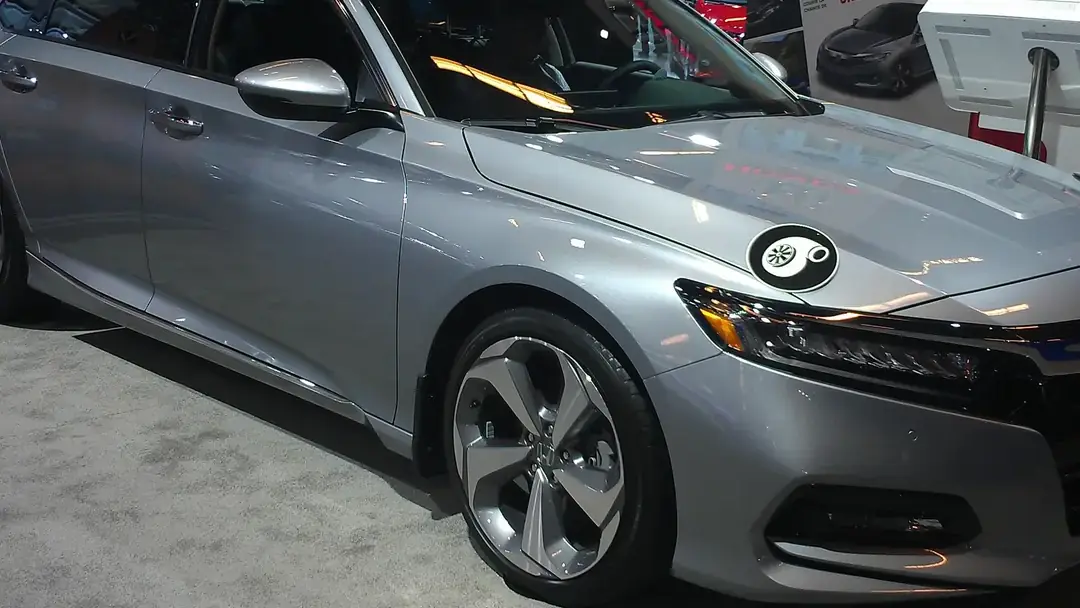
- Honda and Acura: four recalls in five years: 2015–2019 V6 Accord, TLX and MDX models with particles reducing pump performance (19V060), more 2018–2020 models in 2020 (20V314) and 2021 (21V215), then 2013–2023 models in 2023 (23V858).
- Toyota and Lexus: two recalls in 2020, about 1.83 million and 1.53 million vehicles, covering Camry, Corolla, RAV4, Highlander, Tacoma, Tundra, 4Runner, Sienna and Lexus models from model years 2013 to 2020 (20V012, 20V682).
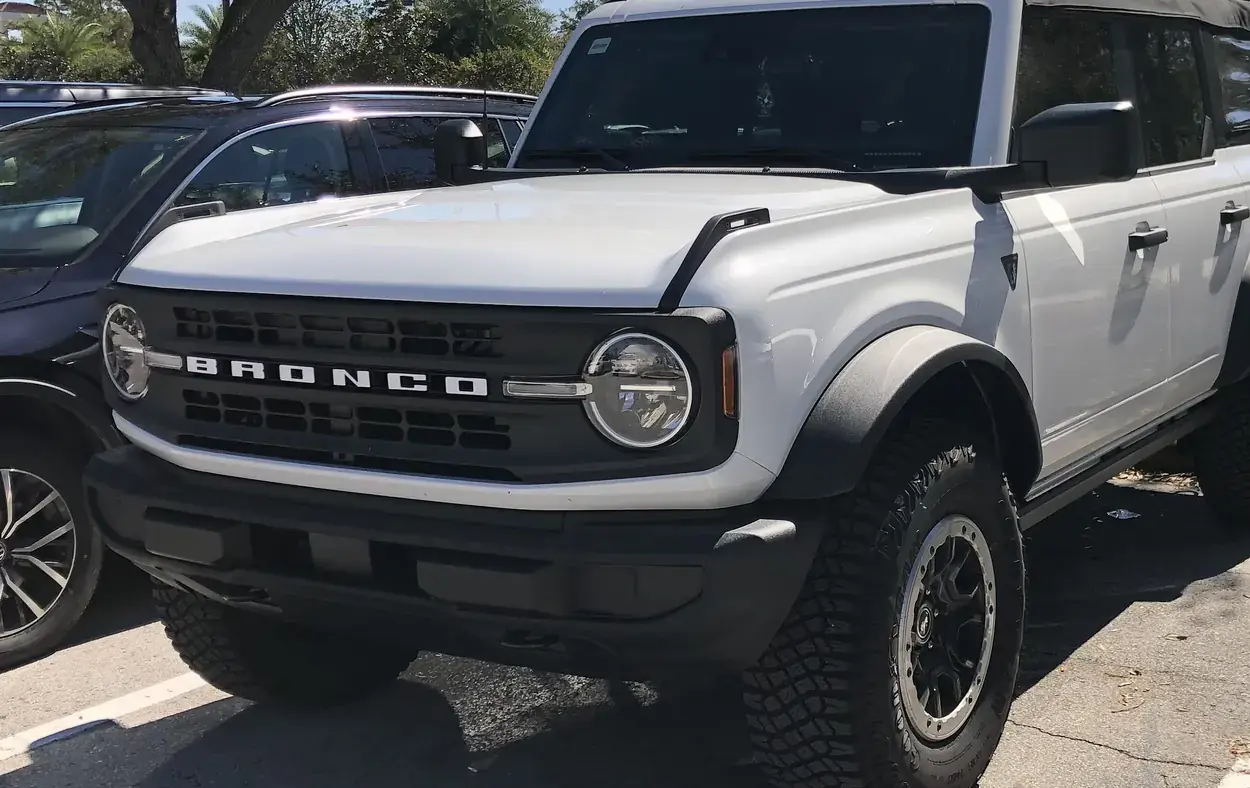
- Ford: about 850,000 2021–2023 Bronco, Explorer, F-150, Super Duty, Mustang and Lincoln models in 2025, because the low-pressure pump can fail and stall the engine (25V455). Trade press reported Ford’s finding that a supplier’s pump chamber wasn’t built to specification, see WardsAuto.
- Volkswagen: 2006–2010 Passat and 2009–2016 CC in 2017 because an interruption in power to the pump control module could stop the pump (17V509).
Fuel pump recalls in 2026
Pump recalls are still coming. In 2026 Toyota recalled about 9,100 Lexus RC, GS and IS models (26V222), and GM recalled 2025–2026 Silverado 3500 and Sierra 3500 trucks with dual fuel tanks because the rear pump may not move fuel to the front tank (26V129). The most telling one is Ford’s:
| Filed | Vehicles (NHTSA wording) | Problem | Units | Repaired |
|---|---|---|---|---|
| Mar 2026 26V129000 | Certain 2025-2026 Chevrolet Silverado 3500, and GMC Sierra 3500 vehicles with gasoline engines and dual fuel tanks (RPOs L8T and N2N) | Engine Stall Due to Disabled Rear Fuel Pump | 11,807 | 70% |
| Mar 2026 26V158000 | Certain 2020-2022 F-Super Duty F250, F350, F450, F550, 2021-2022 F600, and 2022 F750 vehicles previously repaired incorrectly under recall number 24V957 | High Pressure Fuel Pump May Fail | 9,839 | 32% |
| Apr 2026 26V222000 | Certain 2015-2022 Lexus RC, 2016-2020 GS, and 2022 IS vehicles | Fuel Pump May Fail | 9,139 | – |
Vehicle descriptions are NHTSA’s own summary wording; “repaired” is the share the manufacturer reports as fixed, and new campaigns start near zero. Source: NHTSA recalls file and US DOT completion data, retrieved Oct 6, 2026.
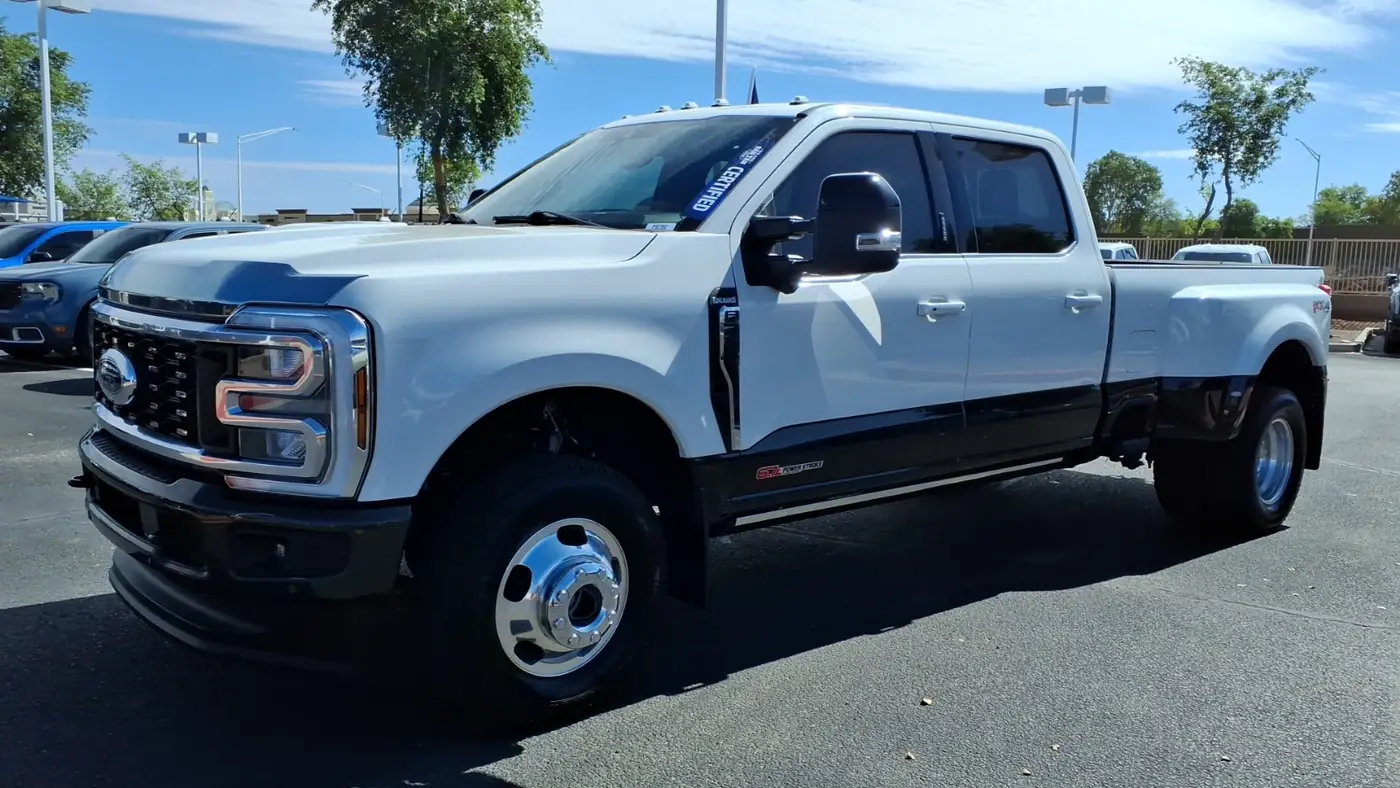
In March 2026 Ford recalled 2020–2022 F-250 to F-550 Super Duty trucks and some larger models “previously repaired incorrectly under recall number 24V957,” where biodiesel deposits can build up on the high-pressure diesel pump and cause it to fail. NHTSA’s record states:
“High pressure fuel pump failure can cause a loss of drive power, increasing the risk of a crash.”NHTSA recall record for Ford campaign 26V158, nhtsa.gov
Only about 13% of the 24V957 trucks are reported repaired, and about 32% for 26V158. Press coverage in October 2026 reports a judge has allowed a class action over these pumps to go ahead, see Pickup Truck +SUV Talk. If you own a Super Duty from these years, confirm both recalls are closed on your VIN.
Other fuel system recalls: tanks, injectors and purge valves
Not every fuel recall is about the pump. The other large ones involve leaks that can cause a fire, and vapor-system faults that can stall the engine:
- Ford Focus 2012–2018 (2.0-liter): about 1.28 million, recalled in 2018 because a stuck canister purge valve can cause excessive vacuum in the fuel vapor system and stall the engine (18V735). Only about 65% are reported repaired.
- Ford Escape 2020–2023 and Bronco Sport 2021–2024 (1.5-liter): a fuel injector may crack and leak fuel in the engine compartment, a fire risk (22V859, then 25V467 covering about 694,000).
- Ford Fusion and Mercury Milan 2010–2011: fuel tank may crack from pressure changes (15V793).
Fire-risk recalls are also covered in our car fire statistics and park-outside recall list. If a recall says a stalled or stopped car could catch fire, treat it as urgent.
Signs of a failing fuel pump
| Sign | What it can mean | What to do |
|---|---|---|
| Long cranking before the engine starts | The pump is slow to build pressure | Check for an open recall on your VIN; get it tested soon |
| Sputtering or surging at highway speed | Pump or relay delivering fuel unevenly | Get it checked; avoid long highway trips until it is |
| Whining from the fuel tank | A worn or struggling pump | Note when it started and ask a shop to test fuel pressure |
| Loss of power under load | Pump can’t keep up with demand | Don’t tow or load the car; get it tested |
| Stalling, or not restarting | Pump failure, the risk in the recalls above | Coast to a safe place, use hazard lights, call for help; report it to NHTSA |
| Fuel smell or visible leak | Cracked pump housing, line or tank | Stop, switch off, keep away from ignition sources, and have it towed |
Repair shop sites quote roughly $400 to $1,200 to replace a pump, without sourcing their figures; get a written estimate, and if a recall covers your car, the repair is free. If the engine stalls while driving, also report it to NHTSA, since complaint patterns are how recalls start. For used cars, run the VIN through our VIN decoder and follow the used car inspection checklist. Related problem areas: engine and electrical faults can look like a bad pump, and a fuel pump relay fault is one of the Jeep and Dodge power-module recalls.
For leaks from fuel lines, tanks and injectors see our fuel leak and injector recalls guide.
Complaint and recall figures are PlainVIN’s analysis of NHTSA’s files and update when we refresh the data; complaints are owner reports, not verified defects. This guide is general information, not mechanical advice.
Frequently asked questions
Which cars have the most fuel pump problems?
By recall size, Honda and Acura lead, with four fuel pump recalls since 2019, followed by Toyota and Lexus (about 1.8 million and 1.5 million vehicles in 2020) and Ford (about 850,000 in 2025). In NHTSA’s complaint file, the Chevrolet Trailblazer, Jeep Wrangler, Nissan Xterra, Ford Escape and Honda CR-V draw the most fuel system complaints.
How serious is the Honda fuel pump recall?
NHTSA’s record for Honda’s 2023 recall says fuel pump failure can cause an engine stall while driving, increasing the risk of a crash. It covers 2013–2023 Accord, Civic, CR-V, HR-V, Odyssey, Ridgeline and Acura models, and follows earlier Honda pump recalls in 2019, 2020 and 2021.
What are the first signs of fuel pump failure?
Long cranking before the engine starts, sputtering or surging at highway speed, a whine from the tank, loss of power under load, and stalling. A fuel smell or leak is more urgent: stop and have the car towed.
Can I drive with a fuel pump recall?
Fuel pump recalls are not do-not-drive orders, but the risk is a sudden stall, so schedule the free repair promptly and avoid long highway trips and towing until it is done. Read the owner letter for any interim advice.
Is there a recall on the Ford Super Duty diesel fuel pump?
Yes. Ford recalled 2020–2022 Super Duty trucks in 2024 (24V957) because biodiesel deposits can cause the high-pressure pump to fail, then recalled them again in 2026 (26V158) because they had been previously repaired incorrectly. Check both on your VIN.
How much does it cost to replace a fuel pump?
Repair shop sites quote roughly $400 to $1,200, without sourcing, and costs vary by car. If an open recall covers your vehicle, the repair is free, so check your VIN first.
How do I check if my car has a fuel pump recall?
Enter the 17-character VIN at nhtsa.gov/recalls or on the automaker’s owner site. Our VIN decoder also links to your model year’s recall page.
About the PlainVIN Recalls & Safety Desk
This desk covers recall campaigns and completion rates, owner complaints filed with NHTSA, and NHTSA 5-Star Safety Ratings.
Every figure in this guide links to its primary source. See our editorial policy, how we use AI and corrections log.
How this page was madeSources, processing, limits, review and changes
Data sources
- NHTSA owner complaints file (components: fuel system; fuel/propulsion system) and recalls file, including campaigns 19V060, 20V314, 21V215, 23V858, 24V763, 20V012, 20V682, 26V222, 25V455, 24V957, 26V158, 26V129, 17V509, 18V735, 22V859, 25V467, 15V793, 16V777, 09V419, 12V459, 05V034, 09V003 and 07V291
Retrieved Oct 6, 2026 - NHTSA recall record, Honda campaign 23V858
nhtsa.gov - NHTSA recall record, Ford campaign 26V158
nhtsa.gov - WardsAuto, Ford recalls 850K vehicles for fuel pump failures (Eric Walz, July 14, 2025)
wardsauto.com - Pickup Truck +SUV Talk, Judge OKs class action lawsuit against Ford for faulty fuel pumps (October 2026)
pickuptrucktalk.com
Processing
- Complaints are counted per component. One complaint can list several, so component totals add up to more than the total.
- Fuel cost = miles per year ÷ EPA combined mpg × EIA weekly price for your region.
Limitations
- Complaint counts are owner reports, not verified findings or failure rates. There is no sales denominator.
- Recall campaigns are listed for the model year. Only NHTSA and the automaker know whether a specific car was repaired.
- Recent model years are still collecting reports.
Review
Researched by Daniel B. and Olivia C., technical check by Ethan B., edited by Sophia M. (see the editorial team page). Drafted with AI assistance and checked against primary sources by the Recalls & Safety desk.
Changelog
- 2026-10-06 Data refreshed from the official files.
Keep reading