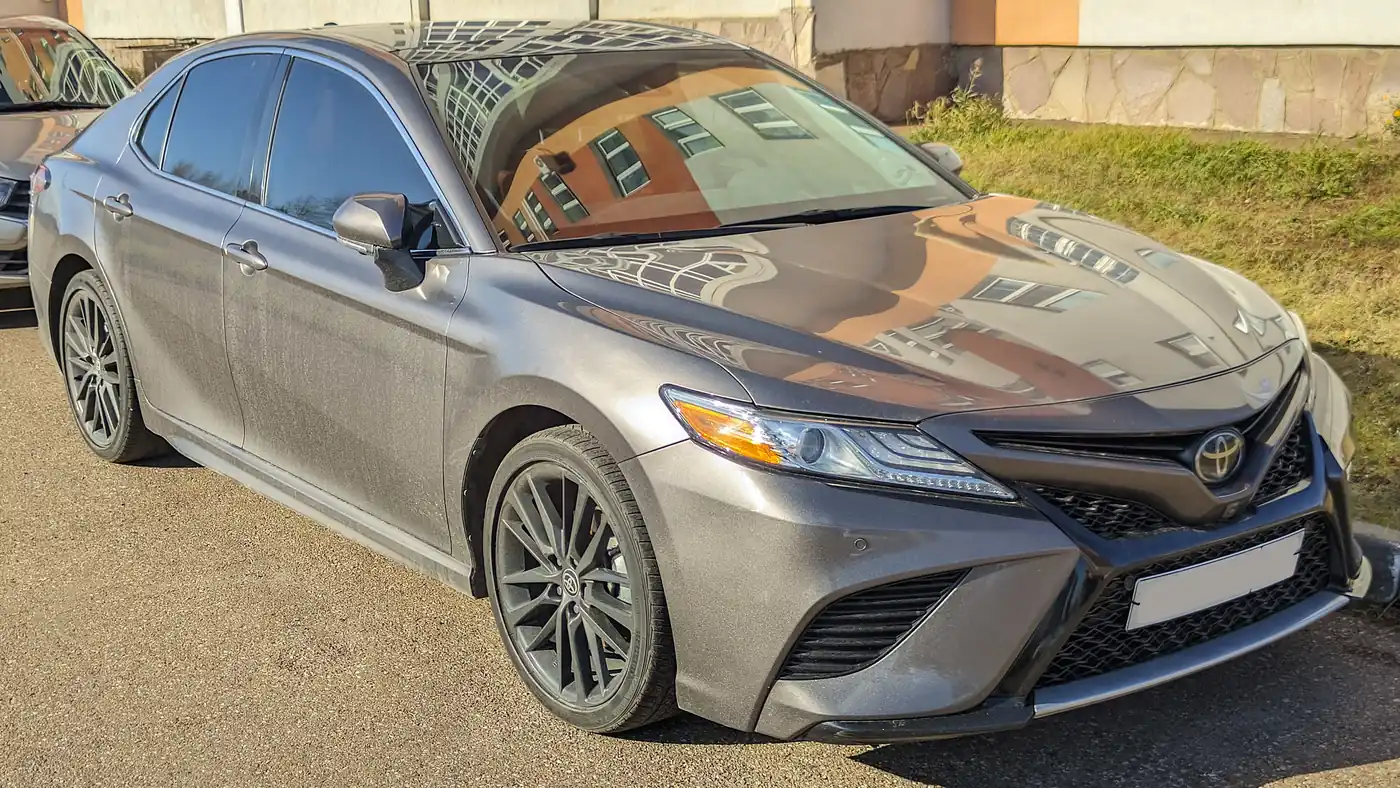
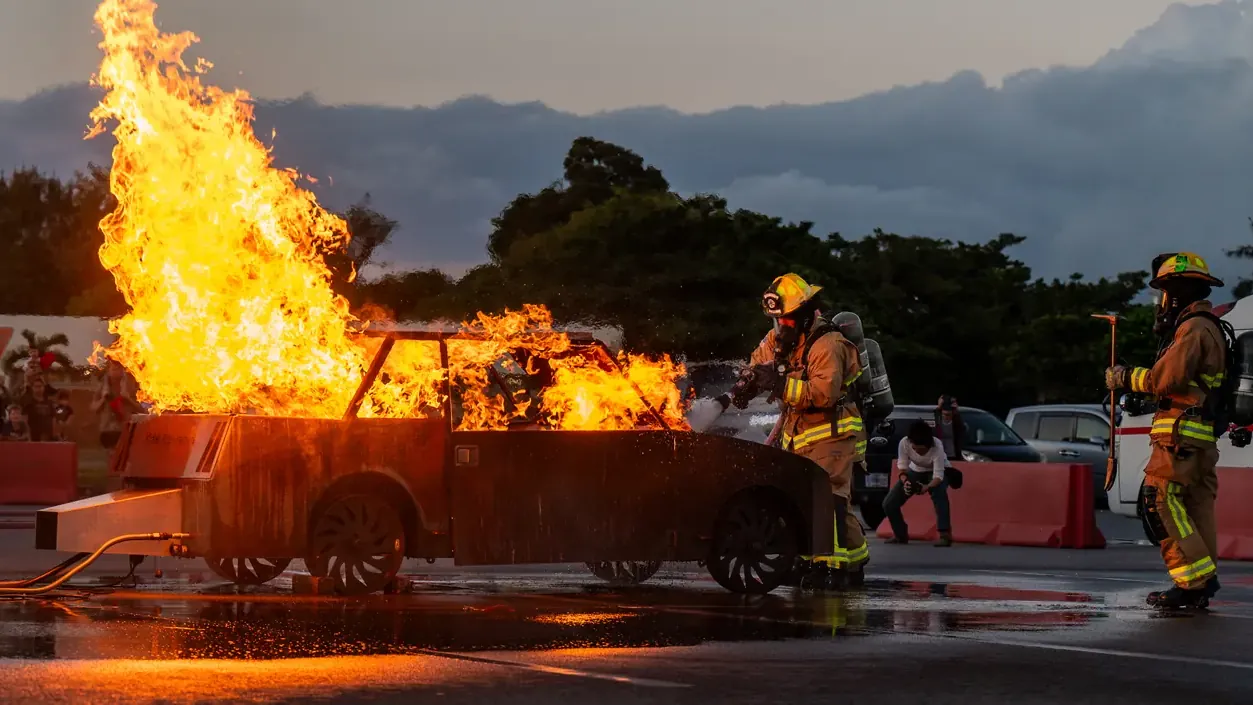
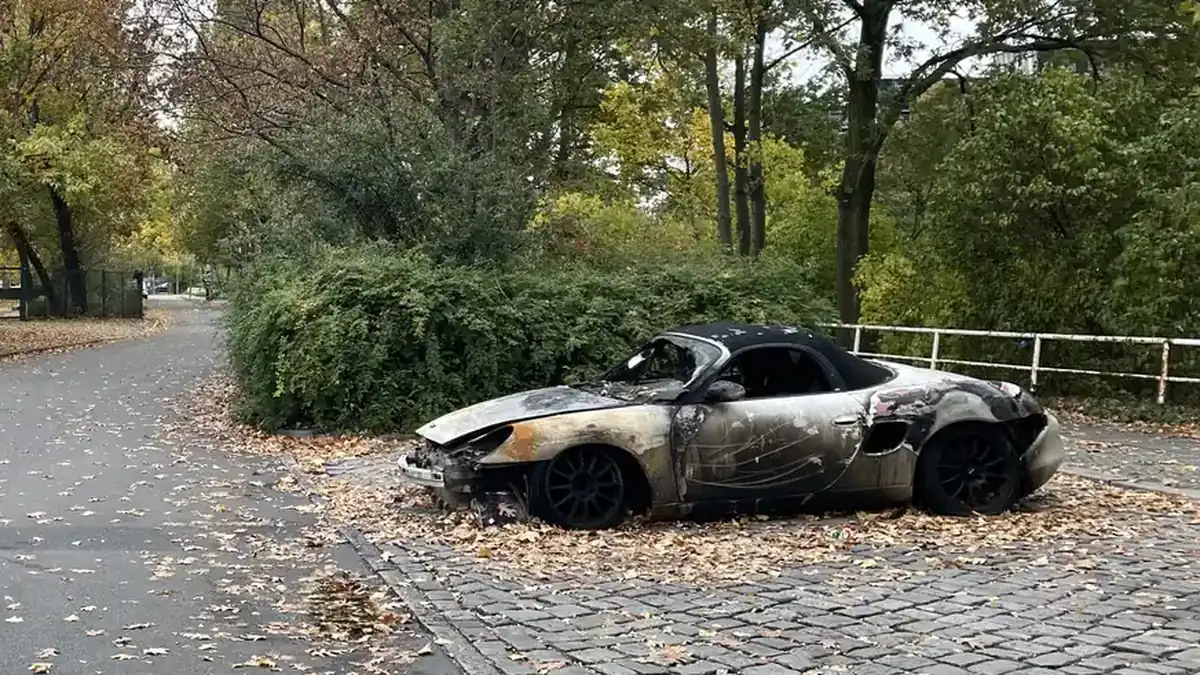
Fuel Leak Recalls: Injectors, Lines, Tanks and Fire Risk
485 car recalls where fuel can leak from an injector, line, tank or filler neck. See Ford’s Escape injector chain, the 1.56M Jeep tank recall and what to do.
Key takeaways
- We count 485 car recalls where fuel can leak from an injector, line, rail, tank or filler neck: about 37.8 million vehicles, with overlap. 432 name a fire risk.
- The newest large one, Ford’s 25V467, covers 694,271 1.5L Escape and Bronco Sport models whose fuel injector may crack. It replaces three earlier recalls reported as 100% repaired.
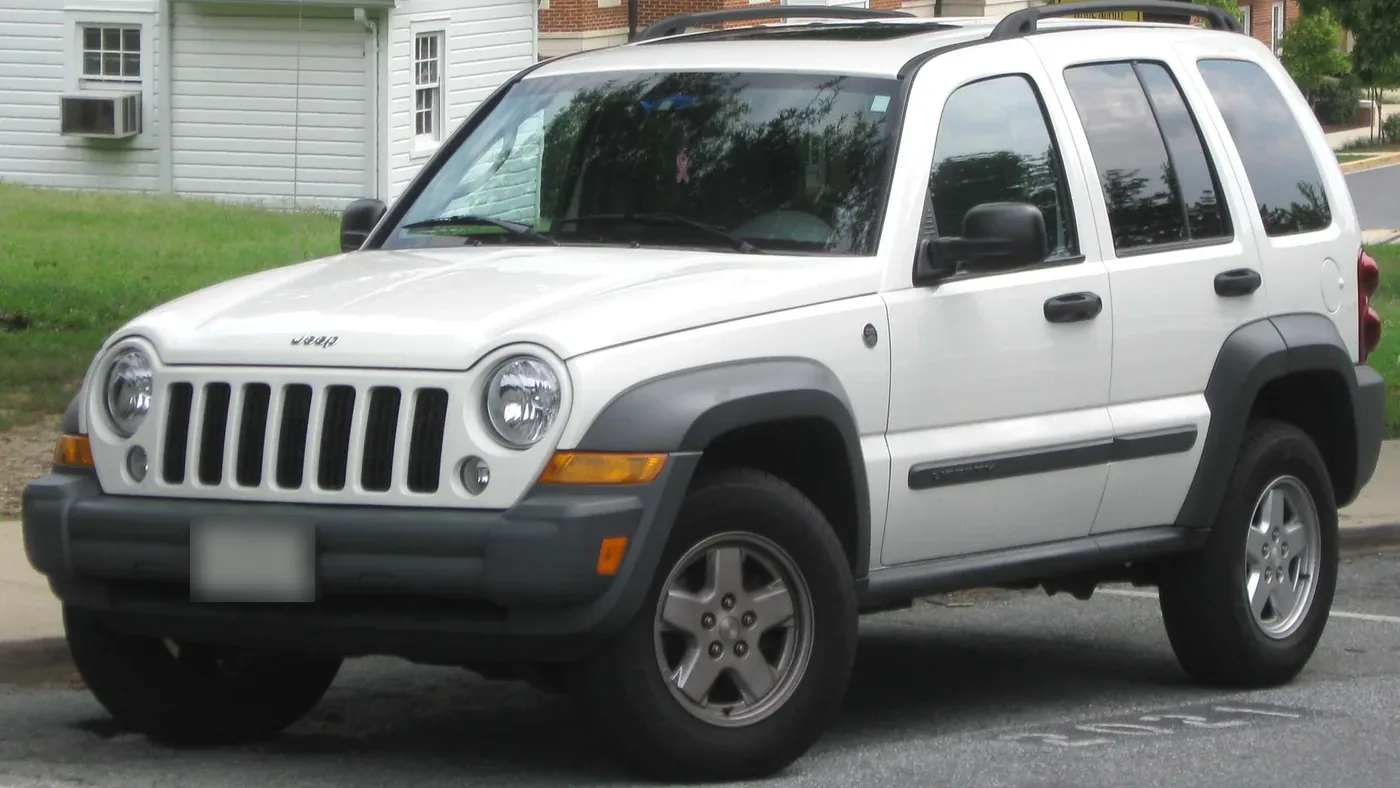
- Chrysler’s 13V252 for 1.56 million older Jeep Grand Cherokee and Liberty models, whose tanks can leak after a rear impact, is 35.85% repaired: about 1 million notices open.
- None carries NHTSA’s park-outside flag; two say do not drive. Repairs are free.
A fuel leak recall means gasoline or diesel can escape from a cracked injector, a fuel line or hose, the fuel rail, the tank or the filler neck, and in almost nine of ten NHTSA records the risk named is a fire. This guide groups every such recall for a car in our catalog by the part that leaks, with the models, the repair rates and the recalls that had to be filed again.
Fuel leak recalls in numbers
NHTSA has no fuel-leak category, so we read all 596 car recalls that mention a fuel leak, line, hose, rail, tank, filler or injector. We set aside 62 where the failing part is the fuel pump or its module (see our fuel pump recalls guide), 46 that are not about a leak (fuel gauges, brake lines, static sparks) and 15 for natural gas or propane, and added 12 leak recalls a wider search found. That leaves 485.
| What leaks | Recalls | Vehicles | Name a fire | Repaired |
|---|---|---|---|---|
| Fuel injectors and injector lines | 14 | 1,619,584 | 13 | see text* |
| Fuel lines, hoses, rails, fittings, sensors and regulators | 202 | 15,806,624 | 182 | 71% |
| Fuel tanks, straps, mounts and tank seals | 161 | 9,853,138 | 142 | 44% |
| Filler necks, caps, vents and vapor (EVAP) parts | 108 | 10,560,234 | 95 | 72% |
Source: NHTSA recalls file and US DOT completion data, retrieved Oct 6, 2026; each record classified by PlainVIN. “Repaired” is weighted by vehicles, for recalls with a reported rate only. *The injector rates belong mostly to recalls Ford has since replaced; see the next section. Campaigns can cover the same cars, so counts are not additive. Many records from the 1980s have no consequence text, so the fire count is a minimum.
Most are old: 304 were filed before 2010 and 73 since 2020. Only 149 have a repair rate; across those, about 3.2 million notices are open, almost a third of them in one Jeep recall (see fuel leaks after a crash).
| Filed | Vehicles (NHTSA wording) | Problem | Units | Repaired |
|---|---|---|---|---|
| Jul 2025 25V467000 | Certain 2021-2024 Bronco Sport and 2020-2022 Escape vehicles equipped with 1.5L engines | Cracked Fuel Injector May Leak and Cause a Fire | 694,271 | – |
| Nov 2022 22V859000 | Certain 2020-2023 Escape and 2021-2023 Bronco Sport vehicles equipped with 1.5L engines | Cracked Fuel Injector May Leak and Cause a Fire | 521,746 | 100% |
| Feb 2024 24V110000 | Certain front-wheel drive 2015-2020 Audi A3 Sedan, 2015-2019 Audi A3 Cabriolet, 2019-2020 Volkswagen Jetta GLI, 2018 Golf Sportwagen GP, 2018-2019 Golf Sportwagen A7 and others | Fuel Leak from Fuel Tank Suction Pump Failure | 261,257 | 57% |
| Nov 2025 25V794000 | Certain 2021-2024 K5 vehicles | Fuel Tank May Leak | 250,547 | 37% |
| Sep 2026 26V578000 | Certain 2023-2027 F-150 vehicles | Fuel Tank May Leak or Detach | 223,472 | – |
| Oct 2020 20V648000 | Certain 2016-2018 Jetta vehicles | Fuel Rail Bolts May Loosen Allowing Fuel Leak | 218,192 | 68% |
| Feb 2020 20V121000 | Certain 2013-2014 Sonata vehicles | Low Pressure Fuel Hose May Crack and Leak | 216,799 | – |
| May 2022 22V312000 | Certain 2013-2014 Sonata vehicles | Low Pressure Fuel Hose May Crack and Leak | 215,171 | 58% |
| Nov 2024 24V900000 | Certain 2023-2024 Passport and 2023-2025 Pilot vehicles | Fuel Leak from Fuel Filler Pipe Separation | 205,760 | 94% |
| Aug 2023 23V566000 | Certain 2022-2023 Tundra and Tundra Hybrid vehicles | Fuel Leak from Damaged Fuel Tube | 168,179 | 91% |
Vehicle descriptions are NHTSA’s own summary wording; “repaired” is the share the manufacturer reports as fixed, and new campaigns start near zero. Source: NHTSA recalls file and US DOT completion data, retrieved Oct 6, 2026.
Cracked fuel injector recalls: Escape and Bronco Sport
A cracked fuel injector recall today almost always means Ford’s 1.5-liter three-cylinder engine. Four NHTSA records use the same words: “A fuel injector may crack and leak fuel inside the engine compartment,” where hot engine or exhaust parts can ignite it.
| Recall | Vehicles | Remedy in the record | Units | Repaired |
|---|---|---|---|---|
| 22V859 (Nov 2022) | 2020–2023 Escape, 2021–2023 Bronco Sport | Software with injector leak detection, plus a drain tube | 521,746 | 100% |
| 24V187 (Mar 2024) | 2022–2023 Bronco Sport, 2022 Escape | Same fix; expansion of 22V859 | 42,652 | 100% |
| 25V165 (Mar 2025) | 2020–2022 Escape, 2021–2023 Bronco Sport “previously repaired incorrectly” | Powertrain control module software | 33,576 | 100% |
| 25V467 (Jul 2025) | 2020–2022 Escape, 2021–2024 Bronco Sport | Interim: software. Final: new high-pressure fuel rail assembly and injectors | 694,271 | – |
Source: NHTSA recalls file, retrieved Oct 6, 2026. All 1.5L engines; one vehicle can be in several campaigns.
“Vehicles previously remedied under 22V-859, 24V187, and 25V165 will need to have the new final remedy performed once it is available.”NHTSA recall record 25V467, Ford, nhtsa.gov
So the 100% rates in the first three rows describe software and drain-tube fixes that the 2025 recall replaces. In our Oct 6, 2026 data, 25V467 says the final remedy was “anticipated in July 2026” and has no repair rate yet. Ask a Ford dealer whether the new fuel rail and injectors have been fitted to your VIN. See our Ford Escape and Ford Bronco Sport pages. Older injector recalls are smaller, such as Volkswagen’s 11V490 for 168,275 2009–2012 Jetta, Golf and Audi A3 TDI diesels whose number 2 injector line could crack.
Fuel line, hose and fuel rail recalls
Lines, hoses and rails are the largest group, with 202 recalls: a loose fitting or worn seal drips or sprays fuel next to hot engine parts.
Big older campaigns. The largest record in the set is Ford’s 87V139 for 3.6 million 1986–1988 cars and trucks whose spring-lock fuel line couplings might not be engaged. DaimlerChrysler’s 00V268 covers 1,163,000 1996–2000 Chrysler, Dodge and Plymouth minivans with 3.3L and 3.8L engines, whose fuel rail O-rings “can degrade over time.” GM’s 04V090 covers 910,873 Buick, Chevrolet, Oldsmobile and Pontiac models with the 3800 V6, whose leaking fuel pressure regulators could lead to a backfire that pulls an injector out of place. None has a repair rate in the file.
Recent pipe and rail leaks. In April 2026 Kia recalled 141,032 2022–2026 Carnivals and Genesis 94,760 G80, GV70, GV80 and G90 models (26V232, 26V229) because “fuel may leak at the pipe connection between the fuel pipe and fuel rail.” The Kia record shows 7.68% repaired. Toyota’s 23V566 covers 168,179 2022–2023 Tundras whose plastic fuel tube can chafe on the brake lines (91% repaired), and Lexus’s 14V647 covers 422,509 2006–2011 IS and GS and 2007–2010 LS models that can leak at the fuel pressure sensor (72%).
Fuel tank recalls: cracks, straps and punctures
The 161 tank recalls cover tanks that crack or melt, straps and frames that rust until the tank drops, and other parts that can puncture the tank.
Melting tanks. In November 2025 Kia recalled 250,547 2021–2024 K5 sedans and Hyundai 85,043 2020–2023 Sonatas (25V794, 25V796): “A damaged check valve can allow air to enter the fuel tank, causing it to expand and contact hot exhaust components, melting the tank.” Dealers replace the valve and inspect the tank. Only 37% of the K5s and 41% of the Sonatas are reported repaired, which leaves about 157,000 K5 notices open. See our Kia K5 page.
Tanks that can come loose. In September 2026 Ford recalled 223,472 2023–2027 F-150 pickups because the tank “may be improperly secured and leak fuel, or detach from the vehicle while driving” (26V578); there is no repair rate yet. Road-salt recalls for corroded straps or frames cover 1.1 million 1997–2004 F-150 and 1997–1999 F-250 trucks (11V385), the 2009–2012 Ram 1500 (18V160, 46% repaired), the 2006–2014 Honda Ridgeline (22V430, 53%) and the 2007–2008 Ford Edge and Lincoln MKX (14V682, 27%). Our rust and corrosion recalls guide lists the states.
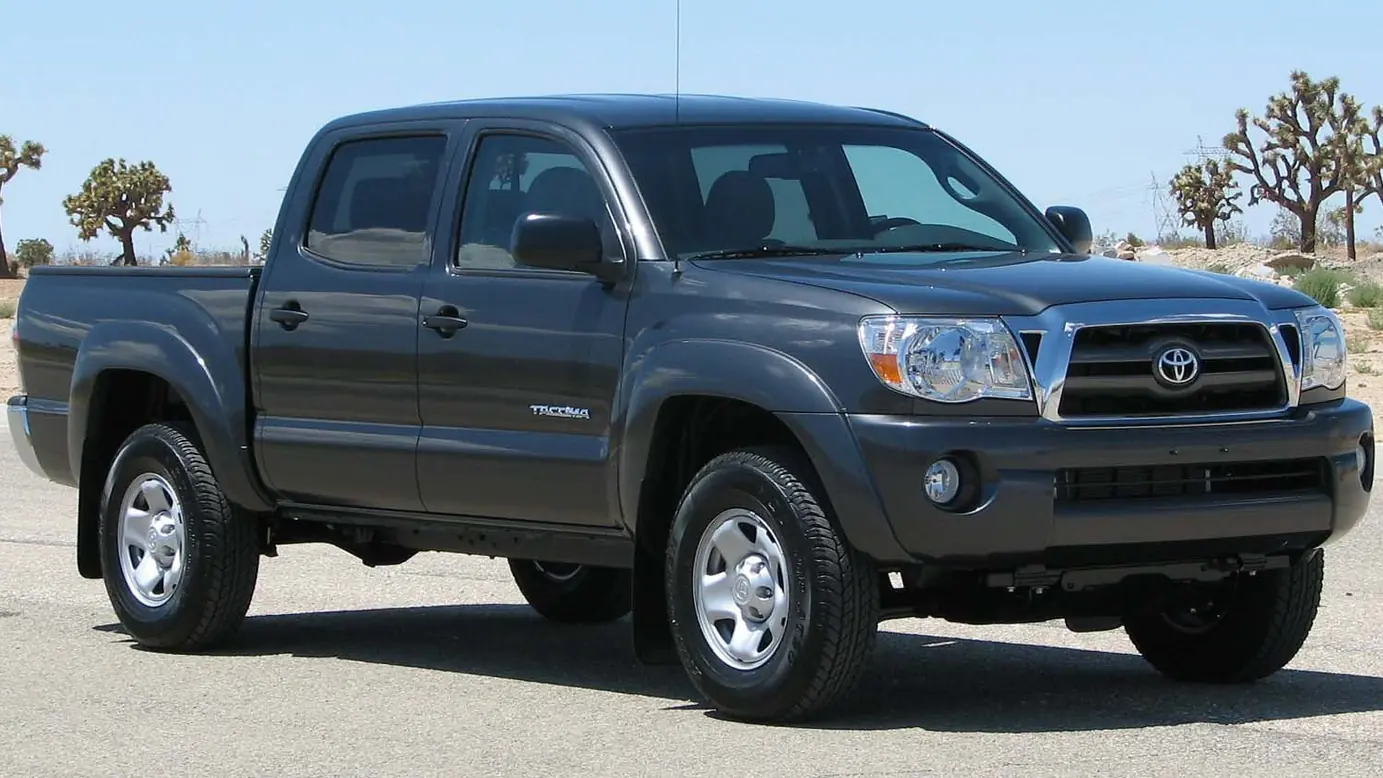
Punctures. A broken rear leaf spring can puncture the tank of 710,711 2005–2011 Toyota Tacoma Pre-Runner and 4×4 trucks built from September 2009 to October 2010 (14V604). Only 48% are repaired, leaving about 372,000 notices open, the second most in this guide; the spring is covered in our suspension recalls guide.
Filler neck, fuel cap and vapor system leaks
Fuel can also escape where it goes in, or through the vapor (EVAP) system that vents the tank. Honda recalled 205,760 2023–2024 Passport and 2023–2025 Pilot SUVs because “the fuel filler neck tube and fuel filler pipe may separate, allowing fuel to leak” (24V900, 94% repaired); see our Honda Pilot page. Volkswagen’s 24V110 covers 261,257 2015–2020 Golf, GTI, Golf SportWagen, Jetta GLI and Audi A3 models: a seal in the suction jet pump inside the tank can let fuel into the EVAP system and out of the charcoal canister. It replaces a 2016 recall of the same cars (16V647), and 57% are repaired. Older filler recalls are mostly about road salt, such as Honda’s 92V028 for 1982–1987 Accords and 1983–1987 Preludes, whose filler and breather pipes could rust through.
Fuel leaks after a crash
Federal Motor Vehicle Safety Standard 301, “Fuel System Integrity,” limits how much fuel may spill in crash and rollover tests. 64 of the 485 records cite it, covering about 3.6 million vehicles. Recent ones include 268,799 2014–2016 Mazda CX-5s whose filler pipe may rupture in a crash (16V064, 82% repaired) and 38,710 2025–2026 Volkswagen Taos models whose fuel pressure sensor can separate from the tank in a rear-end crash (26V258, 52%).
The largest post-crash recall is not an FMVSS 301 case. Chrysler’s 13V252 covers 1,560,000 1993–1998 Jeep Grand Cherokee and 2002–2007 Jeep Liberty models:
“The fuel tanks in these vehicles are at risk of failure and leakage in certain rear impacts.”NHTSA recall record 13V252, Chrysler, nhtsa.gov
The remedy is an inspection of the rear structure and, on Jeeps without one, a Chrysler-designed tow hitch; aftermarket hitches with sharp edges are replaced. The recall began August 1, 2014, and 35.85% are reported repaired, leaving about 1 million notices open, the most of any recall in this guide. If you bought one of these Jeeps used, check its VIN: an open recall stays with the vehicle, not the owner. See our Jeep Liberty page and the tow hitch recalls guide.
Recalls that needed a second fix
- Hyundai Sonata 2013–2014: heat could crack the low-pressure fuel hose. The 2020 fix (20V121) was an inspection and heat-protective tape; 22V312 replaces the hose on cars that did not get a new one. 58% are repaired.
- Kia Optima 2013–2014: the same hose problem. 22V093 recalled 72,848 Optimas “previously repaired under NHTSA recall number 20V-100.”
- Ford Escape 2013 (1.6L): 12V336 told owners to stop driving until a split fuel line was replaced; 13V584 recalled the same cars because the new line “may have been installed incorrectly.”
- Nissan Juke 2011–2012: 18V156 re-recalled 49,385 Jukes whose fuel pressure sensor was not tightened properly during the 12V069 repair.
Ford’s injector chain above is the largest example. An earlier repair does not rule out a newer recall, so check the VIN after every fix. A service bulletin is not a recall.
Smell of gasoline: what the records say
23 of the 485 records name a fuel odor as a sign. Some pair it with a warning light, as in Ford’s 2004 F-150 tank recall, where fuel could permeate a dented tank wall and cause a fuel odor, a lit “service engine soon” light or a leak (04V443). Others mention dampness or dripping at a fuel line connection, as on the 2001 Escape and Tribute (00V277). 18 records say the leak or its cause can stall the engine, as in Ford’s 2026 F-150 tank recall. Fires in general are covered in our car fire statistics, and engine faults beyond fuel in cars with engine problems.
Park outside or stop driving?
None of the 485 carries NHTSA’s park-outside flag, and none of their remedy texts tells owners to park outdoors. Two carry the do-not-drive flag: Ford’s 12V336 for 9,320 2013 Escapes with the 1.6L engine, and Mazda’s 15V621 for 14,411 2015–2016 Mazda3s, whose fuel shut-off valve can let fuel into the emissions system and onto the ground. Both are in our do-not-drive recall list.
Fuel leak recalls with the park-outside flag do exist for vehicles outside our model catalog: a Tiffin motorhome, a Crestline Coach vehicle, a Hyundai hydrogen vehicle and Subaru’s 26V106 for 69,870 2026 Crosstrek hybrid and 2025 Forester hybrid models, whose fuel cap gasket may not seal when a full tank warms up.
“Owners are advised to park outside and away from structures, and to limit the fuel level to 50% until the remedy is completed.”NHTSA recall record 26V106, Subaru, nhtsa.gov
Our park-outside recall list covers every flagged recall.
What to do if your car has one
- Check your VIN at nhtsa.gov/recalls or with our VIN decoder. Engine size matters: Ford’s injector recalls cover only the 1.5L, and the 2021 Kia and Hyundai pipe recalls only the 2.5L turbo.
- Follow the notice. Do not drive if it says so, and park outside if it says so.
- Take a fuel smell seriously. If you smell gasoline or see fuel under the car, do not start it near anything that can ignite fuel, and have it inspected or towed.
- Report a leak in a complaint to NHTSA, especially if your car is not recalled.
Recall figures are PlainVIN’s analysis of NHTSA’s files and update when we refresh the data. “Reported repaired” is the automaker’s figure; new recalls have little or none yet. The grouping and the fire, odor, stall and car-only counts are our reading of each record. This is general safety information, not mechanical advice for a specific vehicle.
Frequently asked questions
Which cars have a fuel leak recall?
The largest recent ones are Ford 25V467 (694,271 1.5L Escape and Bronco Sport models), Kia 25V794 (250,547 2021–2024 K5) and Ford 26V578 (223,472 2023–2027 F-150). Check your VIN at nhtsa.gov/recalls.
What is the Ford fuel injector recall?
On 1.5L Escape and Bronco Sport models a fuel injector may crack and leak fuel in the engine compartment, a fire risk. Recall 25V467 replaces 22V859, 24V187 and 25V165: dealers update software as an interim fix and will replace the high-pressure fuel rail and injectors, even on vehicles repaired under the earlier recalls.
Can a fuel leak cause a car fire?
Yes. 432 of the 485 fuel leak recall records we count name a fire risk, usually because leaking fuel can reach hot engine or exhaust parts. Older records often have no consequence text, so this count is a minimum.
Is it safe to drive if my car smells like gasoline?
A gasoline smell is the warning sign named most often in these recall records. Do not start the car near anything that can ignite fuel, have it inspected or towed, and check whether a recall covers your VIN.
Do I need to park outside for a fuel leak recall?
None of the 485 car recalls in this guide carries NHTSA’s park-outside flag. Two say not to drive: Ford 12V336 (2013 Escape 1.6L) and Mazda 15V621 (2015–2016 Mazda3). Subaru’s 26V106 for 2026 Crosstrek and 2025 Forester hybrids does advise parking outside.
Why was my car recalled again for the same fuel leak?
Some first repairs did not hold. Ford re-recalled 1.5L Escapes and Bronco Sports three times, and Hyundai replaced the 2013–2014 Sonata fuel hose under 22V312 after a taping fix. Check your VIN after every repair.
Is a fuel leak recall repair free?
Yes. Recall repairs are free at a franchised dealer, and some automakers provide a rental while a do-not-drive recall is open, as Ford and Mazda did for 12V336 and 15V621.
About the PlainVIN Recalls & Safety Desk
This desk covers recall campaigns and completion rates, owner complaints filed with NHTSA, and NHTSA 5-Star Safety Ratings.
Every figure in this guide links to its primary source. See our editorial policy, how we use AI and corrections log.
How this page was madeSources, processing, limits, review and changes
Data sources
- NHTSA recalls file, including campaigns 00V268, 04V090, 04V443, 09V020, 11V385, 11V490, 12V069, 12V336, 13V252, 13V584, 14V002, 14V604, 14V647, 14V682, 15V621, 15V712, 16V064, 16V647, 17V664, 18V156, 18V160, 18V304, 19V088, 20V100, 20V121, 20V648, 21V519, 21V524, 22V093, 22V312, 22V430, 22V859, 23V566, 24V110, 24V187, 24V900, 25V165, 25V467, 25V536, 25V794, 25V796, 26V106, 26V229, 26V232, 26V258, 26V578, 87V139, 92V028, 95V244, 97V159, 98V130 and 98V184
Retrieved Oct 6, 2026 - NHTSA recall record, Ford campaign 25V467
nhtsa.gov - NHTSA recall record, Chrysler campaign 13V252
nhtsa.gov - NHTSA recall record, Subaru campaign 26V106
nhtsa.gov - NHTSA recall record, Kia campaign 25V794
nhtsa.gov - NHTSA, Report a Safety Problem
nhtsa.gov
Processing
- Complaints are counted per component. One complaint can list several, so component totals add up to more than the total.
- Fuel cost = miles per year ÷ EPA combined mpg × EIA weekly price for your region.
Limitations
- Complaint counts are owner reports, not verified findings or failure rates. There is no sales denominator.
- Recall campaigns are listed for the model year. Only NHTSA and the automaker know whether a specific car was repaired.
- Recent model years are still collecting reports.
Review
Researched by Daniel B. and Olivia C., technical check by Ethan B., edited by Sophia M. (see the editorial team page). Drafted with AI assistance and checked against primary sources by the Recalls & Safety desk.
Changelog
- 2026-10-06 Data refreshed from the official files.
Keep reading