Power Steering Problems: Loss of Assist, Recalls and Which Cars
Why power steering fails, the cars and model years with the most steering complaints to NHTSA, the loss-of-assist recalls from GM, Ford, Hyundai, Honda and Tesla, and what to do if your steering goes heavy.
Key takeaways
- A sudden loss of power steering makes the wheel heavy, especially at low speed and when parking. In many newer cars, which use electric power steering (EPS), the cause is an electrical fault rather than a fluid leak.
- Steering is named in 137,918 owner complaints to NHTSA (9.0% of all complaints). The model years with the most include the 2010–2012 Ford Fusion, the 2005–2006 Chevrolet Cobalt and Pontiac G6, several Chevrolet Malibu years and the 2022 Honda Civic.
- Many of those complaint clusters ended in recalls: 137 recalls for loss of power steering assist have covered 8.4 million vehicles, including GM, Ford, Hyundai and Tesla campaigns.
- If your steering goes heavy, grip firmly, slow down and pull over. Then check your VIN for an open recall; the repair is free.
Power steering problems range from a whining pump to a sudden loss of assist that leaves the steering wheel heavy and hard to turn. In cars with electric power steering the cause is often an electrical fault, and many of the worst cases have been recalled. This guide explains the causes, uses NHTSA’s complaint file to show which models and years draw the most steering complaints, lists the loss-of-assist recalls, and covers what to do if it happens to you.
What a loss of power steering feels like
The steering doesn’t stop working: the mechanical link from the wheel to the front wheels remains. What disappears is the assist, so turning the wheel suddenly takes far more effort. NHTSA’s recall records describe the risk the same way every time:
“If power steering assist is lost, greater driver effort would be required to steer the vehicle at low speeds, increasing the risk of a crash.”NHTSA recall record for GM campaign 14V153, nhtsa.gov
At highway speeds you may barely notice, but in a parking lot, at a junction or in a sharp turn the extra effort can catch drivers off guard. Many cars with electric steering also show a steering warning light when the system shuts down.
What causes it: hydraulic vs electric
- Hydraulic power steering, common on older cars and some trucks, uses an engine-driven pump and fluid. Leaks, a failing pump or a slipping or broken drive belt are the classic causes, often with a whine when turning.
- Electric power steering (EPS) uses an electric motor, a torque sensor and a control module. Faults in the motor, sensor, wiring, connectors or software can make the system shut off assist, sometimes without warning. The recalls below are mostly EPS faults: a torque sensor that can’t read the driver’s input, a motor that fails, a ground connection that loosens, or a circuit board that overheats.
- Mechanical faults in the steering gear, rack, tie rods or shafts cause stiffness, play or, in the worst cases, separation. These are rarer, but they are among the steering recalls too.
How common are steering complaints?
| Model year | Complaints naming it | All complaints | Share |
|---|---|---|---|
| 2004 | 5,362 | 59,762 | 9.0% |
| 2005 | 6,725 | 68,139 | 9.9% |
| 2006 | 8,953 | 70,366 | 12.7% |
| 2007 | 6,907 | 69,574 | 9.9% |
| 2008 | 7,129 | 63,555 | 11.2% |
| 2009 | 7,044 | 42,631 | 16.5% |
| 2010 | 7,238 | 49,326 | 14.7% |
| 2011 | 7,583 | 52,599 | 14.4% |
| 2012 | 7,178 | 52,754 | 13.6% |
| 2013 | 7,349 | 60,543 | 12.1% |
| 2014 | 5,527 | 54,325 | 10.2% |
| 2015 | 4,591 | 51,372 | 8.9% |
| 2016 | 4,646 | 50,596 | 9.2% |
| 2017 | 4,021 | 49,575 | 8.1% |
| 2018 | 3,999 | 47,071 | 8.5% |
| 2019 | 3,520 | 39,712 | 8.9% |
| 2020 | 1,737 | 28,897 | 6.0% |
| 2021 | 1,646 | 26,553 | 6.2% |
| 2022 | 2,127 | 24,253 | 8.8% |
| 2023 | 2,134 | 20,856 | 10.2% |
| 2024 | 1,514 | 15,624 | 9.7% |
| 2025 | 652 | 9,808 | 6.6% |
| 2026 | 191 | 3,137 | 6.1% |
One complaint can name several components. Recent model years are still collecting reports. Source: NHTSA owner complaints file, retrieved Oct 6, 2026; computed by PlainVIN.
Steering’s share of complaints was highest for 2010–2017 models, the same years as many of the loss-of-assist recalls below. For how steering compares with other problem areas, see the most common car problems.
Cars with the most steering complaints
| Model | Model years | Complaints naming it | Share of the model’s complaints |
|---|---|---|---|
| Ford Fusion | 2006–2020 | 5,767 | 25.7% |
| Chevrolet Malibu | 1997–2025 | 5,581 | 28.6% |
| Ford Explorer | 1986–2026 | 4,137 | 12.0% |
| Ford Escape | 2000–2025 | 3,942 | 14.4% |
| Chevrolet Cobalt | 2002–2017 | 3,899 | 48.9% |
| Jeep Wrangler | 1987–2026 | 3,896 | 21.1% |
| Pontiac G6 | 2005–2010 | 3,108 | 52.8% |
| Ram 1500 | 2009–2026 | 2,647 | 22.5% |
| Honda Civic | 1982–2026 | 2,570 | 15.9% |
| Ford F-250 SD | 1997–2025 | 2,484 | 38.3% |
| Hyundai Sonata | 1987–2024 | 2,370 | 14.8% |
| Ford F-150 | 1985–2025 | 2,312 | 6.0% |
Counts of owner reports, not verified defects or rates; models that sold in larger numbers draw more complaints. The share compares with all complaints for that model over the same model years. Source: NHTSA owner complaints file, retrieved Oct 6, 2026; computed by PlainVIN.
| Vehicle | Complaints naming it | Share of that year’s complaints |
|---|---|---|
| 2010 Ford Fusion | 1,662 | 32% |
| 2012 Ford Fusion | 1,473 | 59% |
| 2011 Ford Fusion | 1,429 | 51% |
| 2006 Chevrolet Cobalt | 1,299 | 56% |
| 2006 Pontiac G6 | 1,220 | 64% |
| 2011 Hyundai Sonata | 1,171 | 35% |
| 2005 Chevrolet Cobalt | 1,143 | 69% |
| 2008 Ford Escape | 1,127 | 57% |
| 2018 Jeep Wrangler | 1,116 | 61% |
| 2012 Ford Focus | 927 | 25% |
Source: NHTSA owner complaints file, retrieved Oct 6, 2026; computed by PlainVIN.
Complaint counts are owner reports, not verified defects, and big sellers draw more of every kind of complaint. The share column shows how dominant steering is among each model’s problems: for the Chevrolet Cobalt and Pontiac G6 it is about half of all complaints, against about one in eleven across the whole file. Each model’s best and worst years page shows the problem areas year by year.
Power steering recalls
Unlike many transmission problems, a sudden loss of steering assist is treated as a safety defect, so most of the big complaint clusters above were recalled:
- Chevrolet Cobalt and Pontiac G5, 2005–2010: GM recalled about 1.05 million cars in 2010 because the driver “may experience a sudden loss of power steering assist”; dealers replaced the steering motor (campaign 10V073).
- Chevrolet Malibu, Pontiac G6, Saturn Ion and Aura, Chevrolet HHR and others, 2004–2010: GM recalled about 1.37 million vehicles in 2014 for a sudden loss of electric power steering assist (14V153).
- Ford Escape and Mercury Mariner, 2008–2011: a steering torque sensor might not detect driver input, so the system could remove assist; about 741,000 vehicles were recalled in 2014 for a software update (14V284). Ford also recalled the Explorer (14V286) and the 2011–2012 Fusion (15V340) for loss of power steering assist.
- Hyundai Sonata, 2011: recalled in 2016 for loss of electric power steering assist (16V190).
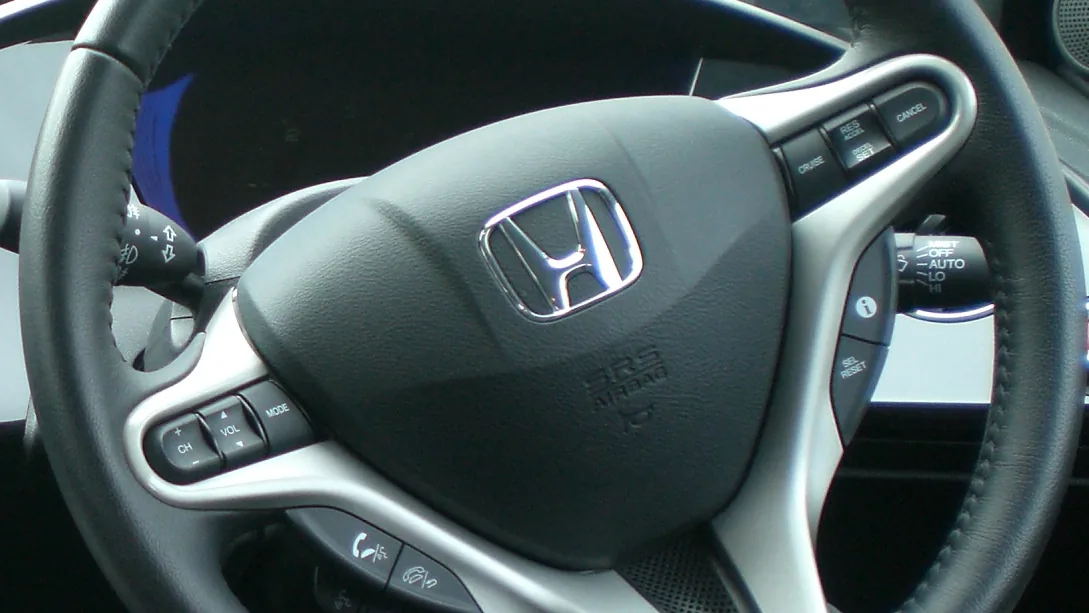
- Honda Civic, 2022–2025, and other Hondas: in 2024 Honda recalled about 1.69 million Civic, CR-V, HR-V and Acura Integra vehicles because the steering gearbox could have excessive internal friction and make steering difficult (24V744).
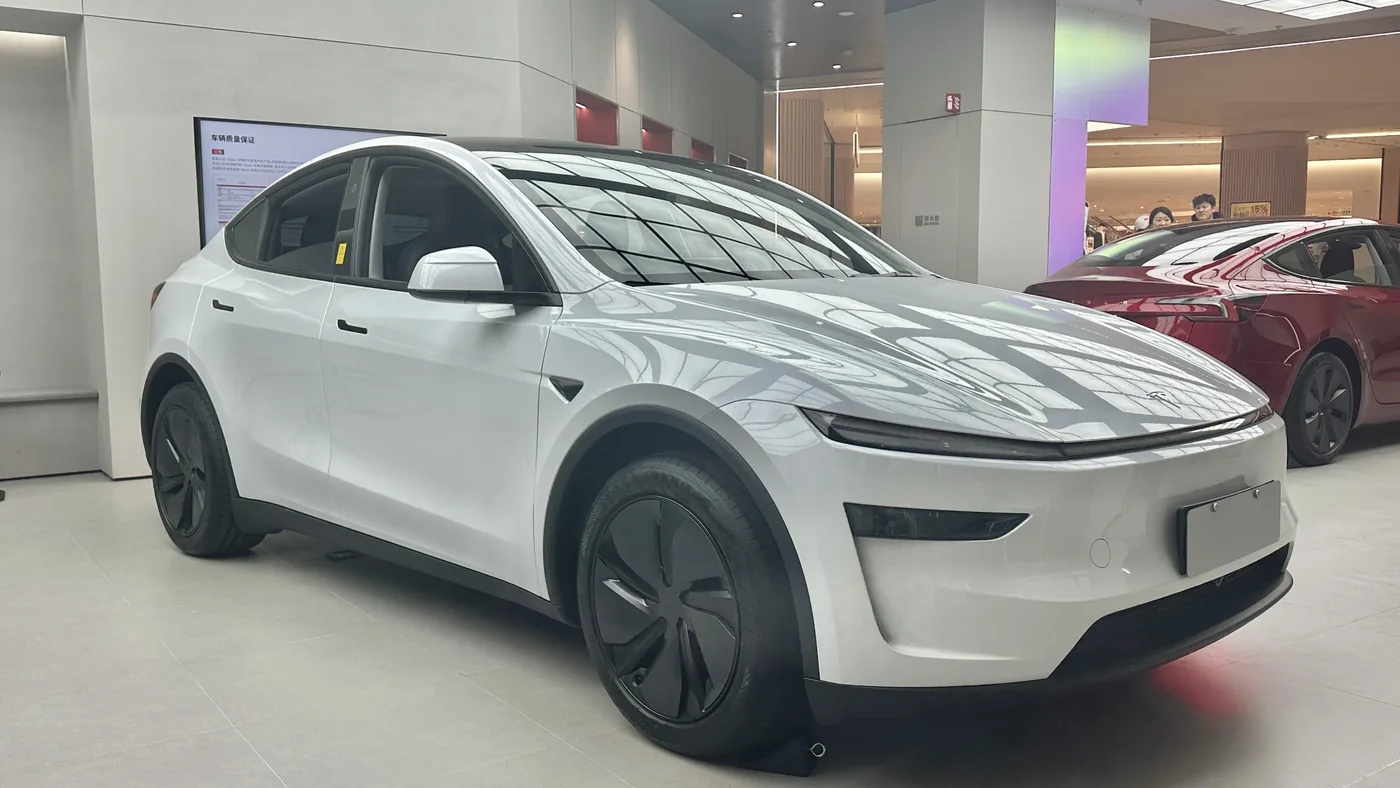
- Tesla Model 3 and Model Y, 2023: about 376,000 recalled in 2025 for loss of power steering assist; the fix was an over-the-air software update (25V092).
| Filed | Vehicles (NHTSA wording) | Problem | Units | Repaired |
|---|---|---|---|---|
| Mar 2014 14V153000 | Certain model year 2004-2006 and 2008-2009 Chevrolet Malibu, 2004-2006 Malibu Maxx, 2009-2010 HHR (non-turbo), 2010 Cobalt, 2008-2009 Saturn Aura and 2004-2007 Ion and others | Sudden Loss of Electric Power Steering | 1,373,177 | 60% |
| Mar 2010 10V073000 | CERTAIN MODEL YEAR 2005-2010 CHEVROLET COBALT AND MODEL YEAR 2007-2010 PONTIAC G5 VEHICLES EQUIPPED WITH ELECTRIC POWER STEERING | ELECTRIC POWER STEERING | 1,050,889 | – |
| Sep 2018 18V586000 | Certain 2015 Chevrolet Silverado 1500, Tahoe and Suburban, GMC Sierra 1500 and Yukon, and Cadillac Escalade vehicles | Temporary Loss of Electric Power Steering (EPS) | 1,015,918 | 80% |
| May 2014 14V284000 | Certain model year 2008-2011 Ford Escape and Mercury Mariner vehicles manufactured August 18, 2006, through September 11, 2010 | Loss of Electric Power Steering Assist | 740,878 | 72% |
| Jun 2017 17V414000 | Certain 2014 Chevrolet Silverado 1500 and GMC Sierra 1500 vehicles | Temporary Loss of Electric Power Steering (EPS) | 690,685 | 75% |
| Apr 2015 15V250000 | Certain model year 2013-2015 Ford Fusion and Lincoln MKZ vehicles manufactured February 3, 2012, to March 20, 2015, and 2015 Ford Edge vehicles manufactured February 26, 2015 and others | Loss of Power Steering Assist From Salt Corrosion | 487,301 | 91% |
| Jun 2015 15V340000 | Certain model year 2011-2012 Ford Fusion vehicles without a 3.5L engine and Lincoln MKZ hybrid electric vehicles, 2011 Mercury Milan vehicles, 2011-2012 Ford Taurus, Ford Flex and others | Loss of Electric Power Steering Assist | 393,623 | 69% |
| Feb 2025 25V092000 | Certain 2023 Model 3 and Model Y vehicles operating software prior to 2023.38.4 | Loss of Power Steering Assist | 376,241 | 100% |
Vehicle descriptions are NHTSA’s own summary wording; “repaired” is the share the manufacturer reports as fixed, and new campaigns start near zero. Source: NHTSA recalls file and US DOT completion data, retrieved Oct 6, 2026.
One gap stands out: the 2010 Ford Fusion has more steering complaints than any other model year in the file, but we found no steering recall covering it; Ford’s 15V340 recall covers the 2011 and 2012 Fusion. Check any specific car by VIN.
What to do if your steering goes heavy
- Grip the wheel firmly with both hands and slow down gradually. The car will still steer, but with more effort.
- Pull over when it’s safe and have the steering checked before relying on it again.
- Check for a recall. Enter your VIN at nhtsa.gov/recalls; recall repairs are free. Our guide shows where to find the VIN.
- Ask about service bulletins and warranties if no recall applies; see our guide to TSBs vs recalls.
- Report it to NHTSA, especially if it happened while driving. Complaint patterns are what lead to investigations and recalls; see how to file a complaint with NHTSA.
Buying used? Look up the model year’s steering complaints and recalls first, confirm any steering recall was completed, and include low-speed turns and parking in your test drive. Our used car inspection checklist covers the rest.
Complaint and recall figures are PlainVIN’s analysis of NHTSA’s files and update when we refresh the data; complaints are owner reports, not verified defects. This guide is general safety information, not mechanical advice.
Frequently asked questions
Why did my car suddenly lose power steering?
In cars with electric power steering, a fault in the motor, torque sensor, wiring or software can make the system switch off assist. In hydraulic systems, a fluid leak, a failing pump or a broken drive belt are the usual causes. Several common electric faults have been recalled, so check your VIN.
Can you still drive a car if power steering goes out?
The car still steers, but it takes much more effort, especially at low speeds. Slow down, pull over when safe and have it checked before relying on it again.
Which cars have the most power steering problems?
In NHTSA’s complaint file, the 2010–2012 Ford Fusion, 2005–2006 Chevrolet Cobalt and Pontiac G6, several Chevrolet Malibu years and the 2022 Honda Civic have the most steering complaints. Most of these were later covered by steering recalls.
Is there a recall for loss of power steering?
Yes, many. GM, Ford, Hyundai, Mazda, Honda and Tesla have recalled vehicles for loss of power steering assist or difficult steering; the table above lists the largest. Check your VIN at nhtsa.gov/recalls.
What is the average cost to fix power steering?
It depends on the system and the fault, from a fluid or belt repair to a new steering rack or EPS motor. If the problem is covered by a recall, the repair is free at a dealer.
Is the 2022 Honda Civic steering recall real?
Yes. In 2024 Honda recalled about 1.69 million vehicles, including the 2022–2025 Civic, because the steering gearbox could have excessive internal friction and make steering difficult (campaign 24V744).
Does a steering warning light mean my power steering failed?
Often it means the electric system has detected a fault and may have reduced or switched off assist. Check the owner’s manual and have it inspected promptly.
About the PlainVIN Recalls & Safety Desk
This desk covers recall campaigns and completion rates, owner complaints filed with NHTSA, and NHTSA 5-Star Safety Ratings.
Every figure in this guide links to its primary source. See our editorial policy, how we use AI and corrections log.
How this page was madeSources, processing, limits, review and changes
Data sources
Processing
- Complaints are counted per component. One complaint can list several, so component totals add up to more than the total.
- Fuel cost = miles per year ÷ EPA combined mpg × EIA weekly price for your region.
Limitations
- Complaint counts are owner reports, not verified findings or failure rates. There is no sales denominator.
- Recall campaigns are listed for the model year. Only NHTSA and the automaker know whether a specific car was repaired.
- Recent model years are still collecting reports.
Review
Researched by Daniel B. and Olivia C., technical check by Ethan B., edited by Sophia M. (see the editorial team page). Drafted with AI assistance and checked against primary sources by the Recalls & Safety desk.
Changelog
- 2026-10-06 Data refreshed from the official files.
Keep reading