Suspension Problems and Recalls: Which Cars, From NHTSA Data
Which cars draw the most suspension complaints to NHTSA, the toe-link, control-arm and spring recalls that can cause a loss of control, the 2026 recalls, and which are still unrepaired.
Key takeaways
- 79,192 owner complaints to NHTSA name the suspension, 5.2% of all complaints. The 1999 Dodge Durango, 2002 Ford Taurus, 2017 and 2019 Ford F-250 Super Duty and early-2000s Jeep Liberty draw the most.
- The recalls that match are mostly for parts that can fracture or corrode and make the car hard to control. 642 suspension recalls cover fractures, separations and corrosion, involving 27.3 million vehicles.
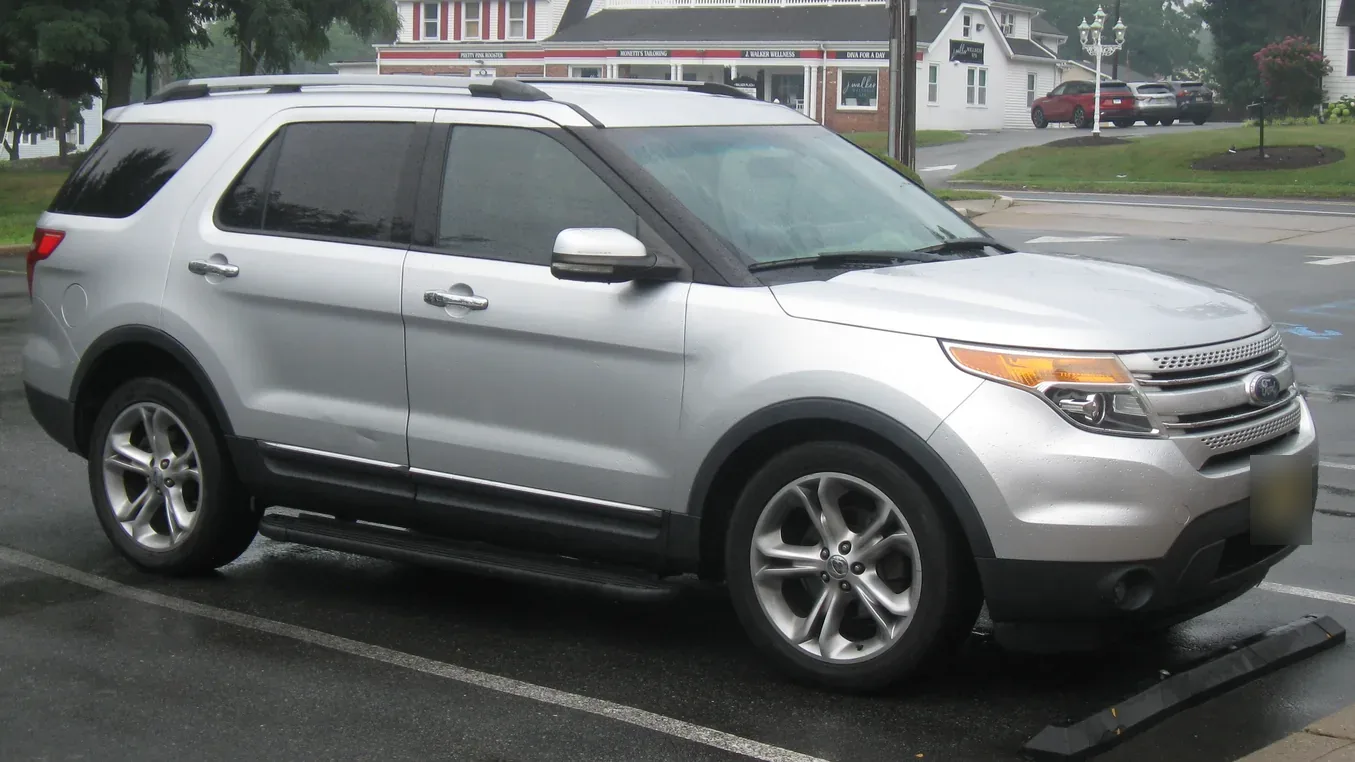
- Ford has recalled the 2011–2019 Explorer four times for rear toe links that can fracture, and the latest (26V101, 2026) is about 29% repaired. Honda’s June 2026 recall of about 880,000 Pilot, Ridgeline, Passport and Acura MDX models covers only vehicles sold in 23 states and Washington, D.C.
- Several of the worst model years, including the 1999 Durango and 2002 Taurus, have no suspension recall in NHTSA’s file. Check your VIN: recall repairs are free.
The cars with the most suspension complaints to NHTSA include the 1999 Dodge Durango, the 2002 Ford Taurus, the 2017 and 2019 Ford F-250 Super Duty and the 2002–2004 Jeep Liberty, and the biggest recalls involve parts that can break while you drive: toe links, control arms, trailing arms, coil springs and axles. Most advice about suspension covers worn shocks and a bumpy ride. This guide uses NHTSA’s complaint and recall files to show which cars and years are involved, which were recalled, and which recalls are still mostly unrepaired.
Suspension complaints: which cars and years
| Model | Model years | Complaints naming it | Share of the model’s complaints |
|---|---|---|---|
| Ford Taurus | 1984–2019 | 3,090 | 16.9% |
| Dodge Durango | 1997–2026 | 2,763 | 19.9% |
| Ford F-250 SD | 1995–2025 | 2,210 | 34.0% |
| Ford Windstar | 1993–2004 | 2,049 | 14.5% |
| Jeep Liberty | 2000–2012 | 1,970 | 22.2% |
| Ford Explorer | 1988–2025 | 1,908 | 5.5% |
| Jeep Wrangler | 1990–2024 | 1,907 | 10.5% |
| Dodge Dakota | 1988–2011 | 1,745 | 26.4% |
| Toyota Tacoma | 1995–2025 | 1,533 | 18.2% |
| Ford Escape | 2001–2022 | 1,145 | 4.2% |
| Ford F-150 | 1985–2025 | 1,075 | 2.8% |
| Ford Focus | 2000–2018 | 925 | 4.2% |
Counts of owner reports, not verified defects or rates; models that sold in larger numbers draw more complaints. The share compares with all complaints for that model over the same model years. Source: NHTSA owner complaints file, retrieved Oct 6, 2026; computed by PlainVIN.
| Vehicle | Complaints naming it | Share of that year’s complaints |
|---|---|---|
| 1999 Dodge Durango | 1,102 | 56% |
| 2002 Ford Taurus | 962 | 67% |
| 2019 Ford F-250 SD | 678 | 58% |
| 2017 Ford F-250 SD | 587 | 51% |
| 1998 Dodge Durango | 540 | 56% |
| 2001 Ford Taurus | 515 | 50% |
| 2000 Dodge Durango | 507 | 47% |
| 2002 Jeep Liberty | 494 | 27% |
| 2005 Ford Escape | 459 | 33% |
| 2004 Jeep Liberty | 456 | 41% |
| 2000 Ford Taurus | 443 | 37% |
| 2003 Jeep Liberty | 437 | 32% |
| 2002 Ford Explorer | 422 | 13% |
| 2001 Ford Windstar | 416 | 25% |
Source: NHTSA owner complaints file, retrieved Oct 6, 2026; computed by PlainVIN.
Counts favor popular models, so look at the share column. Suspension is more than a third of all complaints for the Ford F-250 Super Duty and more than a quarter for the Dodge Dakota, against about 5% across the whole file. Pickups and older SUVs dominate: heavy-duty trucks carry heavy loads, and older vehicles have had time to rust.
Which of those years were recalled
We checked the worst model years against NHTSA’s recall file:
- Jeep Liberty 2002–2004: recalled for lower ball joints in 2003 and 2006 (03V460, 06V288, about 826,000 vehicles in the second) and for a rear lower control arm that can fracture from corrosion in 2012 and 2018 (12V085, 18V278). Only about 30% of the 2018 recall is reported repaired.
- Ford Windstar 2001: recalled for rear axle cracking in 2010 (10V385, about 493,000 vehicles), corrosion fractures of the front lower control arm in 2012 (12V194), and in 2015 because the axle recall repair may have been performed improperly (15V608, 23% repaired).
- Dodge Dakota 2000: a 2004 recall for upper ball joint wear (04V596, about 593,000 vehicles).
- Toyota Tacoma 2005–2011: recalled in 2014 because a rear leaf spring could fracture and puncture the fuel tank (14V604, about 711,000 vehicles, 48% repaired).
- 1999 Dodge Durango, 2002 Ford Taurus, 2017 and 2019 Ford F-250 Super Duty, 2005 Ford Escape and 2002 Ford Explorer: heavy suspension complaint shares, but we found no suspension, axle, steering or frame recall for those model years in NHTSA’s file.
Complaints are owner reports, so a high count may reflect many owners of a popular model rather than a defect rate. A model’s best and worst years page shows its year-by-year problem areas, and steering faults are covered in our power steering guide.
Suspension recalls: what breaks
| Automaker | Campaigns | Vehicles potentially affected | Repaired (vehicle-weighted) | Est. not yet repaired |
|---|---|---|---|---|
| Ford | 21 | 3,635,204 | 59% | 1,488,710 |
| Toyota | 7 | 1,117,199 | 46% | 577,065 |
| Stellantis (FCA US) | 10 | 1,034,261 | 67% | 233,172 |
| General Motors | 14 | 875,652 | 77% | 205,432 |
| Volkswagen Group | 8 | 565,610 | 78% | 122,272 |
| Mazda | 4 | 419,925 | 60% | 166,195 |
| Subaru | 3 | 409,078 | 96% | 16,754 |
| Hyundai | 5 | 301,043 | 32% | 203,141 |
| Mitsubishi | 3 | 195,233 | 18% | 159,540 |
| Harley-Davidson | 2 | 147,341 | 50% | 73,379 |
“Repaired” weights each campaign’s reported completion rate by its vehicle count; “not yet repaired” is the matching estimate. A vehicle in several campaigns is counted in each. Source: NHTSA recalls file and US DOT completion data, retrieved Oct 6, 2026; computed by PlainVIN.
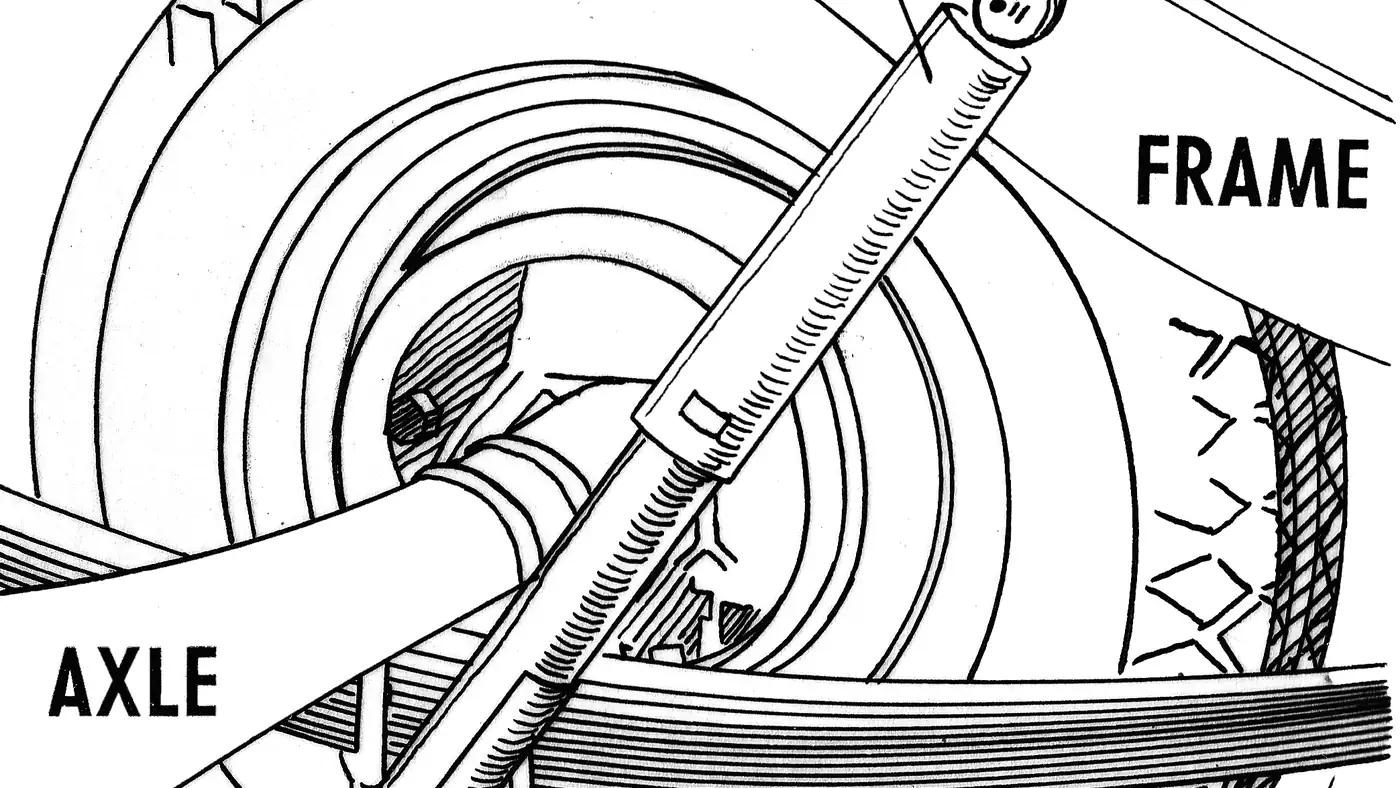
The biggest group is rear suspension links and arms. Ford has recalled the Explorer four times for rear toe links that can fracture: 2011–2017 models in 2019 (19V435, about 1.19 million vehicles), 2013–2017 models originally sold or registered in certain states in 2021 (20V675 and 21V537), and 2017–2019 models in 2026 (26V101, 29% repaired). NHTSA’s record for the first explains the risk:
“A fractured rear toe link will cause a sudden change in vehicle handling and increase the risk of a crash.”NHTSA recall record for Ford campaign 19V435, nhtsa.gov
| Filed | Vehicles (NHTSA wording) | Problem | Units | Repaired |
|---|---|---|---|---|
| Jun 2019 19V435000 | Certain 2011-2017 Explorer vehicles | Rear Suspension Toe Links May Fracture | 1,194,173 | 64% |
| Jul 2021 21V537000 | Certain 2013-2017 Explorer vehicles originally sold, or ever registered, in Connecticut, Delaware, Illinois, Indiana, Iowa, Kentucky, Maine, Maryland, Massachusetts, Michigan and others | Rear Suspension Toe Link Fracture | 631,176 | 67% |
| Mar 2021 20V675000 | Certain 2013-2017 Explorer vehicles originally sold, or currently registered in Connecticut, Delaware, the District of Columbia, Illinois, Indiana, Iowa, Kentucky, Maine, Maryland and others | Rear Suspension Toe Link Fracture | 454,941 | 78% |
| Feb 2026 26V101000 | Certain 2017-2019 Explorer vehicles | Rear Suspension Toe Link Fracture | 412,774 | 29% |
| Apr 2021 21V263000 | Certain 2018-2019 Subaru Crosstrek, 2019 Crosstrek Hybrid, and 2019 Forester vehicles | Rear Stabilizer Bracket Bolts May Detach | 408,271 | 96% |
| Jun 2021 21V473000 | Certain 2010-2016 Cadillac SRX and 2011-2012 Saab 9-4X vehicles | Rear Suspension Toe Link May Loosen and Separate | 380,498 | 74% |
| Aug 2016 16V596000 | Certain model year 2006-2011 Toyota RAV4 vehicles manufactured October 31, 2005, to September 7, 2010, and 2010 Lexus HS250h vehicles manufactured July 6, 2009, to August 26, 2010 | Rear Suspension Arm (Tie Rod) Corrosion | 337,449 | 40% |
| Sep 2026 26V562000 | Certain 2021-2023 Jeep Grand Cherokee L, 2022-2023 Jeep Grand Cherokee, and Jeep Grand Cherokee 4XE vehicles | Rear Coil Springs May Detach | 328,381 | – |
| Jun 2023 23V413000 | Certain 2022-2023 Jeep Grand Cherokee and 2021-2023 Jeep Grand Cherokee L vehicles | Incorrectly Installed Rear Coil Springs | 305,282 | 100% |
| May 2018 18V278000 | Certain 2004-2007 Jeep Liberty vehicles | Rear Lower Control Arm Fracture | 239,904 | 30% |
Vehicle descriptions are NHTSA’s own summary wording; “repaired” is the share the manufacturer reports as fixed, and new campaigns start near zero. Source: NHTSA recalls file and US DOT completion data, retrieved Oct 6, 2026.
- Toyota: 2006–2011 RAV4 and 2010 Lexus HS 250h in 2016 for rear suspension arms (tie rods) that can corrode (16V596, 40% repaired), and the Tacoma leaf spring recall above.
- Volkswagen: 2011–2013 Jetta and 2012–2013 Beetle in 2014 because a rear trailing arm can fracture and cause a loss of control (14V656).
- Chrysler (FCA): 2021–2023 Jeep Grand Cherokee L and 2022–2023 Grand Cherokee models in 2026 because rear coil springs may be incorrectly installed and detach while driving (26V562, about 328,000 vehicles), after a 2023 recall for incorrectly installed rear springs (23V413).
Suspension recalls in 2026
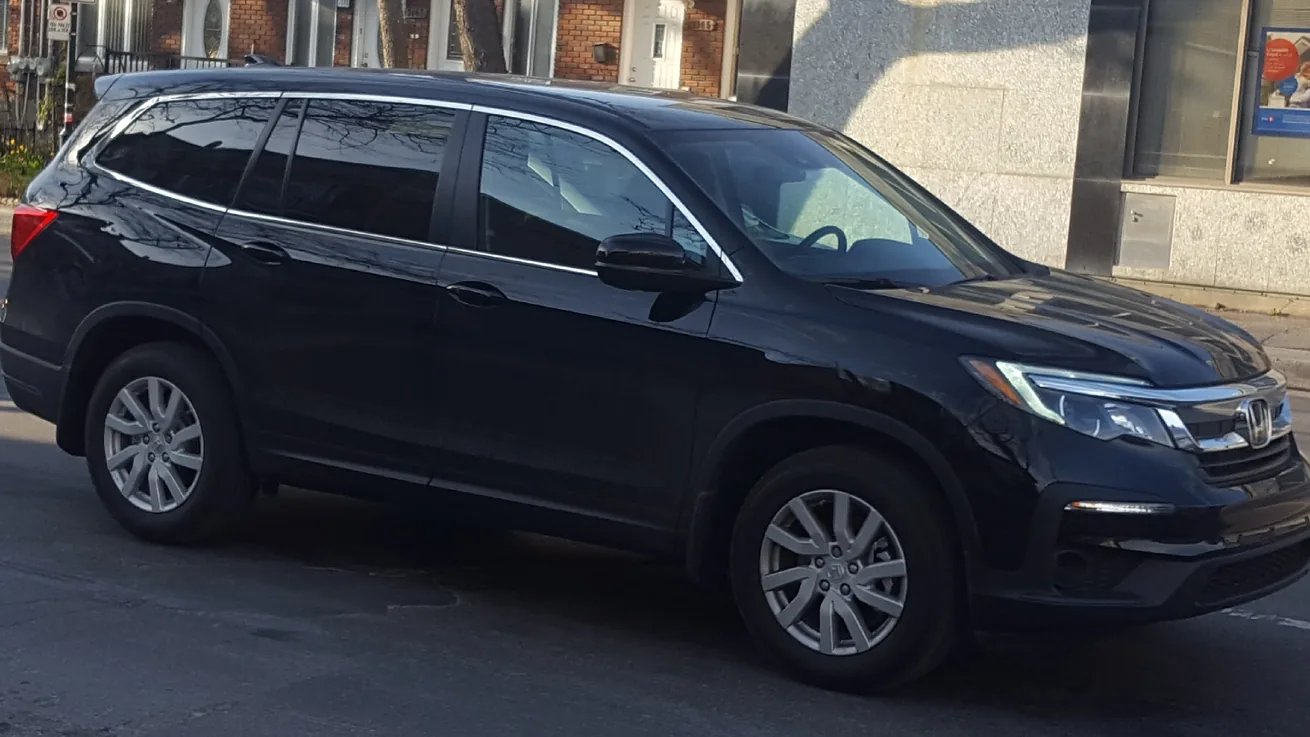
The largest of the year is Honda’s June 2026 recall of about 880,000 2016–2022 Pilot, 2017–2023 Ridgeline, 2019–2023 Passport and 2014–2020 Acura MDX vehicles sold in Connecticut, Delaware, the District of Columbia, Illinois, Indiana, Iowa, Kentucky, Maine, Maryland, Massachusetts, Michigan and other states (26V365). A corroding rear subframe can lead to failure of rear suspension components. CBS News reported that Honda estimates only about 1% of the recalled vehicles actually have the defect. NHTSA’s record states:
“Failure of rear suspension components, such as the rear control arm, can cause a loss of vehicle handling and control, increasing the risk of a crash or injury.”NHTSA recall record for Honda campaign 26V365, nhtsa.gov
| Filed | Vehicles (NHTSA wording) | Problem | Units | Repaired |
|---|---|---|---|---|
| Feb 2026 26V101000 | Certain 2017-2019 Explorer vehicles | Rear Suspension Toe Link Fracture | 412,774 | 29% |
| Sep 2026 26V562000 | Certain 2021-2023 Jeep Grand Cherokee L, 2022-2023 Jeep Grand Cherokee, and Jeep Grand Cherokee 4XE vehicles | Rear Coil Springs May Detach | 328,381 | – |
| Jan 2026 26V051000 | Certain 2021-2023 Jeep Grand Cherokee L and 2022-2023 Jeep Grand Cherokee vehicles | Rear Coil Springs May Detach | 80,620 | 32% |
| Aug 2026 26V514000 | Certain 2024 Tacoma Hybrid and 2024-2025 Tacoma vehicles | Front and Rear Shock Absorber Reservoirs May Detach | 48,280 | – |
| Jan 2026 26V003000 | Certain 2022-2025 R1S and R1T vehicles that previously had service performed | Toe Link Joint May Separate | 19,641 | 83% |
| Feb 2026 26V113000 | Certain 2012–2013 Buick Regal Turbo and GS trim-level vehicles that were sold or ever registered, in Connecticut, Delaware, District of Columbia, Illinois, Indiana, Iowa and others | Rear Toe Links May Fracture | 17,050 | 22% |
| May 2026 26V340000 | Certain 2021-2026 Bronco Sport and 2022-2026 Maverick vehicles | Loss of Control from Control Arm Separation | 4,653 | – |
| May 2026 26V314000 | Certain 2025 Ioniq 5 and 2026 Ioniq 9 vehicles | Loose Rear Suspension Fasteners | 172 | – |
| Aug 2026 26V558000 | Certain 2026 Model Y vehicles | Front Suspension Lateral Link May Separate | 19 | – |
Vehicle descriptions are NHTSA’s own summary wording; “repaired” is the share the manufacturer reports as fixed, and new campaigns start near zero. Source: NHTSA recalls file and US DOT completion data, retrieved Oct 6, 2026.
Two more are worth knowing. Ford’s “do not drive” recall (26V340) covers about 4,650 2021–2026 Bronco Sport and 2022–2026 Maverick vehicles whose front lower control arm ball joints may have been incorrectly installed or repaired, which can let the control arm disconnect from the wheel knuckle. And NHTSA has opened an investigation into about 1.2 million Tesla vehicles over suspension failures, as Reuters reported on July 31, 2026. See our do-not-drive recall list for the other urgent recalls.
Corrosion is behind many of these failures: Honda’s rear subframe recall, Hyundai’s crossmember recall and Toyota’s rear arm recall all name it. Our rust and corrosion recalls guide shows which states each of these recalls covers.
Signs of a suspension problem
| Sign | What it can mean | What to do |
|---|---|---|
| Clunking or knocking over bumps | Worn bushings, sway bar links, ball joints or struts | Get it inspected soon |
| Car pulls to one side or steering feels loose | Worn ball joints, tie rods or a bent arm | Have it checked promptly; check for a recall |
| Bouncing that doesn’t settle after a bump | Worn shocks or struts | Press down on a corner of the car and release: it should settle after one bounce |
| One corner sits lower | A broken coil spring or leaf spring | Don’t drive far; the car may be unsafe |
| Sudden change in handling, or a bang followed by pulling | A fractured link, arm or spring, the failures in the recalls above | Slow down, pull over when safe, and have it towed |
| Rust or corrosion on arms, subframes or springs | Corrosion is behind several of the recalls above | Ask a shop to inspect, especially if the car has lived where roads are salted |
A suspension that handles badly is more than a comfort issue: a broken arm or link can cause a loss of control. If a recall covers your car, the repair is free; check your VIN, and if the car handled strangely before a crash or breakdown, report it to NHTSA. When buying used, our inspection checklist covers the walk-around and test drive, and our common problems guide shows how suspension compares with other problem areas. To see what owners report for your exact model year, use our VIN decoder.
Complaint and recall figures are PlainVIN’s analysis of NHTSA’s files and update when we refresh the data; complaints are owner reports, not verified defects. This guide is general information, not mechanical advice.
Frequently asked questions
Which cars have the most suspension problems?
In NHTSA’s complaint file, the Dodge Durango, Ford Taurus, Ford F-250 Super Duty, Jeep Liberty and Ford Windstar draw the most suspension complaints. The 1999 Durango, 2002 Taurus and the 2017 and 2019 F-250 Super Duty are the worst single model years.
Can you drive a car with suspension problems?
It depends on the problem. A worn shock or bushing makes the ride and handling worse but the car may still be driveable for a short time. A broken spring, arm or link can cause a sudden loss of control, so a car that pulls, sits low on one corner or changed handling suddenly should be towed and inspected.
Is there a recall on the Ford Explorer rear toe links?
Yes, four. Ford recalled 2011–2017 Explorers in 2019 (19V435), 2013–2017 models in certain states in 2021 (20V675 and 21V537) and 2017–2019 models in 2026 (26V101) because the rear suspension toe links can fracture and cause a sudden change in handling. Check your VIN.
Which Honda models are in the 2026 rear suspension recall?
The 2016–2022 Pilot, 2017–2023 Ridgeline, 2019–2023 Passport and 2014–2020 Acura MDX sold in 23 states and Washington, D.C. (campaign 26V365, about 880,000 vehicles). A corroding rear subframe can lead to failure of rear suspension components.
What does a bad suspension feel like?
Clunking over bumps, pulling to one side, loose steering, bouncing that doesn’t settle, or one corner sitting low. A sudden pull or a bang followed by poor handling can mean a broken part.
How much does it cost to fix suspension problems?
Costs vary widely by car and by which part is worn, so get a written estimate. If an open safety recall covers the part, the repair is free.
How do I check if my car has a suspension recall?
Enter the 17-character VIN at nhtsa.gov/recalls or on the automaker’s owner site. Our VIN decoder also links to your model year’s recall page.
About the PlainVIN Recalls & Safety Desk
This desk covers recall campaigns and completion rates, owner complaints filed with NHTSA, and NHTSA 5-Star Safety Ratings.
Every figure in this guide links to its primary source. See our editorial policy, how we use AI and corrections log.
How this page was madeSources, processing, limits, review and changes
Data sources
- NHTSA owner complaints file (component: suspension) and recalls file, including campaigns 03V460, 06V288, 12V085, 18V278, 10V385, 12V194, 15V608, 04V596, 14V604, 19V435, 20V675, 21V537, 26V101, 16V596, 14V656, 23V413, 26V562, 26V365 and 26V340
Retrieved Oct 6, 2026 - NHTSA recall record, Ford campaign 19V435
nhtsa.gov - NHTSA recall record, Honda campaign 26V365
nhtsa.gov - CBS News, Honda recalls more than 880,000 vehicles for suspension issue (Mary Cunningham, June 10, 2026)
cbsnews.com - Reuters, US auto safety regulator probes 1.2 million Tesla vehicles over suspension (July 31, 2026)
reuters.com
Processing
- Complaints are counted per component. One complaint can list several, so component totals add up to more than the total.
- Fuel cost = miles per year ÷ EPA combined mpg × EIA weekly price for your region.
Limitations
- Complaint counts are owner reports, not verified findings or failure rates. There is no sales denominator.
- Recall campaigns are listed for the model year. Only NHTSA and the automaker know whether a specific car was repaired.
- Recent model years are still collecting reports.
Review
Researched by Daniel B. and Olivia C., technical check by Ethan B., edited by Sophia M. (see the editorial team page). Drafted with AI assistance and checked against primary sources by the Recalls & Safety desk.
Changelog
- 2026-10-06 Data refreshed from the official files.
Keep reading