Doors, Hoods and Tailgates That Open While Driving: Recalls
The recalls for doors, hoods and tailgates that can open while driving: Ford’s door-latch series and the repair that didn’t hold, the water and ice failures, the 2026 Prius recall, and what to do.
Key takeaways
- 116 NHTSA recalls are for a door, hood, tailgate or trunk that can open unexpectedly, covering 18.2 million vehicles; 68% are reported repaired. 83 are about doors, 76 about hoods and 23 about tailgates, liftgates or trunks.
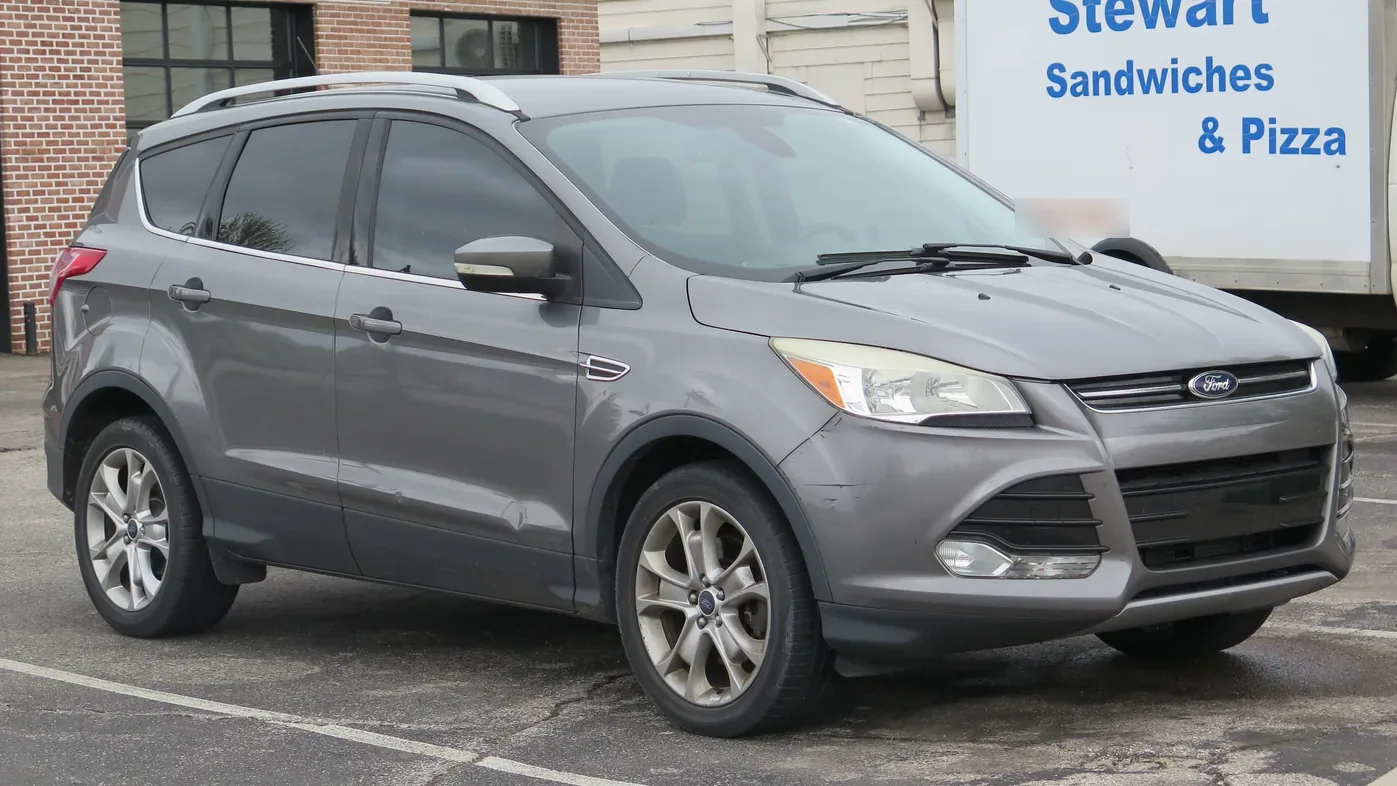
- Ford has the most: 12 recalls covering about 7.2 million vehicles since 2014, including its door-latch series (14V239, 15V246, 16V643, 17V652, 20V177, 20V331). The 2020 recall exists because the repair from earlier recalls “may not have been completed properly.”
- Water is behind many of them. Water or freezing is named in recalls for the 2023–2026 Toyota Prius rear doors, the VW ID.4 door handles, the Honda Odyssey sliding doors, the Ford F-150 door latches and the GM heavy-duty tailgates.
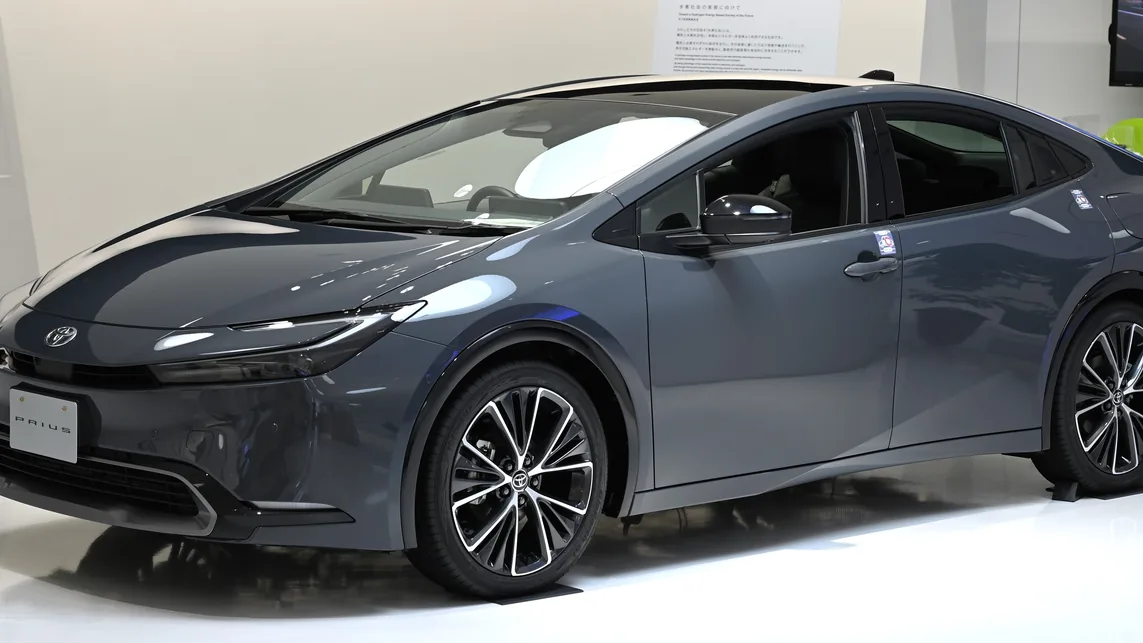
- Toyota’s January 2026 recall covers about 141,000 Prius models whose unlocked rear door can open unexpectedly (26V049). Check your VIN: recall repairs are free.
A door that opens at speed can throw an occupant out of the car, a hood that flies up can block the driver’s view, and a tailgate that drops can spill cargo onto the road, and NHTSA’s recall file holds more than a hundred recalls for exactly these faults. Most advice on the subject covers what to do after a hood pops open; this guide uses NHTSA’s complaint and recall files to show which cars have been recalled, how many are still unrepaired, and why many of the failures involve water.
Recalls for doors, hoods and tailgates that open
We count a recall when its subject says a door, hood, tailgate, liftgate or trunk may open or release, whichever part of the car NHTSA files it under; many sit under “structure” or “electrical” rather than “latches.”
| Automaker | Campaigns | Vehicles potentially affected | Repaired (vehicle-weighted) | Est. not yet repaired |
|---|---|---|---|---|
| Ford | 12 | 7,202,500 | 66% | 2,448,160 |
| Stellantis (FCA US) | 7 | 3,492,237 | 72% | 970,915 |
| Nissan | 4 | 2,684,491 | 57% | 1,146,458 |
| Honda | 3 | 1,156,796 | 94% | 65,515 |
| Toyota | 3 | 941,413 | 68% | 252,641 |
| General Motors | 8 | 717,686 | 76% | 172,576 |
| Hyundai | 4 | 610,645 | 63% | 223,018 |
| Kia | 2 | 572,510 | 49% | 289,272 |
“Repaired” weights each campaign’s reported completion rate by its vehicle count; “not yet repaired” is the matching estimate. A vehicle in several campaigns is counted in each. Source: NHTSA recalls file and US DOT completion data, retrieved Oct 6, 2026; computed by PlainVIN.
The biggest recalls, with NHTSA’s campaign numbers and repair rates:
| What opens | Recall | Vehicles covered | Units | Repaired |
|---|---|---|---|---|
| Doors, latch part can break | Ford 16V643 (2016) | 2012–2015 Focus, 2013–2015 Escape and C-Max, 2015 Mustang and MKC, 2014–2016 Transit Connect | 2,046,297 | 62% |
| Doors, earlier repair incomplete | Ford 20V331 (2020) | 2011–2014 Fiesta, 2012–2015 Focus, 2013–2015 Escape and C-Max, 2015 Mustang and others | 2,147,323 | 58% |
| Doors, cable or frozen latch | Ford 17V652 (2017) | 2015–2017 F-150, 2017 F-250 to F-550 | 1,101,107 | 73% |
| Rear door opens when window is lowered | Nissan 17V040 (2017) | 2015–2017 Altima | 341,005 | 85% |
| Power sliding door | Toyota 16V858 (2016) | 2011–2016 Sienna | 744,437 | 67% |
| Hood, secondary latch binds | Nissan 20V315 (2020) | 2013–2018 Altima | 1,831,818 | 49% |
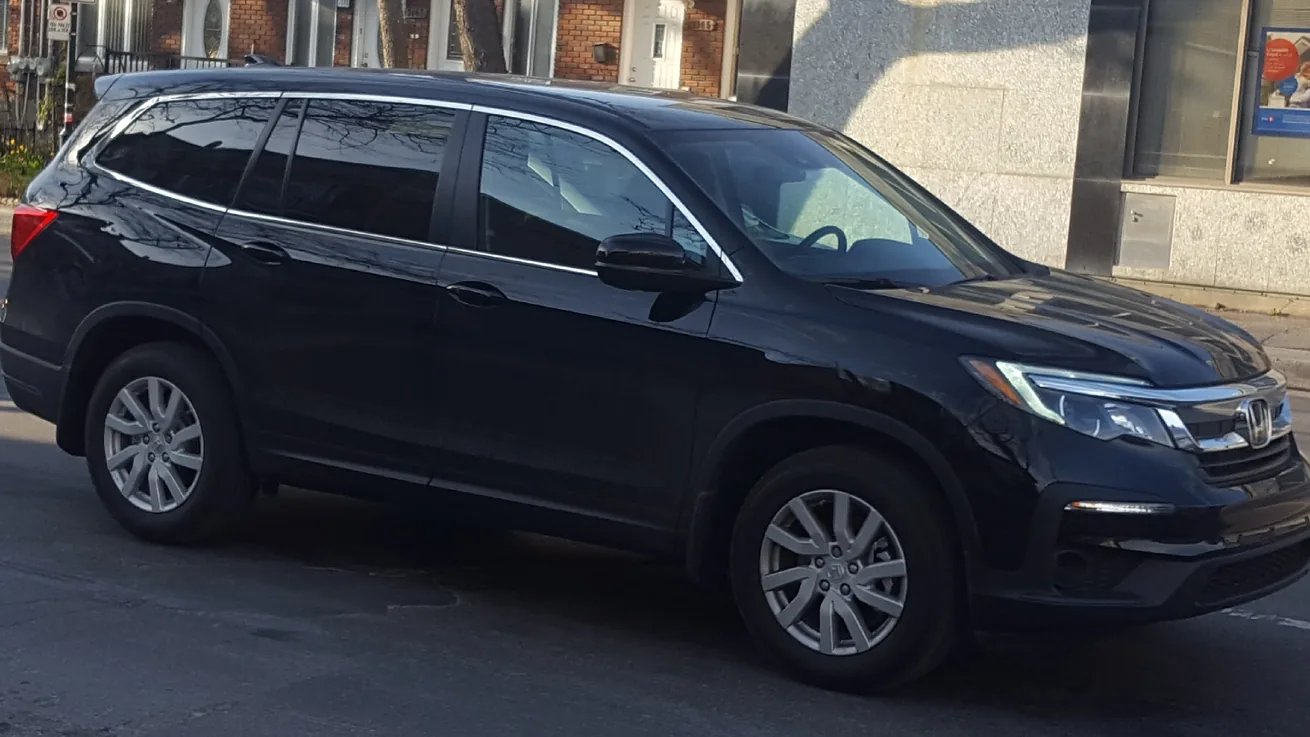
| Hood, striker separates | Honda 21V932 (2021) | 2016–2019 Pilot, 2019 Passport, 2017–2020 Ridgeline | 724,826 | 93% |
| Hood, cable corrodes | Hyundai 17V358 (2017) | 2013–2017 Santa Fe and Santa Fe Sport | 437,400 | 81% |
| Tailgate unlatches | Ram 18V486, 22V904 | 2015–2017 and 2019–2022 Ram 1500, 2500, 3500 | 1,149,223 and 1,224,078 | 76% and 81% |
Source: NHTSA recalls file and US DOT completion data, retrieved Oct 6, 2026; table compiled by PlainVIN from each campaign’s record.
NHTSA’s record for the largest Ford door recall states the risk:
“A door that is not securely latched could open while the vehicle is in motion, increasing the risk of injury to a vehicle occupant.”NHTSA recall record for Ford campaign 16V643, nhtsa.gov
| Filed | Vehicles (NHTSA wording) | Problem | Units | Repaired |
|---|---|---|---|---|
| Jun 2020 20V331000 | Certain 2011-2014 Fiesta, 2013-2014 Fusion, 2015 Mustang, 2013-2015 Escape and C-Max, 2012-2015 Focus, 2014-2016 Transit Connect, 2013-2014 Lincoln MKZ, and 2015 MKC vehicles | Doors May Open While Driving | 2,147,323 | 58% |
| Sep 2016 16V643000 | Certain model year 2012-2015 Ford Focus, 2013-2015 Ford Escape and Ford C-MAX, 2015 Lincoln MKC and Ford Mustang, and 2014-2016 Ford Transit Connect vehicles | Doors may Unexpectedly Open | 2,046,297 | 62% |
| May 2020 20V315000 | Certain model year 2013-2018 Nissan Altima vehicles | Unintentional Release of Primary Hood Latch | 1,831,818 | 49% |
| Dec 2022 22V904000 | Certain 2019-2022 Ram 1500, 2500, and 3500 pickup trucks | Tailgate May Open While Driving | 1,224,078 | 81% |
| Jul 2018 18V486000 | Certain 2015-2017 RAM 1500, 2500, and 3500 pickup trucks equipped with a power locking tailgate and either a 5 foot, 7 inch or 6 foot, 4 inch bed | Tailgate May Open Unexpectedly | 1,149,223 | 76% |
| May 2019 19V347000 | Certain 2015-2017 Ram 1500, 2500 and 3500 pickup trucks equipped with an 8 foot bed and a power locking tailgate | Tailgate May Open Unexpectedly | 1,103,209 | 59% |
| Oct 2017 17V652000 | Certain 2015-2017 Ford F-150, and 2017 F-250, F-350, F-450, and F-550 Super Duty trucks | Doors may Open while Driving | 1,101,107 | 73% |
| Nov 2016 16V858000 | Certain model year 2011-2016 Toyota Sienna minivans manufactured January 4, 2010, to August 12, 2016 | Power Sliding Door May Open while Driving | 744,437 | 67% |
| Nov 2021 21V932000 | Certain 2019 Passport, 2016-2019 Pilot, and 2017-2020 Ridgeline vehicles | Hood May Open While Driving | 724,826 | 93% |
| Feb 2024 24V060000 | Certain 2020-2024 Chevrolet Silverado 2500, 3500, GMC Sierra 2500 and 3500 vehicles equipped with power-unlatching tailgates | Tailgate May Open While Driving | 570,434 | 74% |
Vehicle descriptions are NHTSA’s own summary wording; “repaired” is the share the manufacturer reports as fixed, and new campaigns start near zero. Source: NHTSA recalls file and US DOT completion data, retrieved Oct 6, 2026.
For hoods, Nissan has recalled the 2013–2018 Altima twice (16V029 and 20V315) and the 2013–2016 Pathfinder (22V420, only about 25% repaired) for a secondary latch that can bind and stay open; the secondary latch is the safety catch that should hold the hood even if the main latch releases. Honda’s hood recall shows the consequence:
“A hood that opens while driving can obstruct the driver’s view and increase the risk of a crash.”NHTSA recall record for Honda campaign 21V932, nhtsa.gov
Ford’s door-latch recalls, and a repair that didn’t hold
Ford’s door recalls form a series, and the order shows how the problem kept coming back:
- 2014, 14V239: 2013–2014 Escape. An assembly misalignment between the door handle and the outer panel could make doors hard to close or open while driving (about 582,000 vehicles, 90% repaired).
- 2015, 15V246: 2011–2014 Fiesta and 2013–2014 Fusion and MKZ (about 456,000 vehicles).
- 2016, 16V643: a part in the door latches can break, so the doors won’t latch (about 2.05 million vehicles).
- 2017, 17V652: 2015–2017 F-150 and 2017 Super Duty. A bent or kinked door cable, or latches that freeze after water gets in (about 1.1 million vehicles).
- 2020, 20V331: about 2.15 million vehicles “previously recalled and repaired under recalls 15V-246, 16V-643 or 17V-210, however the repair may not have been completed properly.” Only about 58% are reported repaired.
- 2020, 20V177: 2014–2016 Fiesta, Fusion and MKZ sold or ever registered in a list of mostly southern and western states and territories, including Texas, Florida, California, Arizona and Puerto Rico (about 288,000 vehicles).
Two lessons for owners: a car that had an earlier door recall repaired can still be covered by a newer one, so check your VIN again, because repairs are tracked per recall number. See also our rust and corrosion guide for recalls where the covered states depend on where the car was sold or registered.
Water, ice and corrosion
Looking across the recall text, water is the recurring cause. These recalls name water, freezing or corrosion as the reason a latch or release failed:
- Toyota Prius 2023–2026 (24V274, 26V049): water may enter the rear door switch and cause a short circuit, allowing an unlocked rear door to open unexpectedly. Toyota recalled about 55,700 vehicles in 2024 and about 141,300 in 2026.
- Volkswagen ID.4 2021–2024 (24V651): the door handles may allow water to enter the circuit board assembly, so the doors can open unexpectedly (about 99,000 vehicles, 85% repaired).
- Honda Odyssey 2018–2020 (20V437): water in the sliding door handle cables can freeze in cold weather and stop the latches securing (about 324,000 vehicles, 97% repaired).
- Toyota Sienna 2011–2016 (16V858): if the power sliding door can’t open when commanded, such as when frozen shut, it may open unexpectedly later.
- GM Silverado 2500, 3500 and Sierra 2500, 3500, 2020–2024 (24V060): the electronic tailgate release switch may short circuit from water intrusion and unlatch the tailgate while driving (about 570,000 vehicles, 74% repaired).
- Hood latches: corroded cables and latches are named in the Hyundai and Nissan hood recalls above.
Latch and lock complaints: which cars and years
| Model | Model years | Complaints naming it | Share of the model’s complaints |
|---|---|---|---|
| Ford Focus | 2000–2018 | 853 | 3.9% |
| Toyota Sienna | 1998–2022 | 788 | 8.9% |
| Dodge Caravan | 1984–2010 | 655 | 6.4% |
| Dodge Grand Caravan | 1988–2020 | 593 | 4.4% |
| Honda CR-V | 1998–2025 | 571 | 3.6% |
| Jeep Grand Cherokee | 1993–2024 | 428 | 1.5% |
| Honda Odyssey | 1995–2025 | 421 | 3.3% |
| Ford Explorer | 1991–2025 | 406 | 1.2% |
| Ford F-150 | 1991–2024 | 368 | 1.0% |
| Ford Fusion | 2006–2020 | 337 | 1.5% |
| Plymouth Voyager | 1984–2000 | 329 | 6.3% |
| Ford Escape | 2000–2023 | 319 | 1.2% |
Counts of owner reports, not verified defects or rates; models that sold in larger numbers draw more complaints. The share compares with all complaints for that model over the same model years. Source: NHTSA owner complaints file, retrieved Oct 6, 2026; computed by PlainVIN.
| Vehicle | Complaints naming it | Share of that year’s complaints |
|---|---|---|
| 2005 Dodge Grand Caravan | 338 | 34% |
| 2004 Toyota Sienna | 308 | 15% |
| 2007 Honda CR-V | 232 | 26% |
| 2005 Dodge Caravan | 203 | 38% |
| 2000 Ford Focus | 201 | 5% |
| 2008 Honda CR-V | 200 | 21% |
| 2005 Jeep Grand Cherokee | 163 | 8% |
| 2016 Hyundai Tucson | 157 | 10% |
| 2005 Toyota Sienna | 135 | 12% |
| 2012 Ford Focus | 134 | 4% |
| 2005 Nissan Murano | 118 | 12% |
| 2000 Honda Odyssey | 105 | 16% |
| 1992 Toyota Camry | 89 | 16% |
| 2000 Jeep Grand Cherokee | 85 | 6% |
Source: NHTSA owner complaints file, retrieved Oct 6, 2026; computed by PlainVIN.
This category covers locks (door locks, steering-wheel locks) and linkages as well as latches, so a high share doesn’t always mean doors opening. We checked the worst years against the recall file:
- Ford Focus 2000: a 2005 recall for rear door latches (05V030, about 590,000 vehicles).
- Hyundai Tucson 2016: a 2016 recall for a secondary hood latch that may disengage (16V348, about 81,000 vehicles, 92% repaired).
- Nissan Murano 2005: a 2006 recall for the intelligent key’s steering wheel lock (06V401), a lock problem, not a door.
- Toyota Sienna 2004–2005: only a recall for the power rear liftgate (08V244, about 196,000 vehicles), not the doors.
- Dodge Grand Caravan 2005 (34%), Dodge Caravan 2005 (38%), Honda CR-V 2007 and 2008 (26% and 21%) and Jeep Grand Cherokee 2005: large shares of complaints, but no door, latch, lock or hood recall for those years in NHTSA’s file.
Door recalls in 2026
| Filed | Vehicles (NHTSA wording) | Problem | Units | Repaired |
|---|---|---|---|---|
| Jan 2026 26V049000 | Certain 2023-2024 Prius Prime, 2023-2026 Prius, and 2025-2026 Prius Plug-in Hybrid vehicles | Unlocked Rear Door May Open Unexpectedly | 141,286 | – |
| Mar 2026 26V134000 | Certain 2026 GLA 250 vehicles | Incorrectly Installed Cable May Prevent Door from Opening | 10 | 50% |
Vehicle descriptions are NHTSA’s own summary wording; “repaired” is the share the manufacturer reports as fixed, and new campaigns start near zero. Source: NHTSA recalls file and US DOT completion data, retrieved Oct 6, 2026.
- Toyota Prius (26V049, January 2026): 2023–2026 Prius, 2023–2024 Prius Prime and 2025–2026 Prius Plug-in Hybrid; water may enter the rear door switch and let an unlocked rear door open unexpectedly. About 141,300 vehicles.
- Nissan Altima, Sentra, Frontier and Kicks (26V023): door strikers may have been improperly welded and break, allowing the door to open while moving; the vehicles fail the federal door retention standard (FMVSS 206). About 26,400 vehicles, 70% repaired.
- Volvo S60L 2017 (26V072): a component within the door latch may break. About 2,800 vehicles.
- Mercedes-Benz A-Class, CLA, GLA, GLB, C-Class and others (26V481): the driver’s door lock micro-switch may corrode and fail to detect an open door, which can cause a rollaway. About 310,700 vehicles. See our unintended acceleration guide for rollaway recalls.
If it happens: what to do
- If a hood opens, don’t brake hard or swerve. An insurance agency’s guide lists limited visibility and sudden wind resistance as the main dangers; slow down gradually, switch on the hazard lights, look through the gap or out the side window, and pull over when safe.
- If a door opens, slow down gradually and stop safely before trying to close it. A passenger should not reach for it while the car is moving.
- Check your VIN at NHTSA or with our VIN decoder, which links to your model year’s recalls. If an earlier door or hood recall was repaired, check again: Ford’s 2020 recall covers cars repaired under three earlier ones.
- Report it. NHTSA says you can report a safety problem online or at 888-327-4236; see how to file a complaint. A pattern of complaints is how recalls like these began.
- Buying used? Open and close every door, the hood and the tailgate several times, and check the secondary hood latch catches. Our used car inspection checklist covers it, and see the most common car problems for how latches compare with other areas.
For struts and supports that let a liftgate or hood fall, see our liftgate and hood strut recalls guide.
Complaint and recall figures are PlainVIN’s analysis of NHTSA’s files and update when we refresh the data; complaints are owner reports, not verified defects. A recall is counted as an “opens” recall when its subject says a door, hood, tailgate, liftgate or trunk may open or release. This guide is general information, not safety advice for a specific vehicle.
Frequently asked questions
Can a car door open while driving?
Yes, and NHTSA’s file holds 83 recalls for doors that may open unexpectedly. Causes include a latch part that can break (Ford 16V643), a bent door cable or latch that freezes after water gets in (Ford 17V652), and water short-circuiting a rear door switch (Toyota Prius, 26V049). Check your VIN for a recall.
Which cars have a door recall for opening while driving?
Ford’s Focus, Escape, C-Max, Fiesta, Fusion, Mustang and Transit Connect (several recalls from 2014 to 2020) and F-150, the 2015–2017 Nissan Altima (rear door opens when a window is lowered), the 2011–2016 Toyota Sienna and 2018–2020 Honda Odyssey sliding doors, the 2021–2024 VW ID.4 and the 2023–2026 Toyota Prius.
What should I do if my hood flies open while driving?
Slow down gradually, switch on the hazard lights, look through the gap or out the side window, and pull over when it is safe. Don’t brake hard or swerve. Then check for a recall, since several are for secondary latches that fail to catch the hood.
What is a secondary hood latch?
A safety catch that holds the hood partly closed if the main latch is released. In recalls for the Nissan Altima and Pathfinder and the Hyundai Santa Fe, it can bind or corrode and stay open, so a released main latch lets the hood fly up.
Why did my car get a second door-latch recall?
Ford’s 2020 recall (20V331, about 2.15 million vehicles) covers cars that were recalled and repaired under three earlier recalls, because the repair may not have been completed properly. Check your VIN again even if the car was fixed before.
Is there a recall for tailgates that open while driving?
Yes. Ram recalled 2015–2017 pickups with a power locking tailgate (18V486) and 2019–2022 pickups for misaligned strikers (22V904), and GM recalled 2020–2024 Silverado and Sierra 2500 and 3500 trucks with power-unlatching tailgates (24V060).
How do I check if my car has a door or hood recall?
Enter the 17-character VIN at nhtsa.gov/recalls or on the automaker’s owner site. Our VIN decoder also links to your model year’s recall page.
About the PlainVIN Recalls & Safety Desk
This desk covers recall campaigns and completion rates, owner complaints filed with NHTSA, and NHTSA 5-Star Safety Ratings.
Every figure in this guide links to its primary source. See our editorial policy, how we use AI and corrections log.
How this page was madeSources, processing, limits, review and changes
Data sources
- NHTSA owner complaints file (component: latches, locks and linkages) and recalls file, including campaigns 14V239, 15V246, 16V643, 17V652, 20V331, 20V177, 17V040, 16V858, 20V437, 24V274, 26V049, 24V651, 16V029, 20V315, 22V420, 17V358, 21V932, 18V486, 22V904, 24V060, 26V023, 26V072, 26V481, 05V030, 16V348, 06V401 and 08V244
Retrieved Oct 6, 2026 - NHTSA recall record, Ford campaign 16V643
nhtsa.gov - NHTSA recall record, Honda campaign 21V932
nhtsa.gov - NHTSA, Report a Safety Problem
nhtsa.gov - Trammel, Harper, and Williams, What to do if the hood of your car pops open when driving
thwinc.com
Processing
- Complaints are counted per component. One complaint can list several, so component totals add up to more than the total.
- Fuel cost = miles per year ÷ EPA combined mpg × EIA weekly price for your region.
Limitations
- Complaint counts are owner reports, not verified findings or failure rates. There is no sales denominator.
- Recall campaigns are listed for the model year. Only NHTSA and the automaker know whether a specific car was repaired.
- Recent model years are still collecting reports.
Review
Researched by Daniel B. and Olivia C., technical check by Ethan B., edited by Sophia M. (see the editorial team page). Drafted with AI assistance and checked against primary sources by the Recalls & Safety desk.
Changelog
- 2026-10-06 Data refreshed from the official files.
Keep reading