How to Tell If a Car Has Flood Damage, and Check the VIN
How to spot a flood-damaged car: the free VIN checks for flood and salvage records, the physical signs cleaners miss, what flood and rebuilt titles mean, and the extra risk with flooded EVs.
Key takeaways
- Check the records first: a free NICB VINCheck shows insurer-reported flood and salvage losses, and an NMVTIS or history report shows flood, salvage or rebuilt title brands.
- Then use your senses: a musty smell or heavy air freshener, mud or water lines in hidden spots, and rust or corrosion that’s unusual for the car’s age are the classic signs.
- Water damage can take months to show. Electronics, air bag systems and brakes are the systems most at risk; NHTSA’s file has 134 recalls caused by water getting into parts, 41 of them with a fire risk.
- A flooded electric or hybrid vehicle is a fire hazard: NHTSA says to keep it at least 50 feet from buildings, other vehicles and anything combustible.
To tell if a car has flood damage, check its VIN for flood or salvage records and title brands, then inspect it for a musty smell, silt or water lines in hidden places, unusual rust, and electrical faults. This guide covers the free record checks, the physical signs to look for, what the different titles mean, and why water damage can surface months after a car looks clean.
Why flood cars are a problem
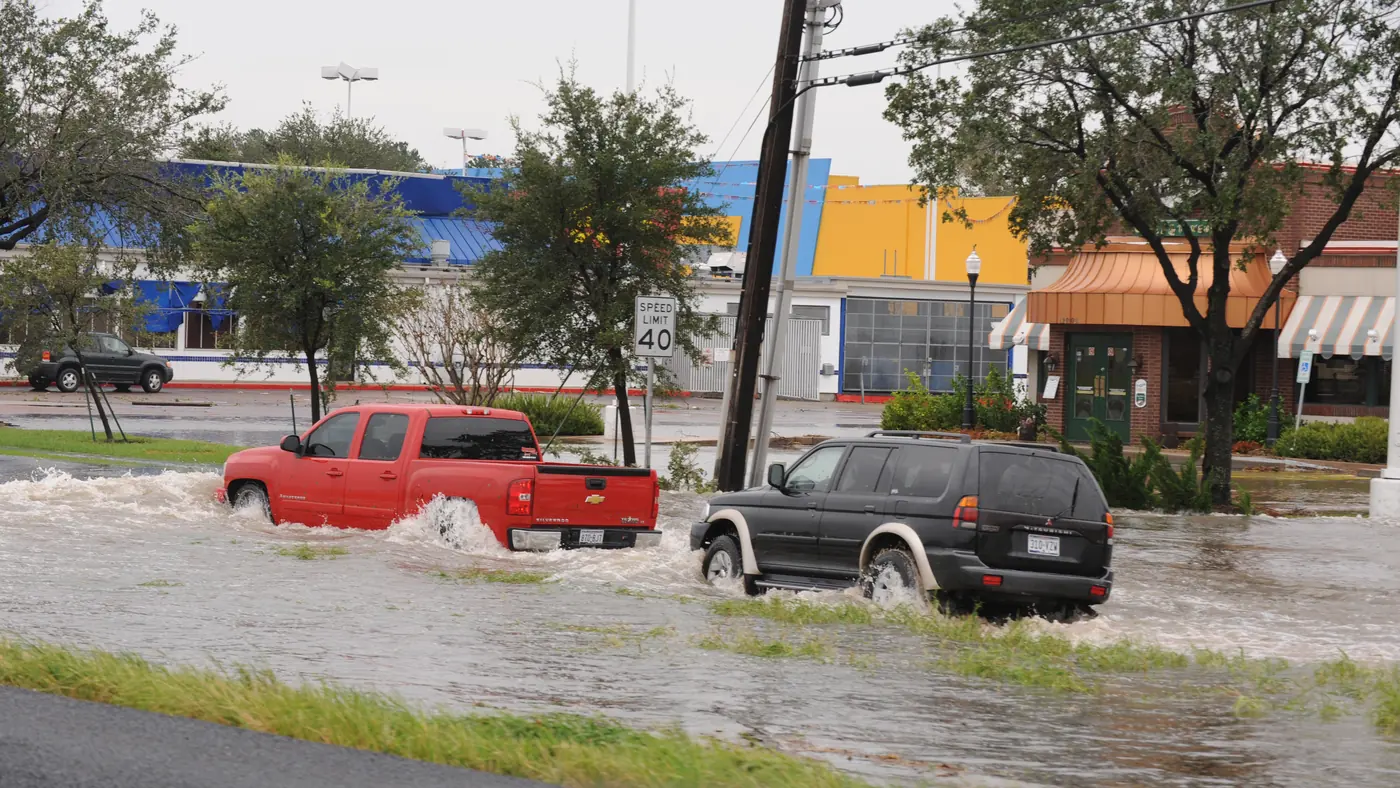
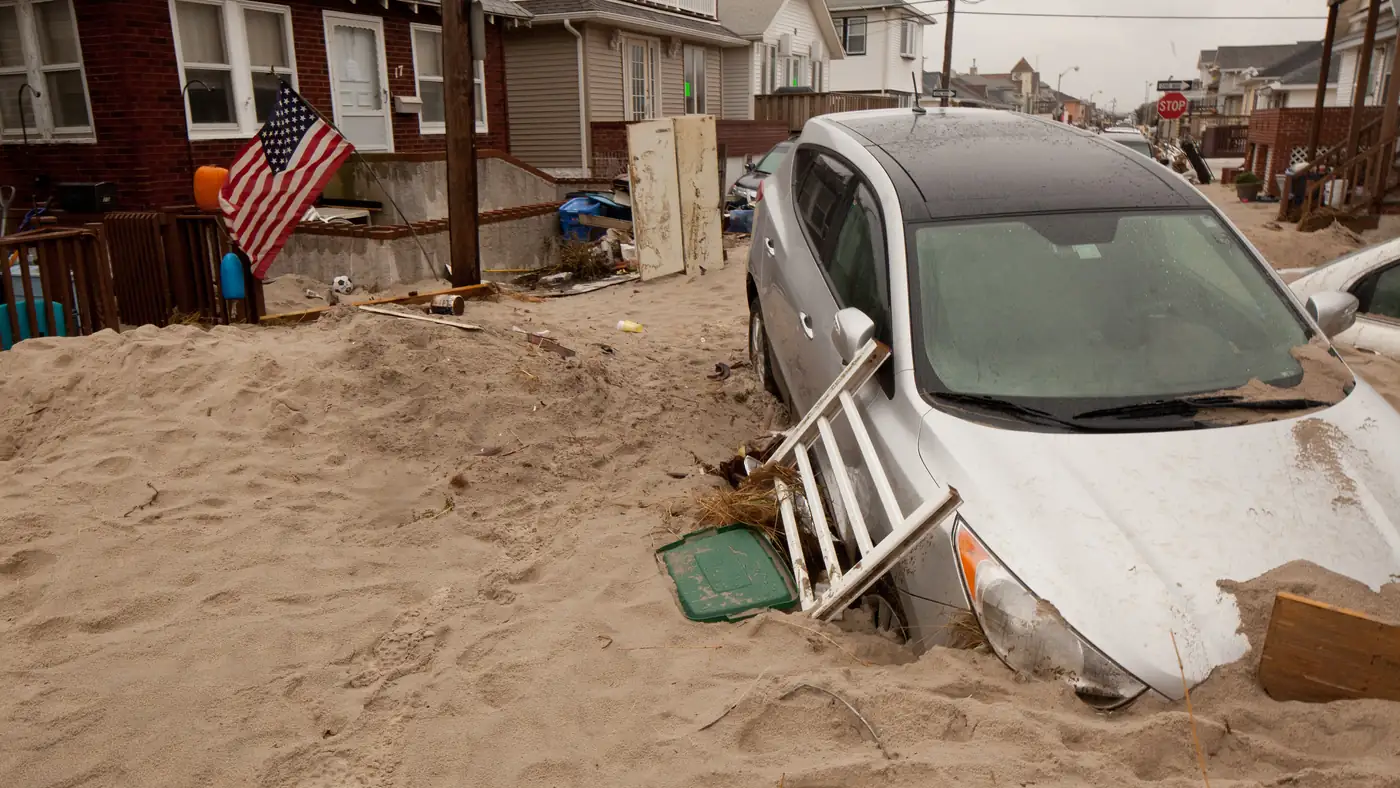
After every major hurricane, thousands of flooded vehicles are written off by insurers. Most go to salvage auctions; some are dried out, cleaned up and resold, sometimes far from the flood zone. A flooded car can look and drive fine at first. The damage is in the wiring, connectors, control modules and bearings, where corrosion builds slowly.
NHTSA warns buyers about exactly this:
“Flood damage can affect a vehicle’s mechanisms for years to come and may not always manifest as a problem right away.”National Highway Traffic Safety Administration, Hurricane- and Flood-Damaged Vehicles
Our analysis of NHTSA’s recall file shows how sensitive modern cars are to water, even in normal use. Since 1989, manufacturers have filed 134 safety recalls covering 10.8 million vehicles in which water or moisture getting into a part causes the defect: shorted circuits, failed rear cameras, stuck throttles and unexpected door releases. 41 of those campaigns mention a fire risk. A flood exposes those same parts to far more water than any of these recalls anticipated.
Step 1: check the records by VIN
Records catch most flood cars before you waste a trip, as long as the car was insured and properly titled. Ask the seller for the VIN and run these checks:
| Source | Cost | What it can show | Blind spot |
|---|---|---|---|
| NICB VINCheck | Free | Flood, salvage and theft records reported by participating insurers | Uninsured cars and non-participating insurers |
| NMVTIS report | Low cost | Title brands (flood, salvage, junk) from state titling agencies, insurers and salvage yards | Damage never reported or branded |
| Commercial history report | Paid | Title brands plus accident and auction records, depending on the provider | Events no source reported |
| PlainVIN decode | Free | Confirms year, model and engine; recalls and owner complaints for that model year | Doesn’t show this car’s history |
NMVTIS exists partly because of flood cars. The Justice Department’s own example: after Hurricane Katrina, flooded cars were taken from Louisiana to states that didn’t brand flood vehicles and resold. A national title database makes it much harder to “wash” a brand off a title in another state. Our guide to the free VIN check vs. a paid history report explains each source in detail.
Step 2: the physical signs of flood damage
A clean record isn’t proof: an uninsured flooded car may never appear in any database. NHTSA’s three tests are the place to start, and the rest of this list adds the spots cleaners miss:
- Sniff test. A musty, moldy smell is a strong sign. So is a heavy smell of air freshener or deodorizer, which may be covering mildew.
- Dirt and water lines. Look for mud, silt or a tide line in hidden places: under the carpet and floor mats, in the trunk under the spare tire, in the glove box, under the dashboard and seats, and inside the door panels.
- Rust and corrosion. Check under the car, on seat rails and seat-mounting bolts, and on screws under the dashboard. Rust there is unusual for a car’s age unless it has been under water.
- Seat belts. Pull each belt all the way out and look for staining, grit or a musty smell near the retractor end.
- Fogged lights. Moisture or a water line inside headlights and taillights is a common giveaway.
- New carpet or upholstery in an older car, especially if it doesn’t quite match, deserves a question.
- Engine bay. Silt in crevices, corroded terminals or a water line on the firewall.
Step 3: test the electronics and safety systems
Water does its worst damage to electrical systems. Before you buy:
- Watch the warning lights. With the key on and the engine off, every warning light should come on, then go out once the engine starts. An air bag or ABS light that stays on, or never lights, is a serious warning on any car and a red flag on a possible flood car.
- Test everything electric: windows, locks, seats, mirrors, lights, wipers, infotainment, cameras, heater and air conditioning. Intermittent faults are typical of corroded connectors.
- Scan for codes with an OBD-II reader, or ask the mechanic to. Communication errors between modules can point to water damage.
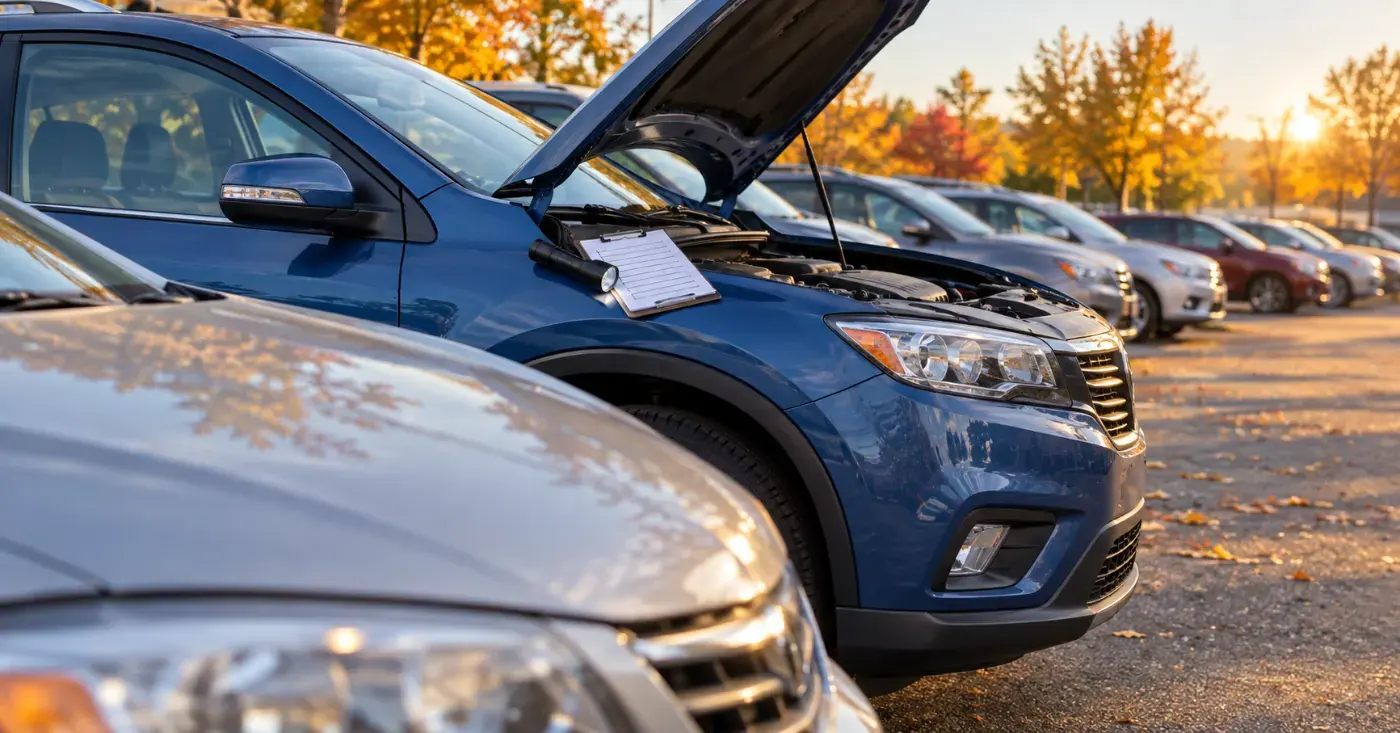
- Get a professional inspection. A mechanic can pull back carpet, check connectors and look for corrosion that you can’t see. Tell them you’re worried about flooding. Our used car inspection checklist covers the rest of the inspection.
Check open recalls too. A flood car may also have unrepaired recalls, and our data shows how common water-related recalls are. Run the VIN at nhtsa.gov/recalls.
Flood, salvage and rebuilt titles explained
When an insurer declares a flooded car a total loss, the title is branded. NHTSA explains the path: the vehicle gets a “salvage” or “flood” title and is usually sold at a salvage auction to junkyards or rebuilders. It can legally be sold to consumers again once it has been rebuilt, the damage is noted, and it has received a “rebuilt” title. The exact names and rules differ by state.
- Flood or water-damage brand: the title records that the car was damaged by water.
- Salvage: an insurer declared it a total loss; it usually can’t be registered for the road until it’s rebuilt and inspected.
- Rebuilt or reconstructed: repaired and passed a state inspection; legal to drive, but worth far less and harder to insure.
The danger is a flood car with a clean or “lost” title. NHTSA specifically warns buyers about those. A title from a state far from where the car was sold, a recent re-title, or a seller who can’t produce the title are reasons to slow down. Check that the VIN on the car matches the title; our guide shows where to find the VIN and how to spot tampering.
Flooded electric and hybrid vehicles
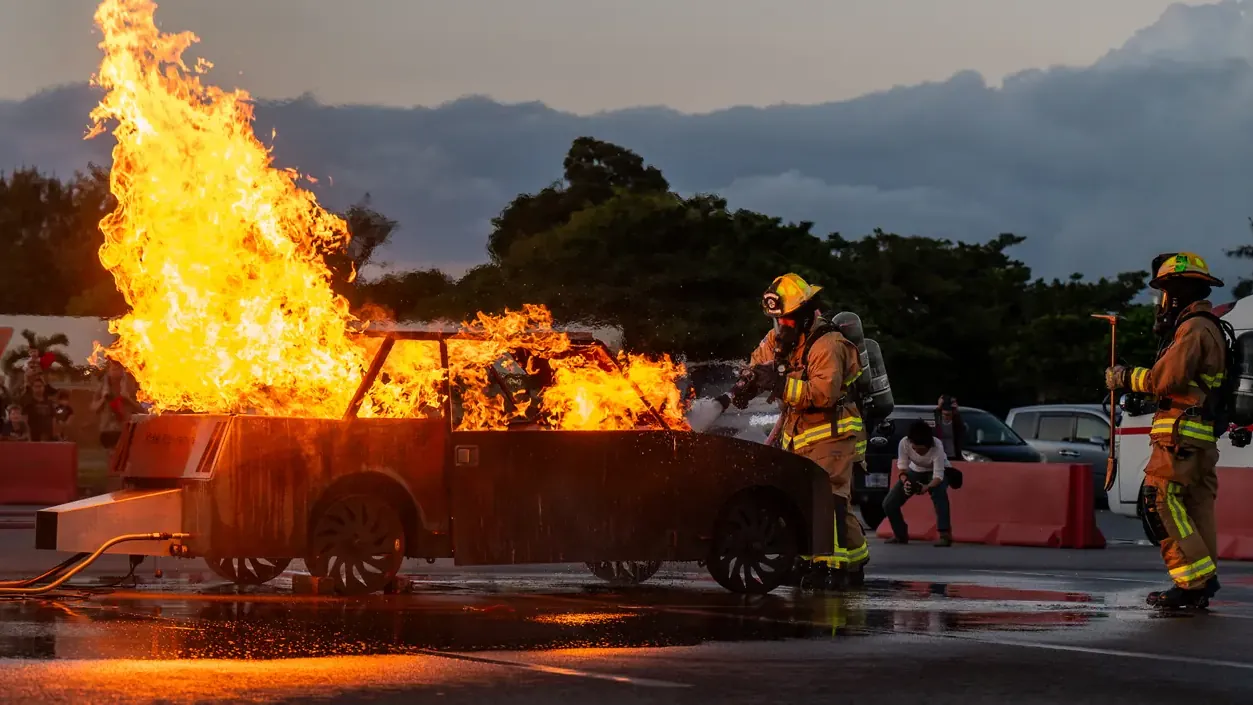
High-voltage batteries add a fire risk. NHTSA says the batteries in hybrid and electric vehicles are highly corrosive and should not be exposed to standing water, and that flooded vehicles may have high voltage and short circuits that can shock and cause fires. Its advice is not to park a damaged vehicle with a lithium-ion battery in a garage or within 50 feet of a house, another structure, another vehicle or anything combustible, and to contact the dealer if you suspect the battery was damaged. Our Park Outside recall guide covers the related recall warnings.
If your own car was flooded
- Don’t start it. Starting a flooded engine can pull in water and wreck it, and wet electrics can short.
- Contact your insurer first. Comprehensive coverage usually covers flood damage. Photograph the water line inside and out.
- If it’s totaled, make sure the title transfers to the insurer with the required odometer information, which protects future buyers, as NHTSA advises.
- If it’s repaired, keep every invoice, and expect to disclose the damage when you sell.
- Lost the title? Your state motor-vehicle agency can issue a duplicate.
This guide is general information. State title and disclosure rules vary; your state motor-vehicle agency and attorney general’s consumer office can confirm what applies.
Frequently asked questions
Will flood damage show up on a CARFAX or history report?
It will if the car was declared a total loss, branded with a flood or salvage title, or reported by a data source the provider uses. A flooded car that was uninsured or repaired privately may not appear at all, so inspect the car as well as checking the records.
How can I check a VIN for flood damage for free?
Use NICB’s free VINCheck, which shows flood, salvage and theft records reported by participating insurers. For title brands from state records, an NMVTIS report costs a few dollars from an approved provider.
What are the signs of a flood-damaged car?
A musty smell or heavy air freshener, mud or a water line under carpets, in the trunk or glove box, rust on seat rails and under-dash screws, stained seat belts, fogged lights, and electrical faults or warning lights that stay on.
Do dealers have to disclose flood damage?
Title brands such as flood or salvage must stay on the title under state law, and selling a car with known flood damage while hiding it can be fraud. Disclosure rules beyond the title vary by state, so ask in writing and check the title history yourself.
Can a car recover from flood damage?
Sometimes, if the water stayed below the floor and the car was dried quickly, but electrical corrosion can show up months later. Cars that were submerged above the dashboard are usually declared a total loss by insurers.
Is it safe to buy a car with a rebuilt flood title?
It can be legal and cheaper, but it carries more risk: hidden electrical problems, lower resale value and harder insurance. Get an independent inspection focused on wiring, connectors, air bag and brake systems before buying.
What should I do if my electric car was flooded?
Don’t charge or start it. NHTSA says to keep a flooded vehicle with a lithium-ion battery out of the garage and at least 50 feet from buildings, other vehicles and combustibles, and to contact your dealer.
About the PlainVIN Vehicle Data Desk
This desk covers the VIN decoder and VIN guides, factory specs from NHTSA vPIC, EPA fuel-economy data, EIA fuel prices and the import of every official dataset.
Every figure in this guide links to its primary source. See our editorial policy, how we use AI and corrections log.
How this page was madeSources, processing, limits, review and changes
Data sources
- Hurricane- and Flood-Damaged Vehicles
NHTSA, read Oct 8, 2026 - NMVTIS for consumers
U.S. Department of Justice, read Oct 7, 2026 - VINCheck
National Insurance Crime Bureau, read Oct 7, 2026 - NHTSA recalls flat file (water-intrusion defects)
Retrieved Oct 6, 2026 - Flood photos (public domain)
FEMA via Wikimedia Commons

Processing
- Complaints are counted per component. One complaint can list several, so component totals add up to more than the total.
- Fuel cost = miles per year ÷ EPA combined mpg × EIA weekly price for your region.
Limitations
- Complaint counts are owner reports, not verified findings or failure rates. There is no sales denominator.
- Recall campaigns are listed for the model year. Only NHTSA and the automaker know whether a specific car was repaired.
- Recent model years are still collecting reports.
Review
Written and checked against primary sources by the Vehicle Data desk.
Changelog
- 2026-10-06 Data refreshed from the official files.
Keep reading