Recalls (4)
NHTSA lists 4 recall campaigns for the 1986 Chrysler New Yorker. Check whether yours was repaired with NHTSA's free VIN lookup ↗
Only NHTSA and your automaker know whether your specific car was repaired. PlainVIN shows every recall campaign listed for a model year, with the official text and how many cars have been fixed so far.
Check on NHTSA ↗FUEL:FUEL SYSTEMS
- Summary
- FUEL LEAKAGE MAY OCCUR IN LOW AMBIENT TEMPERATURE OPERATION AT CONNECTIONS OF AN ENGINE COMPARTMENT FUEL SUPPLY HOSE TO THE PRESSURE REGULATOR AND TO THE FUEL RAIL.
- Consequence
- IN THE PRESENCE OF AN IGNITION SOURCE, FUEL LEAKAGE COULDRESULT IN A FIRE.
- Remedy
- RELOCATE PRESSURE REGULATOR; REPLACE FUEL SUPPLY WITH FORMED HOSE WITH REVISED ROUTING CONFIGURATION TO ENSURE SEALING INTEGRITY.
INTERIOR SYSTEMS:TRACKS AND ANCHORS:FRONT SEAT:POW
- Summary
- A SERVICE REPLACEMENT DRIVERS SEAT CUSHION (MANUAL SEAT TYPE) MAY CONTAIN WRONG CUSHION WITH A BRACE THAT COULD INTERFERE WITH POWER SEAT ADJUSTER MECHANISM AND CAUSE STRESS ON THE FRAME.
- Consequence
- SEAT FRAME COULD FRACTURE AND RESULT IN SIGNIFICANTREARWARD MOVEMENT OF THE SEAT BACK.
- Remedy
- REPLACE FRAME WITH PROPER POWER SEAT FRAME.
ELECTRICAL SYSTEM:BATTERY
- Summary
- BATTERY CAP VENTS MAY BE PARTIALLY OR COMPLETELY BLOCKED WITH PLASTIC FLASHING. CONSEQUENCE OF DEFECT: A BUILD UP OF INTERNAL GAS PRESSURE COULD OCCUR WHICH COULD RESULT IN CASE RUPTURE, PARTICULARLY DURING POST CHARGING. SHOULD A PERSON BE IN THE VICINITY OF THE BATTERY WHEN THE CASE RUPTURES, THEY MAY BE INJURED BY THE RELEASED GASES AND/OR ACID.
- Remedy
- REWORK BATTERIES BY PROBING BOTH VENT ORIFICES TO ELIMINATE ANY VENT OBSTRUCTION.
ELECTRICAL SYSTEM:INSTRUMENT PANEL:CLUSTER MODULE
- Summary
- A RESISTOR IN THE ELECTRONIC PANEL CLUSTER MAY BE SUBJECTED TO AN ELECTRICAL CURRENT OVERLOAD DUE TO FAILURE OF A SWITCHING TRANSISTOR. CONSEQUENCE OF DEFECT: THE OVERHEATED RESISTOR COULD IGNITE AND START AN INSTRUMENT PANEL FIRE.
- Remedy
- MODIFY INSTRUMENT PANEL CLUSTER BY REPLACING THE RESISTOR WITH A FUSED RESISTOR THAT WILL NOT IGNITE IF OVERLOADED.
PlainVIN shows public government records for education. It isn't a vehicle inspection or legal advice. Check your own VIN with NHTSA or your dealer.
Owner complaints (12)
12 complaints filed with NHTSA (owner reports, not verified findings). The electrical system is mentioned most often.
As reported by owners in their complaints. These are reports, not NHTSA findings.
Most-reported components
| Component | Complaints | % of 12 |
|---|---|---|
| Electrical system | 4 | 33.3% |
| Fuel system | 4 | 33.3% |
| Seats | 3 | 25% |
| Service brakes | 3 | 25% |
| Engine and engine cooling | 2 | 16.7% |
| Power train | 2 | 16.7% |
| Vehicle speed control | 2 | 16.7% |
| Visibility | 2 | 16.7% |
| Equipment | 1 | 8.3% |
| Seat belts | 1 | 8.3% |
How 1986 compares with other New Yorker years
Best and worst New Yorker years →| Model year | Complaints | Recall campaigns |
|---|---|---|
| 1981 | 2 | 2 |
| 1983 | 5 | 2 |
| 1984 | 2 | 0 |
| 1985 | 7 | 2 |
| 1986 | 12 | 4 |
| 1987 | 21 | 1 |
| 1988 | 29 | 0 |
| 1989 | 78 | 0 |
| 1990 | 92 | 3 |
| 1991 | 84 | 4 |
Counts are owner reports, not failure rates. Higher sales years tend to draw more reports. Owners are still filing reports for recent model years, so these counts will grow. Source: NHTSA ODI, retrieved Oct 6, 2026.
Fuel economy: up to 21 mpg combined
- EPA annual fuel cost
- $3,200
- CO₂ tailpipe
- 423 g/mi
- EPA class
- Midsize Cars
What it costs you to run
Miles ÷ 21 mpg × $4.354 (EIA US average regular, week of Oct 5, 2026, all taxes included). Source: EPA · EIA.
EPA label estimates from lab tests; your mileage will vary.
Specs by configuration
| Engine · transmission | Drive | City / Hwy / Comb | EPA $/yr | CO₂ g/mi |
|---|---|---|---|---|
| 2.5 L 4-cyl · 3-speed automatic | Front-Wheel Drive | 20 / 23 / 21 | $3,200 | 423 |
| 2.2 L 4-cyl · 3-speed automatic | Front-Wheel Drive | 18 / 22 / 19 | $4,350 | 468 |
Source: EPA fuel economy data, retrieved Oct 6, 2026. Configurations are listed when EPA and NHTSA records match.
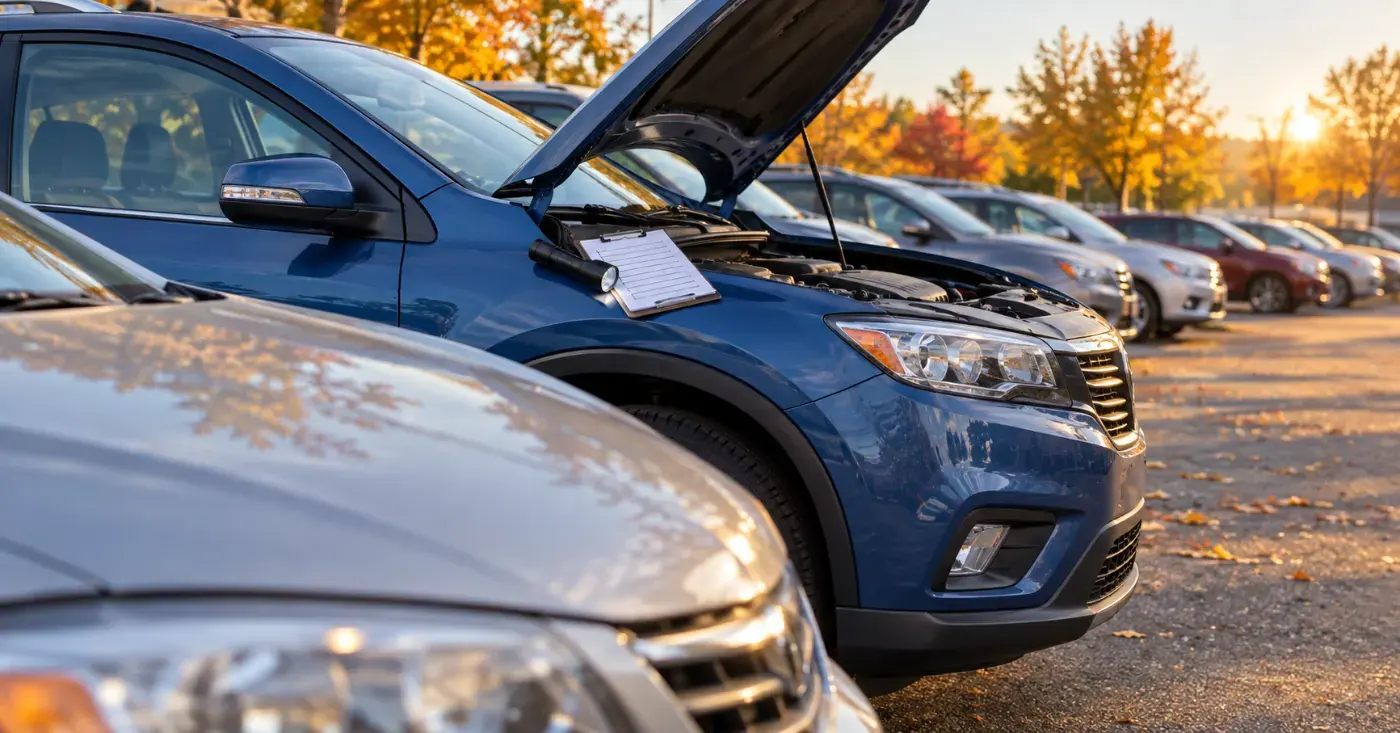
Looking at a 1986 New Yorker for sale?
Print a one-page buyer's checklist: each recall campaign with a box to tick when the seller shows proof of repair, the top complaint areas to inspect, crash stars, MPG, and a link back to this page.
Where to next
1986 Chrysler New Yorker FAQ
How many recalls does the 1986 Chrysler New Yorker have?
NHTSA lists 4 recall campaigns: 88V105000 (fuel system), 88V061000 (seat), 86V053000 (electrical), 86V028000 (electrical). Use NHTSA's VIN lookup to see whether a specific car was repaired.
What are the most common 1986 Chrysler New Yorker problems?
Owners filed 12 complaints with NHTSA. Electrical system (4), Fuel system (4), Seats (3) are mentioned most. These are owner reports, not verified findings.
What mpg does the 1986 Chrysler New Yorker get?
EPA rates the 2.5 L 4-cyl · 3-speed automatic version at 20 city, 23 highway and 21 combined mpg. Other configurations are listed in the fuel economy section.
How does the 1986 New Yorker compare with other years?
Among the 1981–1991 Chrysler New Yorker model years at least five years old, the 1981 drew the fewest complaints (2) and the 1990 the most (92). The 1986 drew 12. Counts are owner reports, not failure rates.
How this page was madeSources, processing, limits, review and changes
Data sources
- NHTSA recalls by vehicle
Retrieved Oct 6, 2026 - US DOT recall completion rates (data.transportation.gov)
Retrieved Oct 6, 2026 - NHTSA ODI owner complaints
Retrieved Oct 6, 2026 - NHTSA NCAP 5-Star Safety Ratings
Retrieved Oct 6, 2026 - EPA fuel economy data (licence confirmation pending)
Retrieved Oct 6, 2026 - EIA weekly retail gasoline prices
Weekly, all taxes included
Processing
- Complaints are counted per component. One complaint can list several, so component totals add up to more than the total.
- Fuel cost = miles per year ÷ EPA combined mpg × EIA weekly price for your region.
Limitations
- Complaint counts are owner reports, not verified findings or failure rates. There is no sales denominator.
- Recall campaigns are listed for the model year. Only NHTSA and the automaker know whether a specific car was repaired.
- Recent model years are still collecting reports.
Review
Data compiled automatically from the official files listed here.
Changelog
- 2026-10-06 Data refreshed from the official files.