Recalls (6)
NHTSA lists 6 recall campaigns for the 2000 Honda Odyssey. Check whether yours was repaired with NHTSA's free VIN lookup ↗
Only NHTSA and your automaker know whether your specific car was repaired. PlainVIN shows every recall campaign listed for a model year, with the official text and how many cars have been fixed so far.
Check on NHTSA ↗Air Bag Inflators May Rupture or Underinflate Bag
- Summary
- Honda (American Honda Motor Co.) is recalling certain 1998 Acura 2.2CL, 1998-1999 Acura 2.3CL, 1998-1999 Acura 3.0CL, 2001 Acura 3.2CL and Acura MDX, 1998-2000 Honda Accord Coupe, Accord Sedan, Civic Sedan, Odyssey and Acura 3.5RL, 1999-2000 Acura 3.2TL, 1996-2000 Civic Coupe, 1997-2000 CR-V, 1997-1998 EV Plus, and 1998-1999 Isuzu Oasis vehicles. These vehicles were equipped with Non-Azide Driver air bag Inflators (NADI) and do not contain phase stabilized ammonium nitrate (PSAN) propellant. Due to a manufacturing issue, the NADI inflators may absorb moisture, causing the inflators to rupture or the air bag cushion to underinflate.
- Consequence
- In the event of a crash necessitating air bag deployment, an inflator rupture may result in metal fragments striking the driver or other occupants. An underinflated air bag cushion may not properly protect the occupant. These scenarios increase the risk of serious injury or death.
- Remedy
- Honda will notify owners, and dealers will inspect the driver frontal air bag inflator, and replace it if necessary, with an inflator of a different design, free of charge. The recall began October 1, 2020. Owners may contact American Honda's Customer Support & Campaign Center at 1-888-234-2138 or Isuzu customer service at 1-800-255-6727.
Air Bag Inflators May Rupture or Underinflate Bag
- Summary
- Honda (American Honda Motor Co.) is recalling certain 2001-2002 Acura 3.2CL, 2000-2003 Acura 3.5RL, 2000-2001 Acura 3.2TL, Honda CR-V and Honda Odyssey, 2001-2002 Acura MDX and 2000 Accord Coupe, Accord Sedan, Civic Coupe, and Civic Sedan vehicles. These vehicles may have received a replacement driver frontal air bag module as part of a vehicle repair. Due to a manufacturing issue, the replacement NADI inflator may absorb moisture, causing the inflator to rupture or the air bag cushion to underinflate.
- Consequence
- In the event of a crash necessitating air bag deployment, an inflator rupture may result in metal fragments striking the driver or other occupants. An underinflated air bag cushion may not properly protect the occupant. These scenarios increase the risk of serious injury or death.
- Remedy
- Honda will notify owners, and dealers will inspect the air bags in the vehicles, replacing the driver frontal air bag inflator with an inflator of a different design, as necessary, free of charge. The recall began October 1, 2020. Owners may contact American Honda's Customer Support & Campaign Center at 1-888-234-2138.
HONDA/DIMMER CONTROL
- Summary
- VEHICLE DESCRIPTION: MINI VANS. THE DIMMER CONTROL FOR THE INSTRUMENT PANEL LIGHTS CAN FAIL.
- Consequence
- AT NIGHT, THE DRIVER WOULD NOT BE ABLE TO SEE INSTRUMENT PANEL GAUGES AND DISPLAYS.
- Remedy
- DEALERS WILL REPLACE THE MULTIPLEX UNIT.
HONDA/SLIDING DOOR LATCH
- Summary
- VEHICLE DESCRIPTION: MINIVAN. THE SLIDING DOORS MAY NOT LATCH PROPERLY.
- Consequence
- AN IMPROPERLY LATCHED DOOR COULD OPEN UNEXPECTEDLY WHILE THE VEHICLE IS IN MOTION. UNDER CERTAIN CIRCUMSTANCES, A DOOR COULD OPEN COMPLETELY. AN UNRESTRAINED REAR SEAT PASSENGER COULD FALL OUT OF AN OPEN DOOR OF A MOVING VEHICLE AND BE SERIOUSLY INJURED OR KILLED.
- Remedy
- DEALERS WILL REPLACE THE DOOR LATCH ASSEMBLY ON ALL ODYSSEY MINVANS BUILT FROM DECEMBER 3, 1999 THROUGH DECEMBER 16, 1999. ALSO INCLUDED IN THIS RECALL ARE APPROXIMATELY 1,612 ODYSSEY MINIVANS THAT HAD THE LATCHES REPLACED UNDER RECALL 99V-158 OR UNDER WARRANTY, THAT MAY NEED TO HAVE THE LATCHES REPLACED AGAIN. OWNERS OF THESE VEHICLES WILL BE NOTIFIED BY HONDA TO BRING THE VEHICLE TO THEIR HONDA DEALER FOR INSPECTION OF THE PREVIOUSLY REPLACED LATCH ASSEMBLY. LATCHES WITH THE SUSPECT DATE CODE WILL BE REPLACED.
HONDA/WIRE HARNESS
- Summary
- VEHICLE DESCRIPTION: MINI VANS. A WIRE HARNESS, LOCATED WITHIN THE ENGINE COMPARTMENT, COULD BE DAMAGED BY CONTACT WITH A METAL PIPE, POSSIBLY RESULTING IN A BLOWN FUSE.
- Consequence
- IF A FUSE BLOWS, ENGINE POWER, OR OPERATION OF ANY OR ALL ELECTRICAL COMPONENTS, CAN BE LOST, INCLUDING LIGHTS, WINDSHIELD WIPERS, HORN, AND THE ANTI-LOCK FUNCTION OF THE BRAKES. A SUDDEN LOSS OF POWER OR LIGHTING, OR A FAILURE OF THE WINDSHIELD WIPERS OR ANTI-LOCK BRAKE FEATURE IN BAD WEATHER, COULD RESULT.
- Remedy
- DEALERS WILL INSTALL A PROTECTIVE COVERING OVER THE WIRE HARNESS AND METAL PIPE TO PREVENT THIS PROBLEM. IF ANY WIRES ARE DAMAGED, THE DEALER WILL MAKE THE NECESSARY REPAIRS, AND THEN INSTALL THE PROTECTIVE COVERING.
HONDA/FRAME WELDS
- Summary
- VEHICLE DESCRIPTION: MINIVANS. THE FRONT BODY/FRAME IS MISSING SPOT WELDS.
- Consequence
- THE MISSING WELDS MIGHT AFFECT THE OCCUPANT PROTECTION PERFORMANCE IN A COLLISION.
- Remedy
- DEALERS INSPECTED ALL THE VEHICLES AND THEY WERE FOUND TO BE PROPERLY WELDED.
PlainVIN shows public government records for education. It isn't a vehicle inspection or legal advice. Check your own VIN with NHTSA or your dealer.
Owner complaints (675)
675 complaints filed with NHTSA (owner reports, not verified findings). The power train is mentioned most often.
As reported by owners in their complaints. These are reports, not NHTSA findings.
Most-reported components
| Component | Complaints | % of 675 |
|---|---|---|
| Power train | 228 | 33.8% |
| Structure | 119 | 17.6% |
| Latches/locks/linkages | 105 | 15.6% |
| Suspension | 42 | 6.2% |
| Electrical system | 38 | 5.6% |
| Engine and engine cooling | 29 | 4.3% |
| Air bags | 24 | 3.6% |
| Service brakes | 23 | 3.4% |
| Vehicle speed control | 20 | 3% |
| Unknown or other | 18 | 2.7% |
How 2000 compares with other Odyssey years
Best and worst Odyssey years →| Model year | Complaints | Recall campaigns |
|---|---|---|
| 1996 | 70 | 0 |
| 1997 | 20 | 2 |
| 1998 | 73 | 3 |
| 1999 | 518 | 9 |
| 2000 | 675 | 6 |
| 2001 | 619 | 1 |
| 2002 | 960 | 10 |
| 2003 | 914 | 15 |
| 2004 | 585 | 13 |
| 2005 | 830 | 8 |
Counts are owner reports, not failure rates. Higher sales years tend to draw more reports. Owners are still filing reports for recent model years, so these counts will grow. Source: NHTSA ODI, retrieved Oct 6, 2026.
Fuel economy: up to 19 mpg combined
- EPA annual fuel cost
- $3,550
- CO₂ tailpipe
- 468 g/mi
- EPA class
- Minivan -
What it costs you to run
Miles ÷ 19 mpg × $4.354 (EIA US average regular, week of Oct 5, 2026, all taxes included). Source: EPA · EIA.
EPA label estimates from lab tests; your mileage will vary.
Specs by configuration
| Engine · transmission | Drive | City / Hwy / Comb | EPA $/yr | CO₂ g/mi |
|---|---|---|---|---|
| 3.5 L 6-cyl · 4-speed automatic | Front-Wheel Drive | 16 / 23 / 19 | $3,550 | 468 |
Source: EPA fuel economy data, retrieved Oct 6, 2026. Configurations are listed when EPA and NHTSA records match.
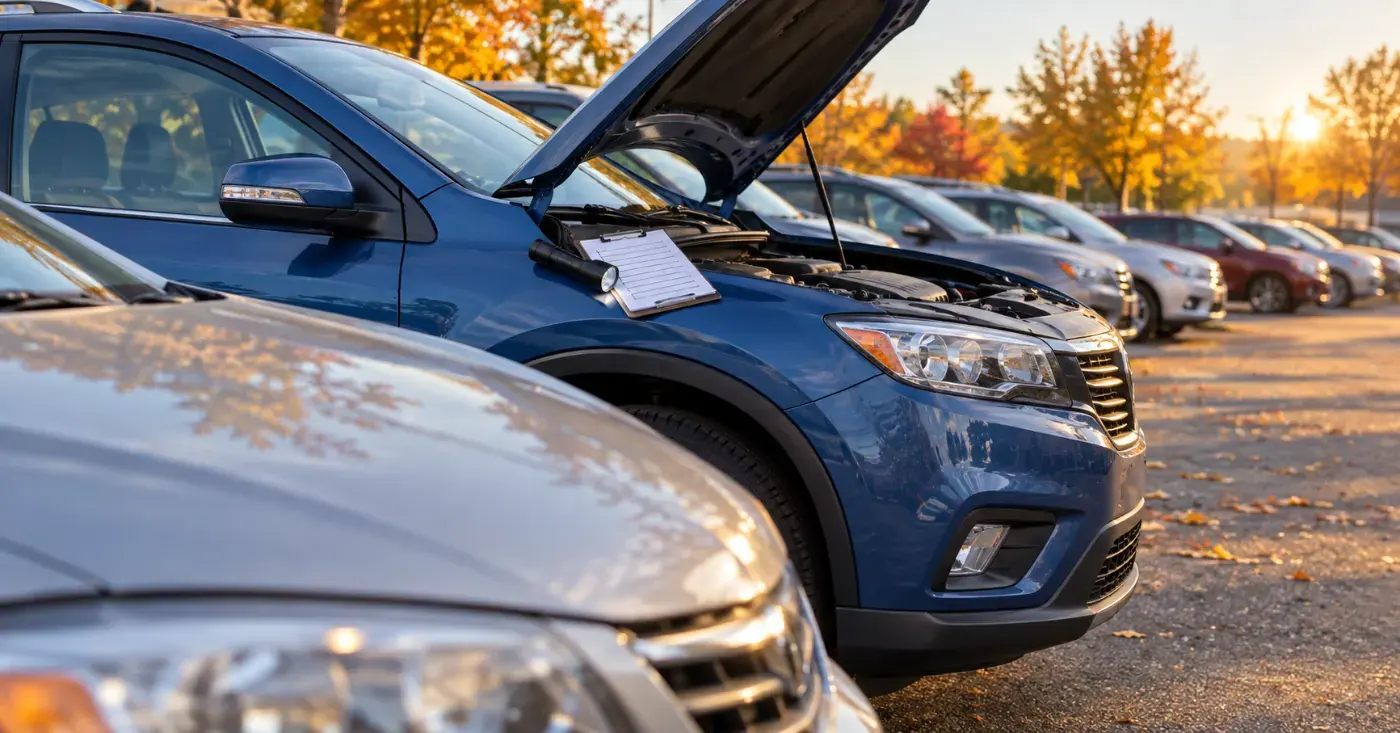
Looking at a 2000 Odyssey for sale?
Print a one-page buyer's checklist: each recall campaign with a box to tick when the seller shows proof of repair, the top complaint areas to inspect, crash stars, MPG, and a link back to this page.
Where to next
2000 Honda Odyssey FAQ
How many recalls does the 2000 Honda Odyssey have?
NHTSA lists 6 recall campaigns: 20V026000 (air bag), 20V027000 (air bag), 00V183000 (lighting), 00V119000 (latch), 00V030000 (electrical), 99V339000 (structure). Use NHTSA's VIN lookup to see whether a specific car was repaired.
What are the most common 2000 Honda Odyssey problems?
Owners filed 675 complaints with NHTSA. Power train (228), Structure (119), Latches/locks/linkages (105) are mentioned most. These are owner reports, not verified findings.
What mpg does the 2000 Honda Odyssey get?
EPA rates the 3.5 L 6-cyl · 4-speed automatic version at 16 city, 23 highway and 19 combined mpg.
How does the 2000 Odyssey compare with other years?
Among the 1996–2005 Honda Odyssey model years at least five years old, the 1997 drew the fewest complaints (20) and the 2002 the most (960). The 2000 drew 675. Counts are owner reports, not failure rates.
How this page was madeSources, processing, limits, review and changes
Data sources
- NHTSA recalls by vehicle
Retrieved Oct 6, 2026 - US DOT recall completion rates (data.transportation.gov)
Retrieved Oct 6, 2026 - NHTSA ODI owner complaints
Retrieved Oct 6, 2026 - NHTSA NCAP 5-Star Safety Ratings
Retrieved Oct 6, 2026 - EPA fuel economy data (licence confirmation pending)
Retrieved Oct 6, 2026 - EIA weekly retail gasoline prices
Weekly, all taxes included
Processing
- Complaints are counted per component. One complaint can list several, so component totals add up to more than the total.
- Fuel cost = miles per year ÷ EPA combined mpg × EIA weekly price for your region.
Limitations
- Complaint counts are owner reports, not verified findings or failure rates. There is no sales denominator.
- Recall campaigns are listed for the model year. Only NHTSA and the automaker know whether a specific car was repaired.
- Recent model years are still collecting reports.
Review
Data compiled automatically from the official files listed here.
Changelog
- 2026-10-06 Data refreshed from the official files.